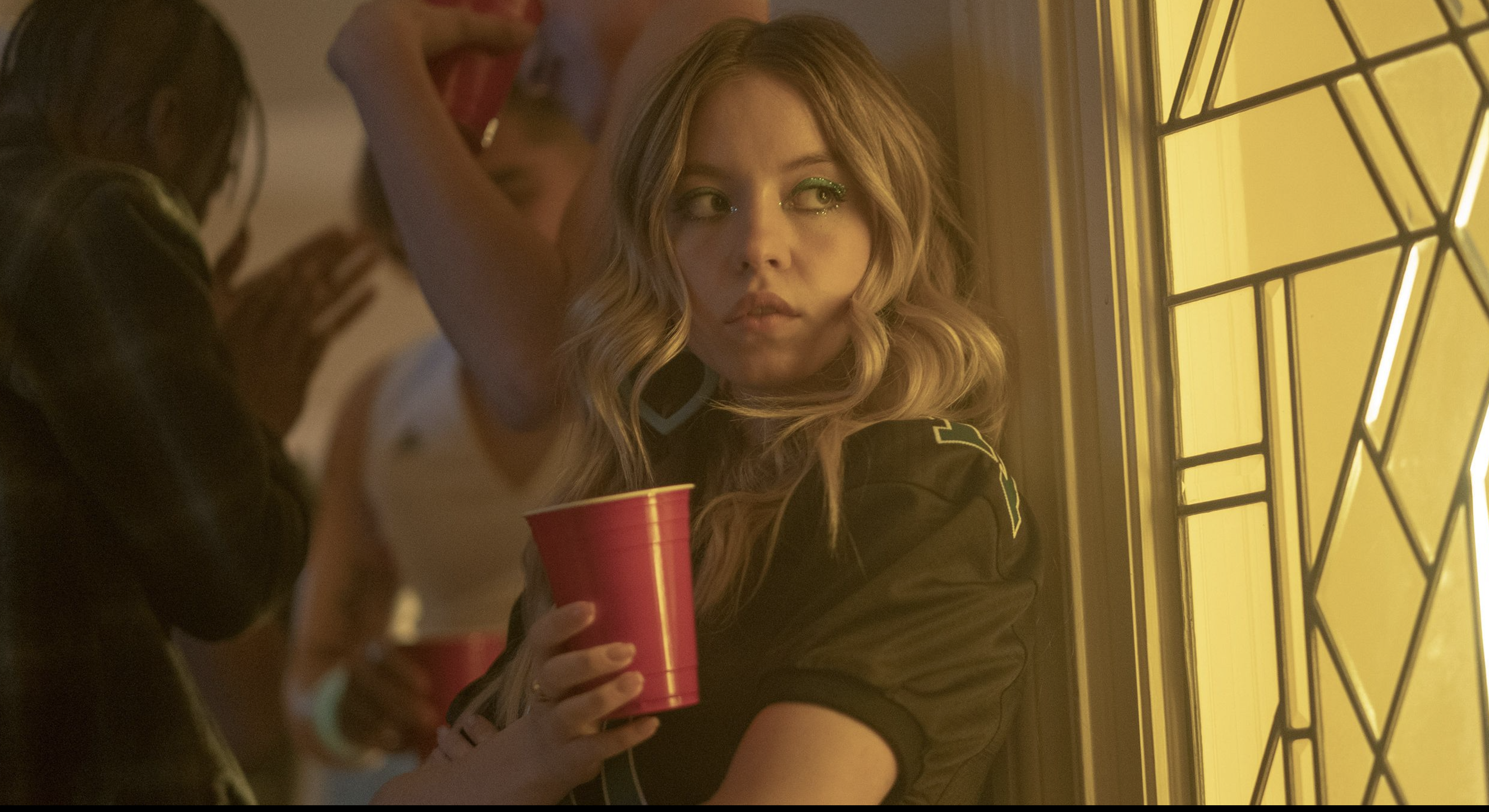
Anime has a devoted global fanbase that knows exactly what makes each series special. Hollywood has a long history of finding out the hard way. These are the adaptations that should have stayed on the drawing board.
Terra Formars takes the premise of genetically enhanced cockroaches terrorizing Mars colonists and somehow makes it boring. The film strips away the manga's grotesque body horror and strategic battles, leaving behind awkward fight scenes where actors in rubber suits flail at each other unconvincingly. Director Takashi Miike has handled stranger material before, but here he seems genuinely unsure whether he's making a serious sci-fi thriller or campy B-movie nonsense. The result splits the difference and fails at both. | © Warner Bros. Pictures
Paradise Kiss turns a beloved manga about fashion school rebels into something that feels like it was made by people who had never seen teenagers interact with each other. The film strips away the original's sharp edge about creative ambition and social pressure, replacing it with awkward romance scenes that land with zero chemistry. Every attempt at capturing the manga's stylish aesthetic results in costumes that look more like Halloween outfits than cutting-edge fashion design. The whole production feels like someone described the source material over a bad phone connection. | © Warner Bros. Japan
Priest takes a Korean manhwa about vampire hunters in a dystopian world and strips away most of what made the source material interesting. Paul Bettany leads a cast through action sequences that feel borrowed from better movies, while the world-building collapses under its own gothic pretensions. The film commits to a tone so aggressively serious that it forgets to give audiences any reason to care about the stakes. What should have been a dark fantasy epic instead feels like a vampire movie made by people who were embarrassed to be making a vampire movie. | © Sony Pictures
Black Butler takes the gothic mansion setting and demon-butler premise from the manga, then strips away almost everything that made those elements work. The film turns Sebastian's supernatural elegance into stiff costume drama posing, while the dark Victorian atmosphere gets replaced by bright, sanitized production design that looks more like a period romance than a supernatural thriller. Worst of all, the gender-swapped protagonist loses the original Ciel's sharp edge and becomes a generic revenge-seeking heroine who never commands the screen the way a young earl making deals with demons should. The result feels like someone described the source material over the phone to people who had never seen it. | © Warner Bros. Pictures
Parasyte had one of the most viscerally disturbing concepts in anime, with alien creatures that burrow into human heads and transform their hosts into shape-shifting predators. The live-action version keeps the body horror but strips away the psychological complexity that made the original so unsettling. Instead of exploring what it means to be human when something inhuman shares your body, the film rushes through monster fights and generic teen drama. The parasites end up looking like expensive rubber puppets rather than genuinely alien threats. | © Toho
Lupin the Third should have been perfect material for live-action treatment, given how the gentleman thief's adventures already felt cinematic and grounded compared to most anime properties. The 2014 film manages to drain all the charm and wit from its source material, turning Lupin's signature blend of heist thrills and comedic timing into something that feels strangely lifeless. Director Ryuhei Kitamura brings technical competence but misses the playful energy that makes the character work, delivering action sequences that look fine but never capture the cat-and-mouse cleverness audiences expect. The result feels like watching someone methodically check boxes rather than understanding what made people fall in love with these characters in the first place. | © Toho
The post-apocalyptic wasteland deserved better than cheap sets that looked like a community theater production of Mad Max. Fist of the North Star takes one of anime's most brutal and stylized action series and strips away everything that made the violence feel mythic, leaving behind awkward fight choreography and costumes that barely pass for cosplay. Gary Daniels tries his best as Kenshiro, but no amount of martial arts training can save dialogue this wooden or special effects this laughably outdated. The whole thing feels like someone described the anime to filmmakers who had never actually seen it. | © First Look Pictures
Kite takes the brutal revenge story of a teenage assassin and strips away everything that made the original anime compelling. The action sequences feel lifeless despite the violence, and India Eisley's performance never convinces you she could intimidate anyone, let alone function as a deadly killer. Samuel L. Jackson shows up as her handler, but even his presence can't salvage a script that turns psychological complexity into generic thriller beats. The whole production feels like it was made by people who saw the anime's poster but never actually watched it. | © Lionsgate
Gantz arrived with all the wrong priorities, spending its energy on elaborate alien costume design while forgetting to make anyone care about the people wearing regular clothes. The film takes Hiroya Oku's violent manga about death, resurrection, and moral ambiguity, then strips away most of the philosophical weight that made those elements matter. What remains feels like an expensive tech demo wrapped around hollow action sequences. The CGI aliens look impressive until you realize they are the only thing the movie seems to understand about its source material. | © Nikkatsu
Knights of the Zodiac had one job: bring the cosmic battles and bronze armor of Saint Seiya to live action without looking ridiculous. The result feels like a fan film with a real budget, where the special effects somehow make everything look cheaper, and the fight choreography turns legendary warriors into people awkwardly posing in shiny costumes. Sean Bean shows up as a mentor figure, which should feel important, but even his presence can't elevate material that treats its own mythology like an afterthought. When your cosmic-powered teenage heroes feel less convincing than a Saturday morning cartoon, something has gone very wrong. | © Sony Pictures

Bleach promised to bring Soul Reapers and Hollows to life with real actors, but the result feels like watching people in Halloween costumes fight CGI monsters in someone's backyard. The film compresses years of manga storytelling into 108 minutes, turning complex character relationships into rushed exposition dumps that barely make sense to newcomers. Even the sword fights look awkward, with actors clearly struggling against invisible enemies that will be added later. What should have been a supernatural spectacle becomes an exercise in watching talented performers work around a budget that couldn't support the ambition. | © Warner Bros. Japan
Dragonball Evolution has become shorthand for how badly an anime adaptation can go wrong. Released in 2009 and based on Dragon Ball by Akira Toriyama, the film was widely criticized for stripping away the heart and depth of the original story. Fans took issue with its oversimplified plot, mishandled characters, and a tone that barely resembled the source material they loved. The story centers on Son Goku, played by Justin Chatwin, as he races against the clock to gather the seven Dragon Balls before King Piccolo can use them for his own destructive ambitions. | © 20th Century Fox
Netflix tried to relocate Death Note's psychological cat-and-mouse game from Japan to Seattle, but something essential got lost in translation. The supernatural notebook that kills anyone whose name gets written inside becomes just another horror movie prop, while Light Turner transforms from calculating genius into an angsty teenager who screams and panics at every turn. Willem Dafoe voices the death god Ryuk with gravelly menace, yet even his presence can't salvage a script that mistakes loud music and gore for the original's quiet intensity. The adaptation feels like someone described the anime to filmmakers who never actually watched it. | © Netflix
JoJo's Bizarre Adventure: Diamond is Unbreakable commits completely to the source material's absurd visual language, which creates a fascinating disaster. The actors deliver every line with soap opera intensity while wearing meticulously crafted wigs that look like they escaped from a cosplay convention. Director Takashi Miike throws practical effects, surreal imagery, and theatrical performances into scenes that feel more like expensive fan films than actual cinema. The dedication to being weird doesn't make it good, but it does make it memorable in all the wrong ways. | © Warner Bros. Japan
The Fullmetal Alchemist live-action movie takes one of anime's most beloved stories and somehow makes alchemy look like a middle school science fair project. Every emotional beat that worked in the original gets flattened by rushed pacing and effects that make the homunculi look like rejected Power Rangers villains. The film crams multiple story arcs into two hours, turning Edward and Alphonse's complex journey into a highlight reel that misses what made people care in the first place. Warner Bros. got the rights to adapt a masterpiece and delivered something that feels like it was made by people who skimmed a wiki summary. | © Warner Bros. Pictures

Anime has a devoted global fanbase that knows exactly what makes each series special. Hollywood has a long history of finding out the hard way. These are the adaptations that should have stayed on the drawing board.