





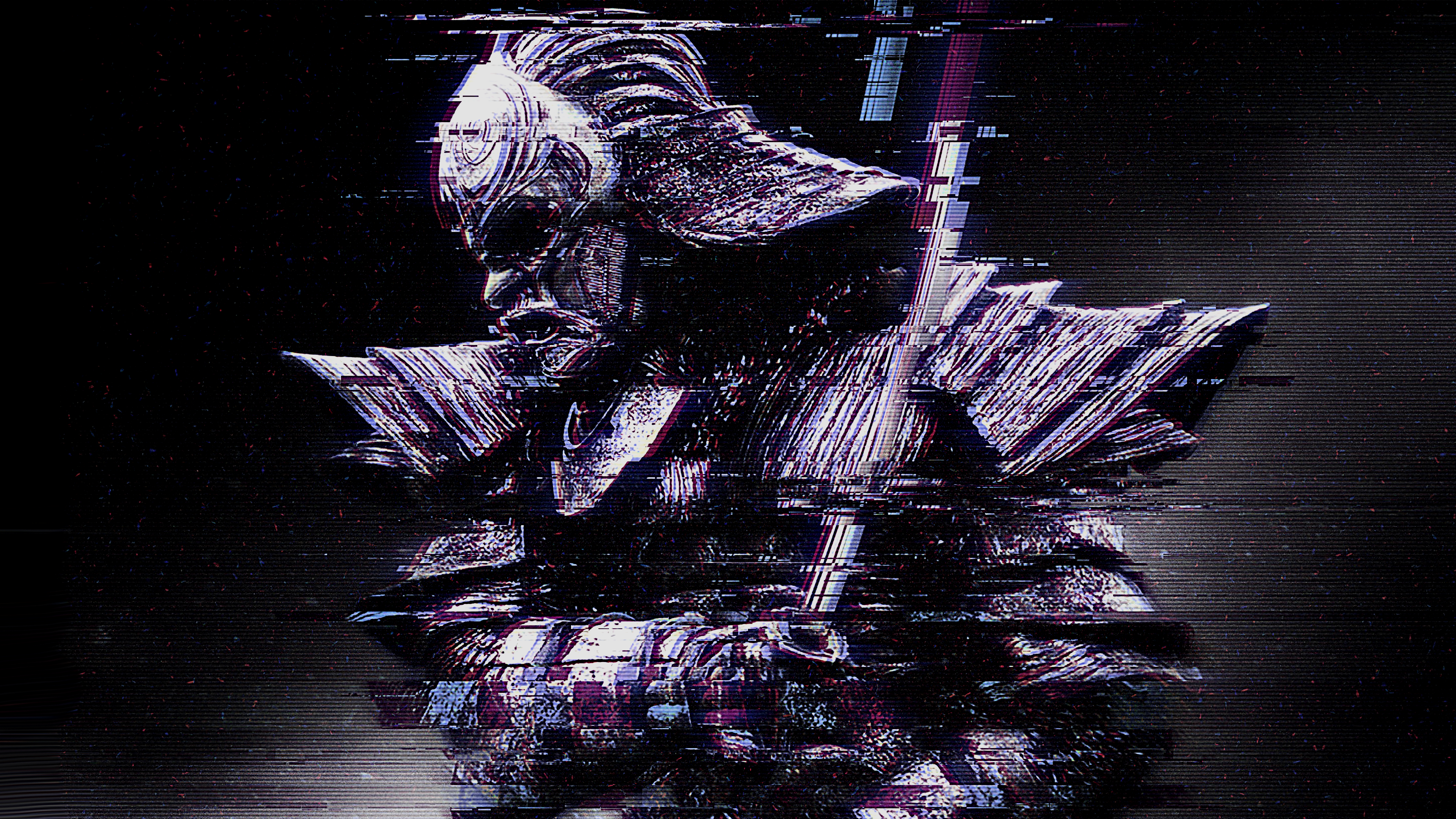





The scariest threats are often the ones you can't quite see. By keeping the killer in shadow, offscreen, or just out of frame, these films let your imagination do the terrifying work. Here are 15 horror movies where the killer is rarely seen.
Fear of the unseen.
Friday the 13th spends most of its runtime hiding the one detail every slasher fan assumes they already know. Those early kills unfold through the killer's own eyes via heavy breathing and shaky, faceless POV shots. The trick works because it turns the film into an actual whodunit instead of a straightforward slasher. By the time Pamela Voorhees finally steps into frame, the reveal lands harder than anyone expects from a summer camp horror feature. | © Paramount Pictures
Robert Wise built The Haunting around doors that bulge inward and noises with no clear source. There is no ghost caught on camera, no monster in the basement, and nothing visual to pinpoint. Instead, the house targets Eleanor specifically, pressing on her loneliness until she begins to unravel. The scares stem entirely from masterful sound design and unsettling camera angles rather than special effects. | © Metro-Goldwyn-Mayer
Steven Spielberg famously navigated a broken mechanical shark while filming Jaws, and that production malfunction ultimately elevated the entire cinematic experience. John Williams' two-note theme delivers more dread than any visible monster, warning the audience that danger is near long before the creature appears. Spielberg keeps the camera at water level, cutting to tense POV shots that conceal the shark until the final act, ensuring the audience fears the unseen predator. | © Universal Pictures
10 Cloverfield Lane traps the audience in a bunker with a man who might be a lunatic or the sole reason for survival. John Goodman plays Howard with an unsettling calm that never fully tips toward villain or savior. The real threat outside remains a total mystery for almost the entire runtime, generating a psychological anxiety far more potent than a standard monster reveal. By the time the door finally opens, the film has already established total claustrophobic dread. | © Paramount Pictures
Under the Skin subverts traditional slasher conventions to present a deeply cold-blooded threat. Scarlett Johansson plays an alien wearing a human woman like a costume, luring men into a black void where their bodies simply dissolve. The narrative avoids chases or monster reveals, relying on quiet seduction followed by unspeakable events off-camera to showcase a predator operating entirely outside human logic. | © A24
A static camera in the corner of a bedroom proved more terrifying than any massive monster budget. Paranormal Activity never shows its demon doing anything except moving a door a few inches or dragging Katie across the floor during her sleep. The threat lives entirely within the footage left unwatched in real time, causing theater audiences to recoil at empty hallways as Micah's constant provocations accelerate the slow creep toward the finale. | © Paramount Pictures
Nicole Kidman spends most of The Others convinced her house is haunted by intruders she can barely glimpse. The real horror stems from the slow, devastating realization of who is actually stuck in that house. Alejandro Amenábar builds dread through fog, locked doors, and children who cannot endure light, bypassing standard jump scares to deliver a twist ending that recontextualizes the entire experience on a second viewing. | © Miramax
Lake Mungo skips standard jump scares entirely while leaving audiences thoroughly rattled for days. The film adopts the form of a documentary about a drowned teenager, utilizing family interviews that carry an authentic, tragic realism. What actually appears on camera remains blurry and distant, captured in home video footage that refuses to offer clean answers, anchoring the film as a permanent fixture in horror discussions. | © Vitagraph Films
Three film students walk into the woods, and only their footage walks back out. The Blair Witch Project constructed an entire mythology out of shaky camcorders, panicked whispering, and stick figures hanging from trees without ever offering a clean look at the entity. The raw, low-budget style sold the illusion perfectly, accumulating exhaustion and dread to ensure that simple stick-figure symbol remains deeply uneasy decades later. | © Artisan Entertainment
Bird Box turns its monster into an abstraction the audience never studies, because a single glance guarantees self-destruction. Sandra Bullock navigates rivers and forests completely blindfolded, turning every outdoor sequence into a tense, held breath. The film relies heavily on sound design and panicked reactions rather than visual reveals, letting the viewer's imagination construct a genuinely unsettling threat. | © Netflix
It Follows swaps a traditional killer for a shape-shifting curse that walks toward its target at a steady, unyielding pace. The entity takes the form of a stranger, a family member, or a personal memory, making the threat impossible to isolate in a crowd. David Robert Mitchell shoots suburban Detroit as an already haunted landscape of wide, empty streets, generating intense dread as viewers continuously scan the background for movement. | © RADiUS-TWC
A Quiet Place turns silence into the actual mechanism of suspense rather than a mere stylistic choice. The creatures hunt by sound alone, transforming a dropped nail or a crying baby into a terrifying catalyst for disaster. John Krasinski keeps the monsters mostly out of frame, letting a family's whispers and sign language carry the tension to ground the creature feature in the real pressures of protective parenting. | © Paramount Pictures
It Comes at Night positions itself alongside classic monster movies before quietly refusing to show a physical creature at all. The real threat emerges from the sickness spreading outside an isolated house and the toxic paranoia consuming the people locked within it. Red doors, strict timetables, and broken trust dismantle the household from the inside, shifting the narrative focus to family, fear, and how fast decent human beings turn on each other. | © A24
When a grieving mother and her troubled son discover a mysterious pop-up book, its pages predict a dark presence targeting their home. The entity in The Babadook rarely appears on screen, lurking as a shadow or a distorted shape at the edge of a doorway. The monster endures because it functions as a brilliant manifestation of grief and depression, making it clear that even when locked away, the trauma remains. | © IFC Films
Grief drives the psychological tension in The Night House before a malevolent presence surfaces. Rebecca Hall plays a widow piecing together her late husband's secret life, keeping the audience guessing whether the threat is supernatural or her own unraveling mind. Whatever stalks her stays bound to architectural blueprints, mirrors, and negative space, ensuring the climax lands as a profound emotional blow. | © Searchlight Pictures
The scariest threats are often the ones you can't quite see. By keeping the killer in shadow, offscreen, or just out of frame, these films let your imagination do the terrifying work. Here are 15 horror movies where the killer is rarely seen.