















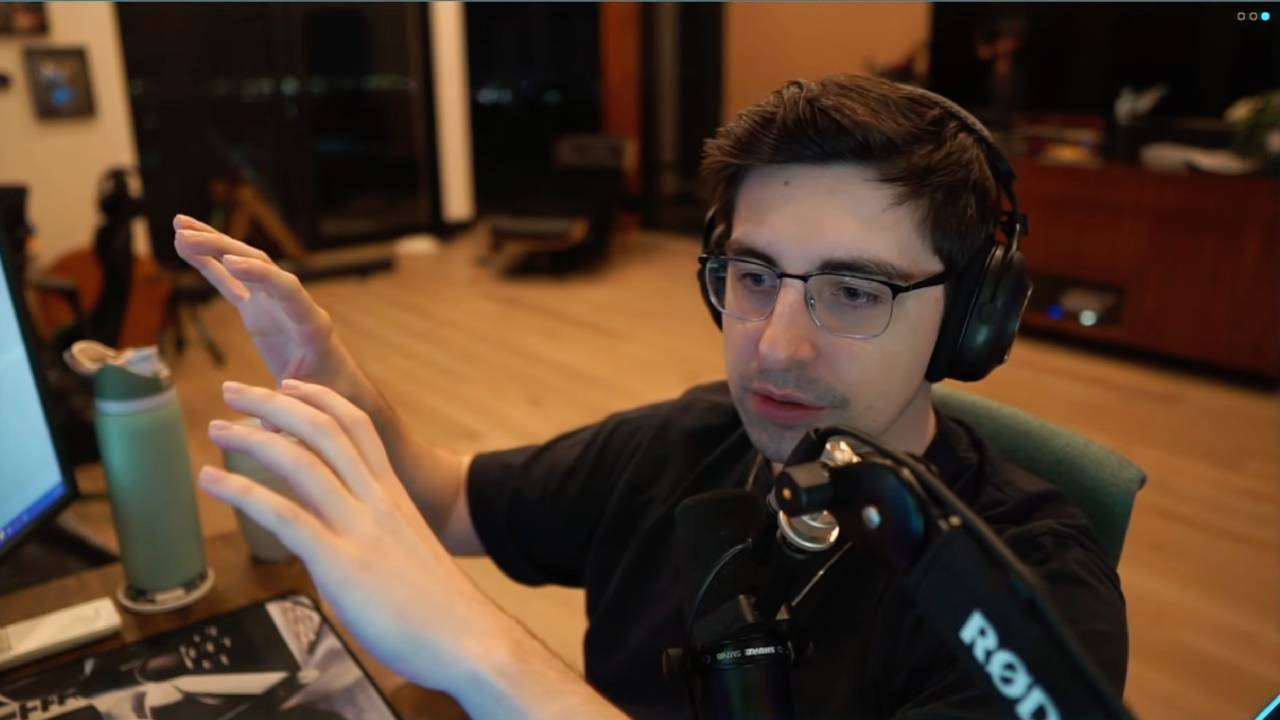
Then vs. now: streaming is no longer what it used to be. OG streamer Shroud is now speaking his mind openly.
For many streamers in the early days, it was never about becoming famous. Going live was driven by pure passion, by the desire to play games with others, connect with like minded people, or simply be part of a shared community. The idea of reach, money, or recognition usually played little to no role. Today, that picture looks very different. Many people start streaming with the clear goal of building a career, gaining visibility, and eventually making a living from it. But achieving that has become harder than ever.
A Massive Shift In The Scene
If anyone can properly judge this evolution, it is Michael Grzesiek, better known as Shroud. The former professional Counter Strike player has been one of the most recognizable faces on Twitch for years and has experienced the platform both in its early, smaller days and in its current massive form.
In one of his recent streams, he reflects on a time when Twitch was still manageable in size. In many game categories there were only a few streamers, sometimes just a handful. Going live back then gave creators a much higher chance of being discovered simply because competition was low.
Today, the opposite is true. Streaming has become a global mass phenomenon. Thousands of creators broadcast simultaneously, often in the same categories. Visibility is no longer automatic, it has to be actively earned.
Visibility Is No Longer Built On Streaming Alone
According to Shroud, simply going live is no longer enough. Anyone wanting to succeed today has to do more than stream. Platforms like YouTube and TikTok now play a major role in building reach and attracting new viewers.
The livestream itself has become only one part of a much larger ecosystem. Content needs to be planned, edited, and distributed strategically to stay competitive. This is one of the key differences between today’s streaming landscape and its early years.
Shroud also emphasizes that this shift is not necessarily negative. Instead, it shows how much the industry has matured. Streaming is no longer a casual side project for most people, but a full fledged profession with all the demands that come with it.
What do you think about that?