





























Frustrated by subscription fees, PewDiePie built Ajax: a free, local model - but OpenAI banned him twice. Here is why.
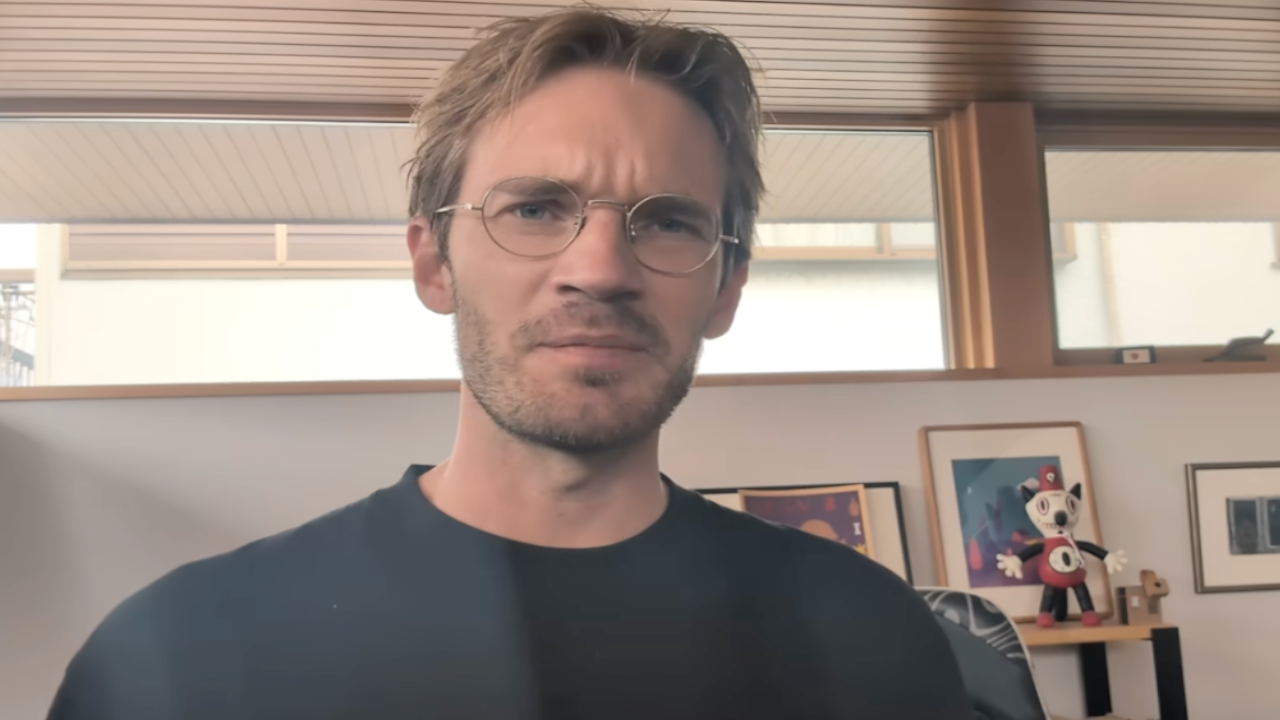
It comes as no surprise that AI companies are facing backlash: users are forced into subscriptions or need to buy expensive tokens - all while feeding corporate models their data for free. As applications like LM Studio have already proven, AI agents can run locally and free of charge. The YouTuber Felix Kjellberg, better known as PewDiePie, took this idea to the next level by building his own model that operates discreetly and locally. Now, the biggest AI company in the world has locked him out. Twice.
Learning Through Distillation
Kjellberg's model, Ajax, is a fine-tuned version of Alibaba's Qwen3.5-9B. It runs inside Odysseus, the content creator's free, self-hosted workspace, and handles web searches, email, and calendar tasks directly on the user's own hardware. Because it runs entirely locally, it operates completely uncensored - free from the corporate safety filters that restrict commercial chatbots. At roughly 9 billion parameters, it is tiny next to the frontier systems powering most cloud-based chatbots. While this makes it lightweight, the comparatively small number of parameters becomes a fundamental weakness: models like Ajax lack the vast knowledge base of industry giants. Distillation is the usual fix. Through this process, a smaller model studies a stronger model's answers - much like a student copying a top classmate's homework to learn the patterns.
The Shortcut That Got Him Banned
Kjellberg admitted he wanted to "distill just a little bit." His first suspension reportedly came after he utilized OpenAI's flagship model. He managed to win the account back, only to lose it again after generating seed data. His reaction was a mix of frustration and curiosity, asking how OpenAI even detected the practice.
OpenAI's terms of service strictly bar users from using its output to build competing models, a policy the company has fiercely defended. In February, OpenAI warned U.S. lawmakers that the Chinese firm DeepSeek was distilling American models. As tech commentators have pointed out, Kjellberg's case proves that automated enforcement systems cannot tell a solo YouTuber apart from a heavily funded AI lab.
Because most of this account stems from Kjellberg's own video, some technical details may still shift. However, it leaves the tech community with an open question: Should a solo creator fine-tuning an open-source model face the same corporate retaliation aimed at geopolitical rival labs?
Where do you draw the line? Leave a comment down below!
