



















Streamers are, above all, performers.
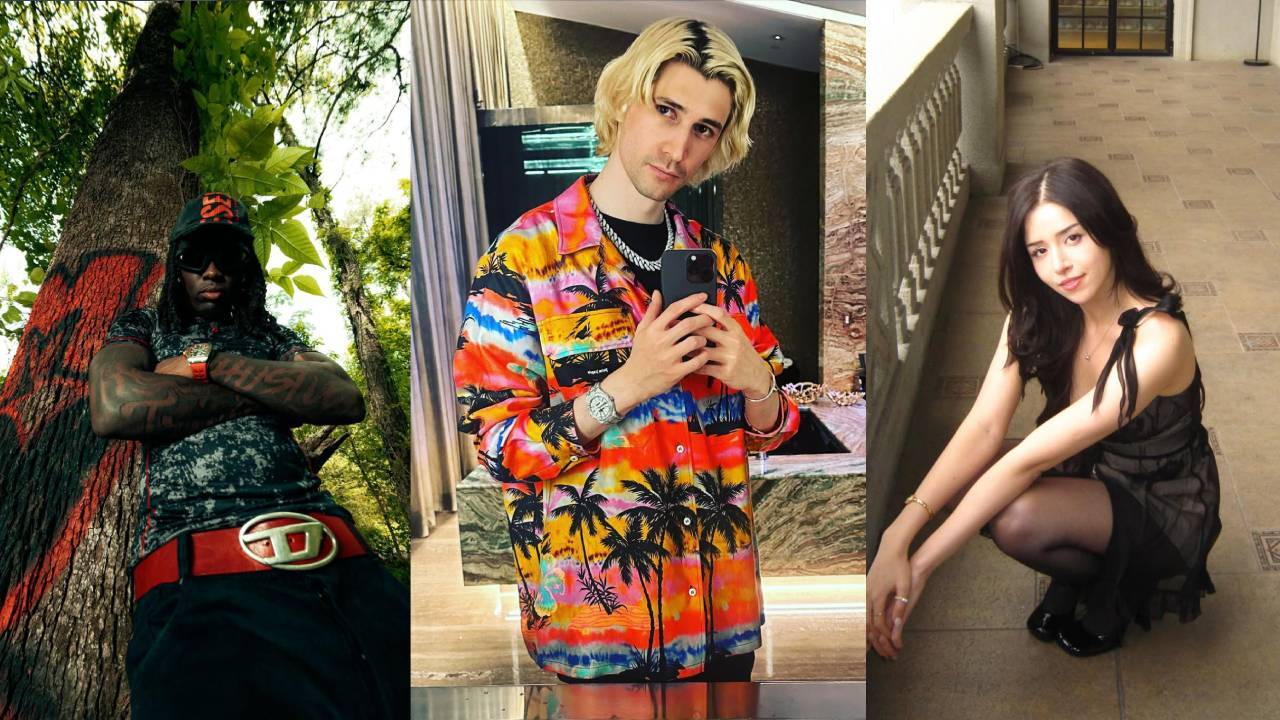
Streamers are supposed to be “real.” Viewers praise influencers for their authenticity and are disappointed and outraged when it turns out that their favorite streamer is actually a little different from how they come across online. But can streamers really be authentic at all, knowing that hundreds or thousands of people are watching them? And is authenticity really what viewers want?
The Camera Alters Reality
Under observation
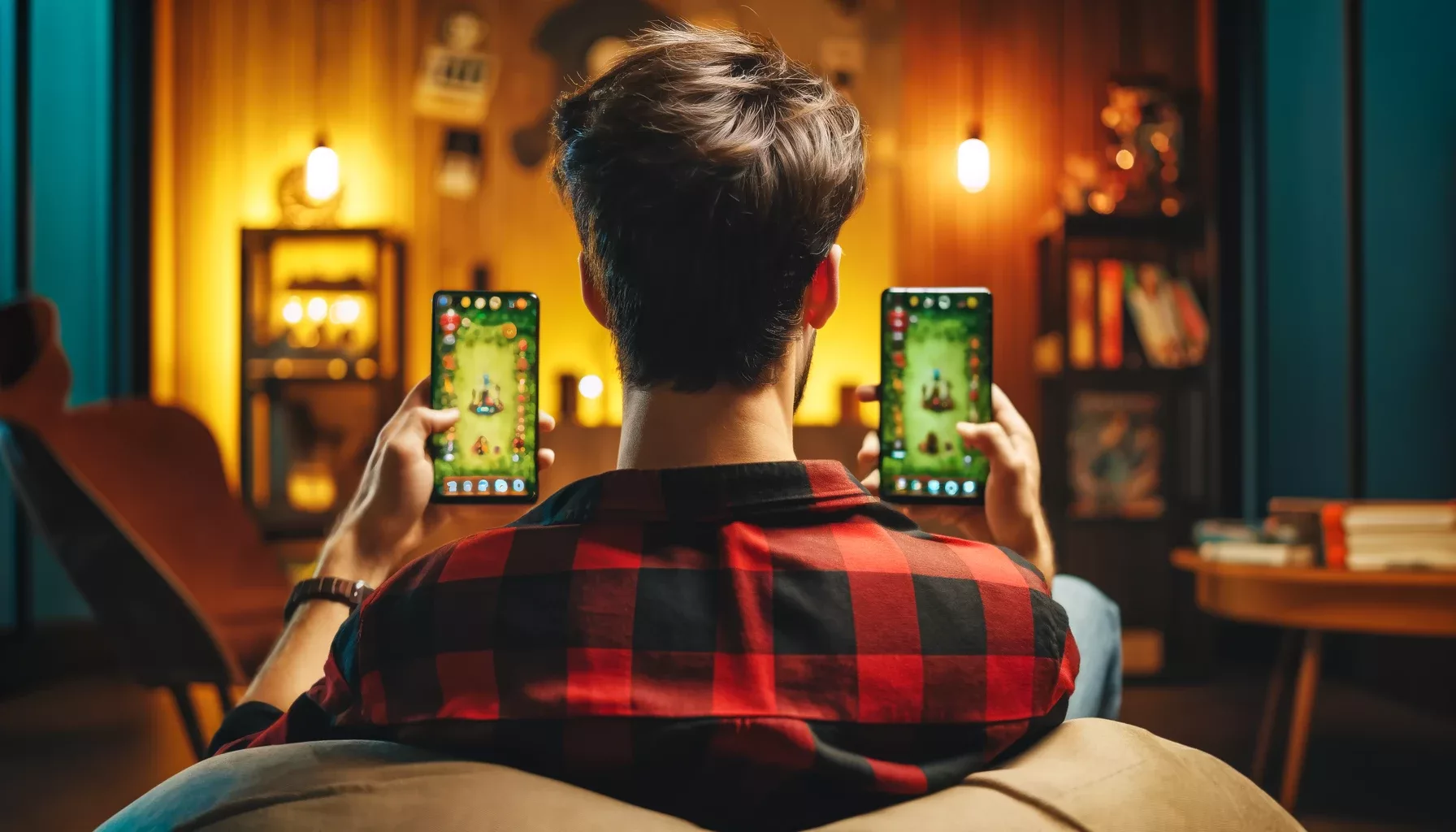
It’s a well-known phenomenon among people in general that they behave differently when they’re being watched. As soon as a camera starts rolling and the streamer knows that everything they do is being seen by hundreds or thousands of people, they automatically act differently. That’s only human.
Streamers are aware that they are now under observation. The interactive nature of livestreaming in particular fosters this dynamic. Clips can go viral, every statement is analyzed, and the chat reacts immediately. Even if it’s not intentional, all these factors influence “natural” behavior.
Entertainers
Besides, livestreams are, after all, meant to entertain. In everyday life, no one plays the role of a one-man show quite like a streamer in front of their chat. Even if this career path might attract such people, this behavior is amplified many times over during a stream. A streamer has to be entertaining; otherwise, no one would watch them.
Thus, authenticity itself becomes a performance. Creators know that being seen as authentic makes them more popular, and they quickly notice which reactions work, what generates clips, and what drives engagement. Statements like “I'm gonna be honest” immediately grab viewers’ attention, allowing them to experience their favorite streamer in a genuine and intimate way, and creating the impression that they’re getting exclusive information. Even honesty becomes content, and authenticity becomes a genre.
Their Own Niche
When people follow a streamer because they find them funny, nice, cool, or entertaining in some other way, it’s their personality that brings in the money. Success makes personality monetizable, and creators are divided into categories: the “rage streamer,” the “cozy streamer,” the “chaotic IRL streamer,” or the “relatable streamer.” They develop versions of themselves that sell and that offer viewers what they want and expect.
As a “rage streamer,” for example, they’ll quickly lose their temper to generate clicks – faster than they might actually do in real life. A “relatable streamer” will reveal a lot of personal information and pick up on “relatable” topics online – more than they might do on their own. It’s not that this persona is entirely fabricated – the categorization comes from somewhere, after all – but it is certainly amplified. The persona becomes the niche that a streamer fills, and thus their career.
Viewers Demand Authenticity
There are psychological reasons why fans want and demand authenticity so much. People who feel lonely seek connection. The more a connection with a streamer feels like a friendship – the more it seems as though you know them and are truly close to them – the better it feels, especially if you know them for who they really are. This “realness” offers parasocial comfort.
There is a desire for genuine personalities whom one can look up to and support with a clear conscience. If someone keeps a lot about themselves secret or puts on a facade, they seem less trustworthy.
Parasocial Relationships
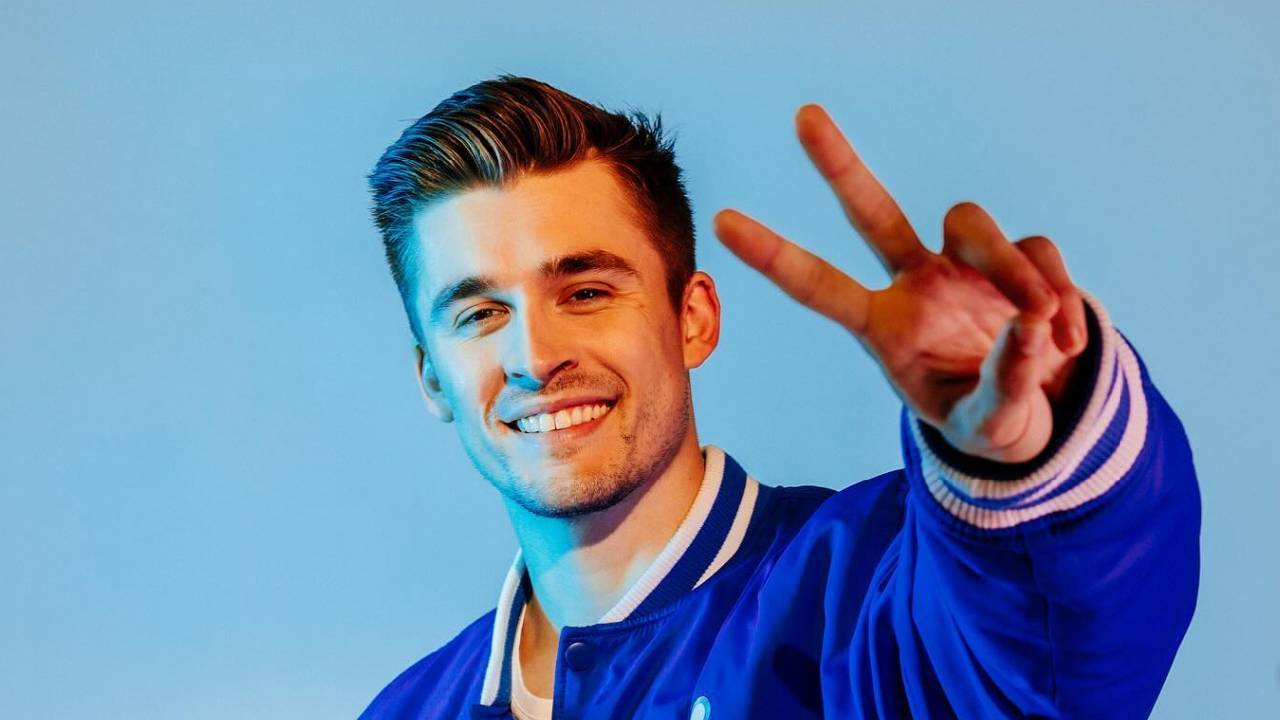
At the heart of it all are the parasocial relationships that viewers form with their favorite streamers. It is precisely the interactive nature of livestreams that gives viewers the feeling they can truly talk to the streamers. This makes the streamers seem more approachable, and viewers feel as though they really know them. They expect a creator, just like a friend, to always be open, honest, and available. But that’s not a real friendship.
People feel betrayed when it turns out that a creator they thought they knew well is actually quite different, as if a friend had deceived them. In doing so, the creator breaks their trust in a way.
The Internet Punishes Change
It’s perfectly normal and natural for people to grow and change. But online personas are often denied this freedom. “You’ve changed” isn’t a compliment, and “you used to be better” is a common refrain on the internet. Streamers tend to get stuck in their roles and find it difficult to evolve naturally.
Creators who try to do so anyway – whether gradually or through a radical rebranding – often face backlash or lose part of their audience.
Authenticity as Performance
As already suggested, authenticity itself is performative in nature, because that is what viewers want – so creators deliver it to stay relevant and make money.
Especially in livestreaming, the line between the person and the performance blurs. Unlike in movies or videos, streams often run for hours and are not cut or edited. Everyday life becomes content, and every moment is monetized. Even silence is judged.
Nevertheless, streamers feel this pressure and desire to create viral content, get clicks, become big, and, of course, make money. So everyday life is made as entertaining as it might not otherwise be, but is still sold as normal everyday life. Life itself becomes a show.
It is often the streamers who seem particularly natural who are the most popular. However, these aren’t necessarily the ones who are actually the most natural. Naturalness can also be cultivated. “Authentic streamers” are often simply better at performing. Some of the “most real” creators exercise extreme control over their image, know their audience inside and out, and deliberately play with spontaneity and vulnerability. When authenticity is performed, it’s hard to tell what’s real and what isn’t.

Is Authenticity Really What Viewers Want?
The irony is that too much authenticity can ruin careers. Truly genuine, unfiltered people aren’t always perfect. They say controversial things, have bad days, or contradict themselves. It is precisely these things that often land influencers in hot water.
So viewers want honesty and authenticity, but at the same time they want perfection and control – something a truly genuine, authentic person could never achieve.
Is Real Authenticity Impossible?
Some of what creators present as real may be staged, but a lot of it is genuine. Some streamers show real aspects of their lives, and if they were to completely put on a facade, that would stand out.
Smaller streamers are often more natural, not as focused on entertainment, don’t have to watch what they say as closely, and don’t feel as much pressure from the “general public.”
Not everything is deliberately acted out. As mentioned earlier, much of it is simply normal pretense, the kind everyone engages in when they’re being watched or want to entertain. Some personality traits start out authentic and are then amplified and exaggerated.
But the fact remains: total authenticity is impossible when you’re being watched. And there’s a difference between being among friends or family and having every one of your movements watched by hundreds or thousands of strangers.
Streaming turns personality into a commodity, and as soon as that happens – and personality starts generating money – it changes. Streamers can be honest, but they can never be completely unfiltered. Authenticity online is often curated, optimized, and performed. Not to say that every streamer is completely fake (much of it is probably genuine) but they can never truly be their whole self in front of the camera. The moment authenticity becomes content, it ceases to be truly real.
