




































A $1.50 Call of Duty bet triggered a fatal swatting that killed Andrew Finch, an innocent man with no connection to the video game feud.

Andrew Finch had not lost a match. He had not placed a bet, traded insults or even touched the game at the center of the argument. On December 28, 2017, the 28-year-old father of two simply opened the front door of his Wichita home to see why police had surrounded it. Roughly ten seconds later, he was shot in the chest. Three men scattered across the United States had turned wounded gamer pride into a fake hostage crisis, and a stranger who knew nothing about it paid the full price.
A Dollar and Fifty Cents of Pride
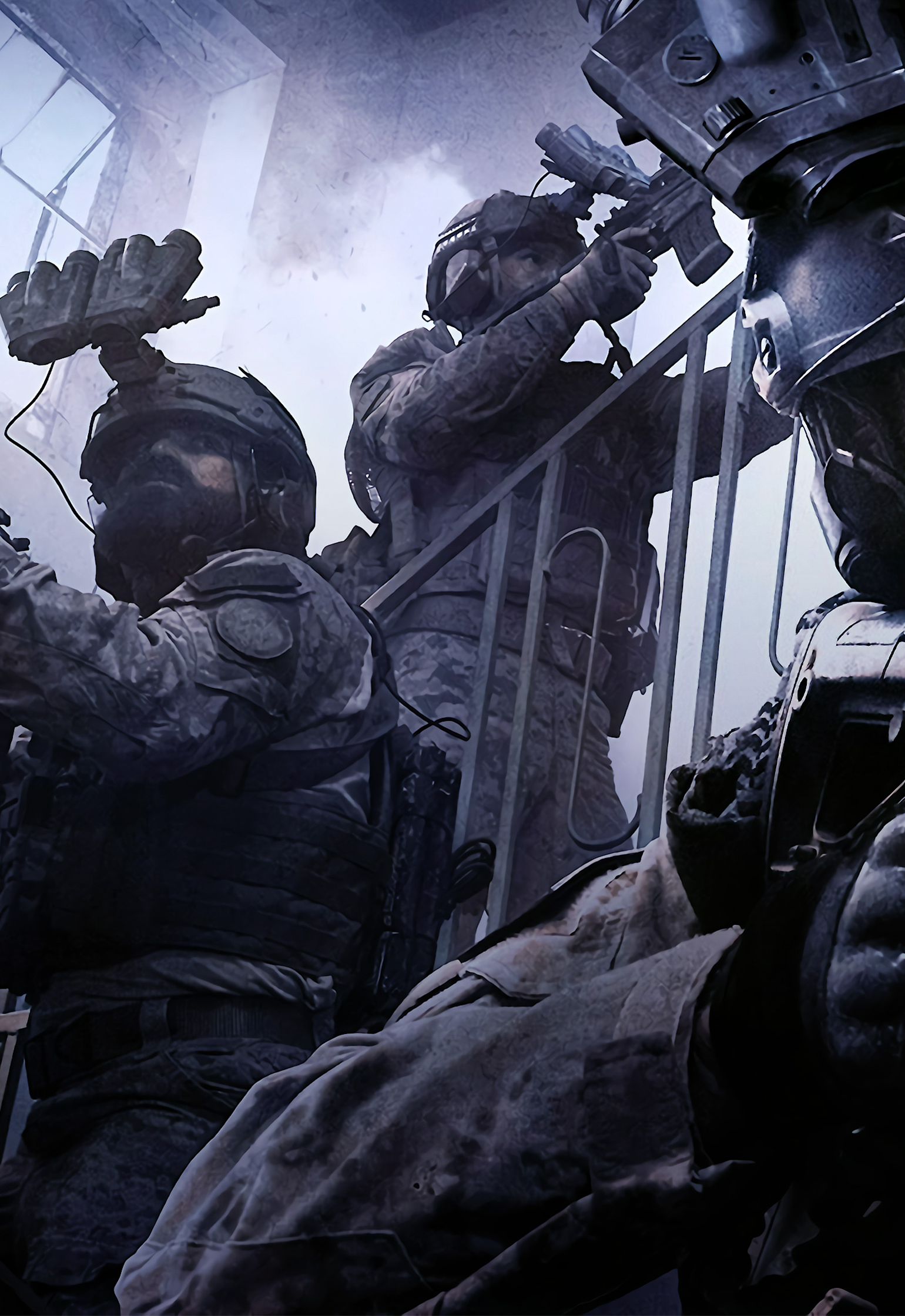
The chain began with Casey Viner of Ohio and Shane Gaskill of Kansas arguing after an online match of Call of Duty: WWII involving a $1.50 wager. Viner threatened to have Gaskill “swatted”—internet shorthand for inventing a violent emergency so armed police descend on someone else’s home. He then recruited Tyler Barriss, a Los Angeles man already notorious for making hoax calls, to do the dirty work.
Gaskill knew what was coming and chose escalation. He supplied an old address in Wichita, challenged Barriss to act and let his online rivals believe he still lived there. He did not. The house was now home to people with no seat in this digital feud, including Andrew Finch. An address typed into a message had become a loaded weapon; nobody involved seemed especially concerned about where it was pointed.
The Hostage Story Was Built to Terrify

Barriss disguised his number to make it appear local and told emergency services that he had shot his father in the head. His mother and younger brother, he claimed, were being held at gunpoint in a closet. He also threatened to kill himself and said gasoline had been poured around the house. It was not a random collection of lies. Each detail was designed to make responding officers expect an armed killer, frightened hostages and a building ready to burn.
Finch stepped onto his porch with no idea that police believed he was that killer. According to the federal appeals court’s account, officers shouted different commands without identifying themselves as police, and Finch’s empty hands were visible. Officer Justin Rapp, positioned about 40 yards away with a rifle, testified that he interpreted one of Finch’s movements as an attempt to draw a weapon. He fired once. Finch was unarmed.
A “Prank” With More Than One Point of Failure
Calling this merely a prank gone wrong lets too many decisions hide inside one soft word. Barriss created the fiction, Viner ordered it and Gaskill knowingly aimed it at an occupied home. Yet the hoax call did not pull the trigger. The Sedgwick County district attorney declined to charge Rapp; a police review cleared him, and he was later promoted. A federal court nevertheless ruled that a civil claim could proceed because a reasonable jury could find Finch had been unarmed and unthreatening. Wichita eventually approved a $5 million settlement for Finch’s two children.

The behavior after the shooting was almost as chilling. Viner factory-reset his phone to erase communications. Federal prosecutors alleged that Gaskill messaged Barriss, “Do you wanna try again?” and supplied an IP address belonging to yet another person. Barriss ultimately pleaded guilty to 51 federal charges tied to swattings, bomb threats and other crimes nationwide and received 20 years in prison. Viner received 15 months; Gaskill received 18.
The $1.50 figure is why the case sounds unbelievable. It is not why Andrew Finch died. He died because several people treated an armed police response like an in-game weapon, then trusted distance, usernames and a screen to protect them from the consequences. Finch was the only person in the story who never chose to participate.