

























Can humor cross any line? Does it have to? And is saying that the children involved are supposedly fictional enough of an explanation?
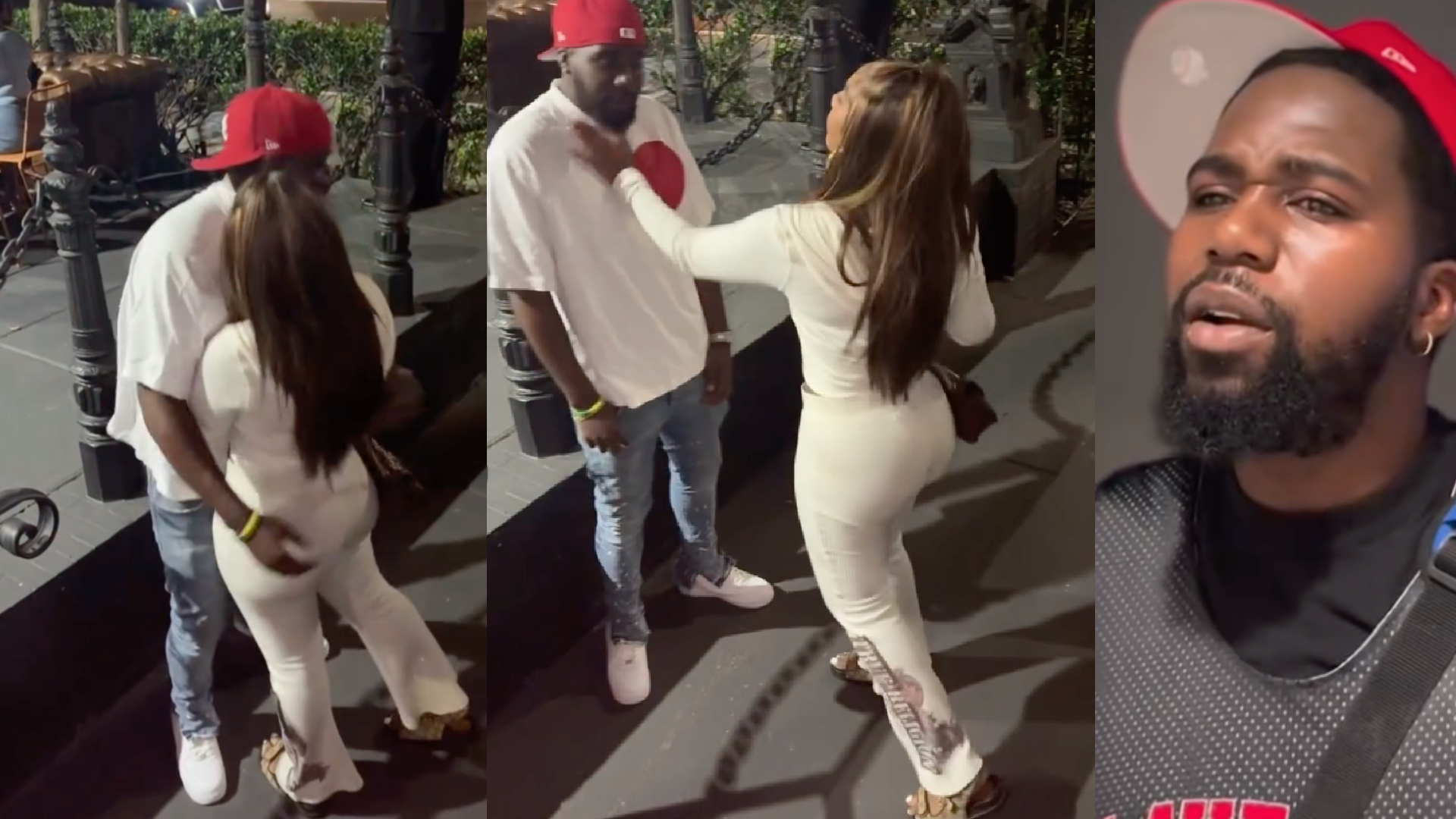
A father catches his son in a very intimate moment, only to stick around and offer explicit advice on technique, pornographic videos, and models to look up. In another video, he walks in on his daughter having sex for the first time and peppers the room with crude commentary.
Scenes that most people would never want to imagine in real life seem so hilarious to TikToker B.Prate that he turned them into recurring comedy sketches. The creator now faces mounting backlash and a hard question: is chasing viral views worth turning sexual boundary violations between parents and children into routine punchlines?
The Father Doesn't Leave: He Joins the Conversation
The influencer's videos follow a rigid formula: B.Prate plays an intrusive father walking in on his fictional son or daughter masturbating or having sex. Rather than leaving the room, the awkward setup turns into a drawn-out, explicit dialogue.
In several sketches, the father character remains in the bedroom recommending porn clips to his son. In another, he watches the son with a partner and hands down play-by-play sexual advice. The fact that the son is frequently voiced with an exaggerated, childlike pitch has only fueled criticism from viewers who find the dynamic deeply uncomfortable.
Other sketches push similar boundaries. Supposed comedy beats rely on the father figure brazenly intruding into his children's personal lives with absurd reactions. One sketch shows the son detailing symptoms resembling a sexually transmitted infection, only for the father to mock and insult him.
The pushback is not simply about adult themes in sketch comedy; Prate creates plenty of irreverent content that does not cross this line. The core issue lies in how parental boundaries are erased, showing a father repeatedly forcing himself into sexualized situations with his kids for cheap laughs.
B.Prate's Explanation: The Videos Went Viral
B.Prate eventually addressed the mounting criticism in a video of his own. He defended the format by claiming he personally found the sketches funny and kept producing them simply because they went viral. He added that he apologized to anyone genuinely offended by the material.
The creator did delete at least one clip following the controversy, though several other videos boasting millions of views remain live on his profile. Even within his own community, reactions remain divided: while numerous commenters voiced disgust, plenty of followers continue to cheer the format on.
When Reach Becomes the Only Metric
B.Prate's defense highlights just how flimsy the "people like it" justification really is, even if creators regularly lean on it. A spike in algorithm traffic explains why an influencer sticks with a trend, but metrics cannot prove whether the idea was worth pursuing in the first place.
A click can indicate curiosity, just as a share or comment often signals pure outrage. Attention is never a reliable barometer of approval, and it certainly is no substitute for creative responsibility.
This dynamic creates a dangerous loop: a boundary-pushing skit scores views, encouraging the creator to double down on even more explicit setups. When raw engagement numbers dictate content, creators easily lose sight of the relationships and behaviors they are trivializing.
While B.Prate deserves distinction for staging purely fictional scenes rather than exploiting real-life family members (unlike an influencer and model who recently caused a stir by sexualizing her own pregnancy for clout), recurring motifs remain deliberate creative choices that open creators up to scrutiny.
Criticism Does Not Require Unsubstantiated Allegations
Some vocal critics have taken their condemnations too far, demanding formal investigations and declaring that the creator should never be permitted to parent. To be clear, these distasteful fictional sketches offer zero evidence of real-world abuse or proof that Prate even has children.
Content can be heavily criticized on its artistic merits without inventing legal wrongdoing out of thin air. Any creator leaning into sexualized parent-child skits must ultimately decide whether cheap viral engagement is worth the inevitable reputation hit.