






























Toxicity in multiplayer games is a well-known problem. However, beginners in League of Legends have an especially hard time

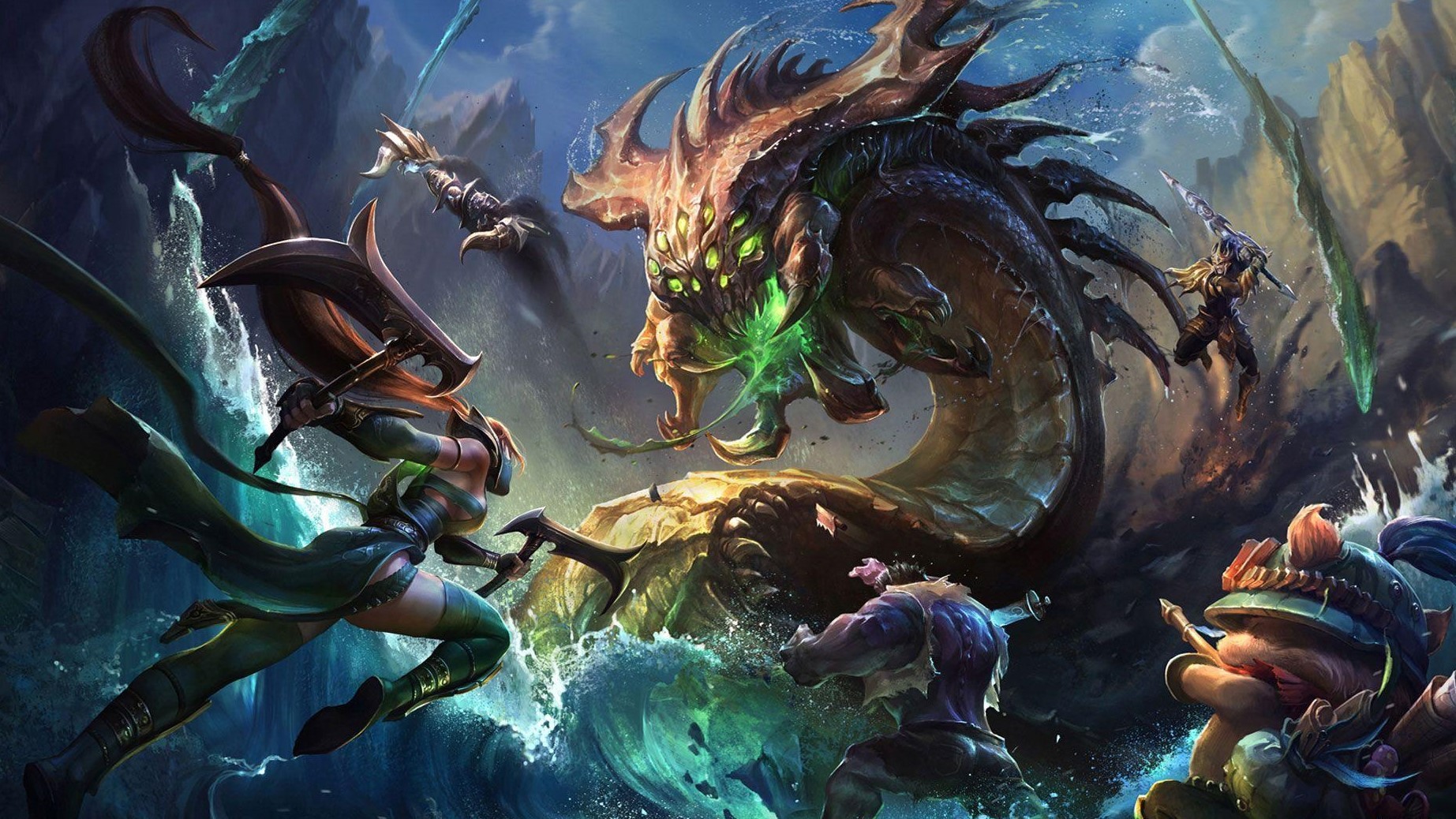
League of Legends is one of the most successful multiplayer games in the world, but also one of the most intimidating for beginners. Why does the LoL community often treat new players so poorly? The uncomfortable but obvious answer: League is old, complex, extremely team-dependent – and many players lose their patience the second something goes wrong.
League Expects Knowledge Beginners Cannot Have Yet
The best point is simple: many League players expect others to have knowledge that takes years to build. Anyone who plays ranked regularly today often has five to ten years of champion, map, and game knowledge in their head. For those players, it feels obvious that Darius can run you down at level one, that Lee Sin can kick you out of a safe position, or that pushing without vision against certain junglers is a terrible idea.
For new players, none of that is obvious. League now has an enormous amount of champions, matchups, items, objectives, power spikes, and unwritten rules. A beginner is not just learning one champion. They are learning laning, trading, warding, wave management, jungle pathing, objective timing, and teamfighting at the same time. And because everything is connected, one mistake can quickly affect the entire game.
That is what makes League so brutal. In many other games, a bad player is simply weak. In League, a bad player can actively make the enemy stronger.
Why Mistakes Escalate So Hard in League
That is the big difference compared to many shooters or fighting games. If a beginner dies in Counter-Strike or Valorant, the round obviously gets harder. But the enemy does not become permanently stronger because of it. In League, every death means gold, experience, tempo, pressure, and often objectives for the enemy team.
If a new top laner dies three times, that is not just their problem. Suddenly the enemy top laner is fed, can roam, secure Herald, dominate side waves, or take over teamfights later. If a new bot laner keeps getting picked, it does not only hurt the lane, but also dragon control. If a jungler does not understand when they can fight, every lane indirectly suffers with them.
That is why players often react more strongly to mistakes in League than in other games. It does not excuse insults, but it explains why emotions shift so quickly. A teammate’s mistake does not feel isolated. It feels like something that actively ruins your own game.
The Community Has a Mentality Problem
Still, it would be wrong to explain everything through game design. League has its reputation as an extremely toxic community for a reason. Many players understand exactly why beginners struggle, but still treat them badly.
A lot of that comes from the mentality that has built up in ranked over the years. Many players enter every match expecting everyone else to have roughly the same knowledge they do. As soon as something goes wrong, they do not look for adjustments. They look for someone to blame. The beginner, the autofilled player, or the person trying a champion for the first time quickly becomes the outlet.
Riot itself says in its Community Pact that disruptive behavior does not always come only from consistently bad actors. Often, it comes from regular players having a bad day or losing control in a frustrating match. That fits League very well: many players are not toxic all the time, but once the game turns bad, their mentality turns with it.
Ranked Is the Wrong Place for Experiments – But Bad Play Is Not Trolling
Part of the harshness also comes from the fact that many players treat ranked as a serious mode. And that is fair in principle. If you queue ranked, it is reasonable to expect everyone to play to win. If someone first-times a champion there, does not understand their role, or looks completely unprepared, frustration is almost guaranteed.
But this is where the line matters: playing badly is not the same as intentionally losing. Beginner mistakes, missing knowledge, or simply having a bad game are not griefing. Riot also emphasizes that new players or players learning a role should not be punished just for normal mistakes. That distinction is something many players forget in the middle of a match.
League needs clear expectations, but it does not need players acting like judges in chat. Flaming usually does not make the game better. It only makes the struggling player play worse, destroys your own focus, and causes the team to collapse even faster.
The Best Solution Is Often to Mute and Learn
For new players, this is frustrating, but probably the most honest advice: you cannot fix the League community overnight. If you want to learn, mute chat and pings aggressively when they become annoying, and focus on your own game. Especially early on, recognizing patterns matters more than winning every match.
For Riot, the bigger task is to protect beginners better and limit toxic behavior more consistently. Better tutorials, clearer learning paths, more readable champion information, and harsher penalties for genuinely abusive communication can all help. But they will not solve everything, because part of the problem is built deep into League’s structure.
League is hard. League is old. League punishes mistakes extremely heavily. And that creates an environment where beginners quickly become targets. That does not make the community’s reactions right. But it explains why the problem is so persistent. In the end, the answer should be simple: everyone was bad at some point. Anyone who has forgotten that probably did not become better at League – just more impatient.