


























Some actors are simply better as part of a team. They can be the best part of any ensemble, yet falter when asked to carry a film alone. These are the stars who can't quite handle the lead role.
These stars can't lead.
Bill Skarsgård excels at playing haunting, offbeat characters, which is why his Pennywise in It is so iconic. That brilliant specificity, however, works best as a memorable piece of a larger puzzle, like in John Wick: Chapter 4. He lacks the conventional leading-man presence needed to build a whole film around his unique, often eerie, energy. | © Lionsgate Films
Jason Clarke is the absolute go-to for tough, grounded authenticity in a supporting role, as seen in films like Zero Dark Thirty and Oppenheimer. He excels under the direction of a strong filmmaker within a stellar cast. Put him front and center, however, and that same admirable grit lacks the dynamic star power needed to elevate a mediocre script or carry a film entirely. | © Hulu
Jesse Plemons is one of the best character actors working today, delivering unforgettable performances in The Power of the Dog and Killers of the Flower Moon. His skill is in subtlety and reactive presence, a strength that doesn't naturally lend itself to the broad, driving charisma a traditional leading role demands. He’s the secret weapon that makes a great film brilliant, but he doesn’t seek to be the main event. | © Netflix
Jon Bernthal brings a raw, dangerous energy to every supporting role he takes, instantly elevating films like The Wolf of Wall Street. That very intensity is so potent and specific that it can overwhelm a full-length feature when he's the lead. He's mastered the art of the scene-stealer, which is precisely why he's more valuable as a powerhouse component of an ensemble than as its solitary anchor. | © Sony Pictures Releasing
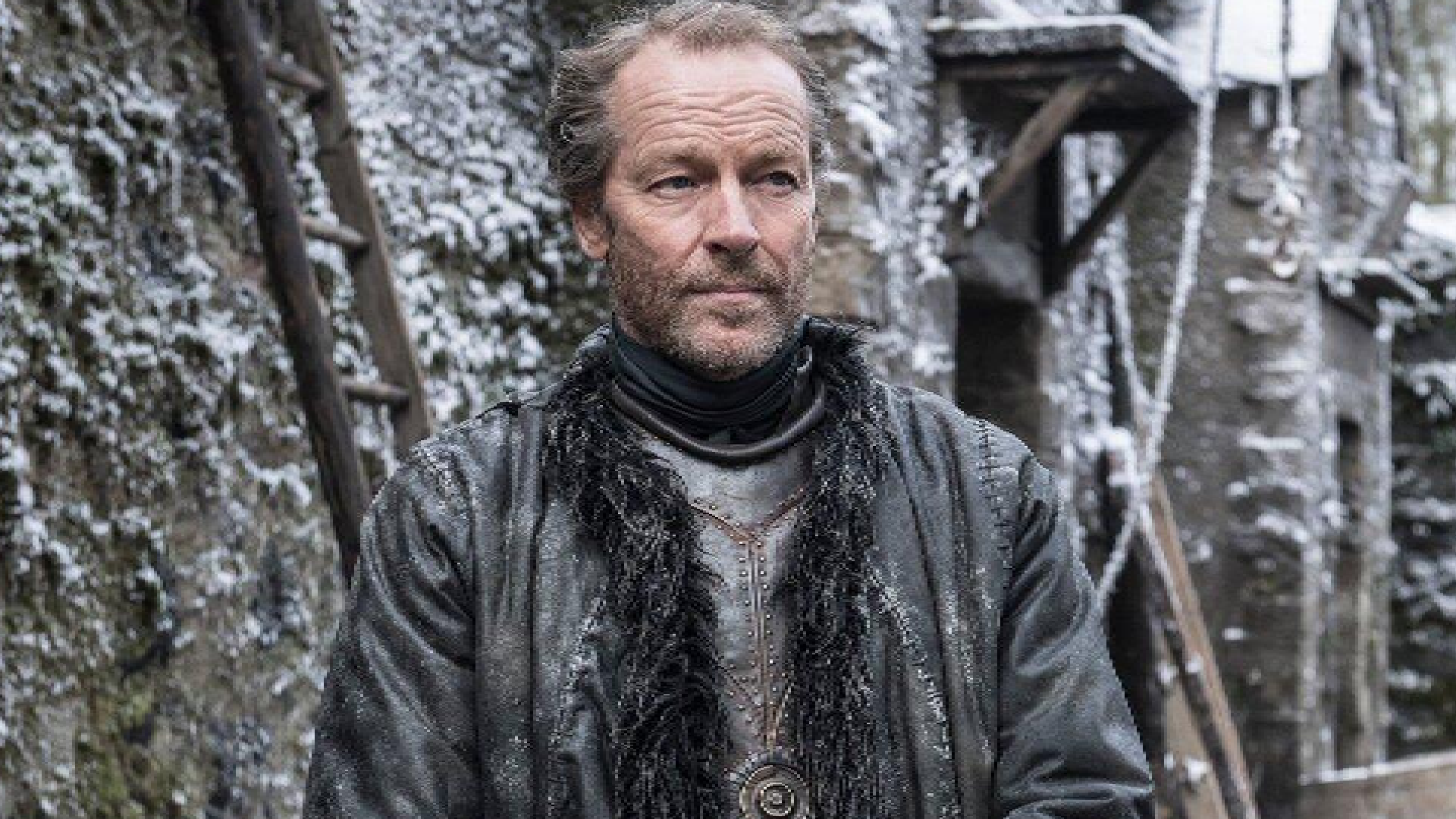
Kit Harington was perfect for the long-form storytelling of Game of Thrones. In a feature film, however, that same energy can feel too narrow and internalized, unable to provide the dynamic range a movie star needs. He works well as part of a larger cast, but he hasn't yet found a leading role that uses his strengths without making him seem one-dimensional. | © HBO
Dominic Cooper is a versatile actor who brings real flair to supporting roles, like Howard Stark in the MCU. When he steps into the lead, that energy can sometimes tip into overperformance, lacking the grounded center needed to sustain a film. He's found his niche as a standout component of an ensemble, where his charisma pops without the burden of having to carry an entire narrative. | © A-Film Distribution
Luke Evans has a commanding voice, making him a scene-stealer in roles like Gaston in Beauty and the Beast. When he headlines his own vehicle, though, that same power can feel one-note, unable to provide the emotional range. He’s at his best as a memorable piece of a bigger puzzle, which is why his work in franchises like Fast & Furious leaves a stronger impression than his own starring films ever have. | © Hulu
Sam Claflin is a reliable actor who excels in a specific niche: the supportive romantic lead or a side character. He was a standout as Finnick in The Hunger Games and compelling in Peaky Blinders, proving his strength lies in enriching an ensemble. When asked to carry a film entirely on his own, however, he can feel a bit too polished and conventional, lacking the gravity to truly dominate the screen. | © BBC
Theo James has leading-man charisma, which works perfectly well within the confines of a TV series like The White Lotus. When handed a big-screen franchise like Divergent, however, his performance tends to default to a bland, brooding stoicism that fails to elevate the material. He’s an ideal component of a stylish ensemble, but he lacks the distinctive acting choices needed to be the sole compelling reason to watch a movie. | © Lionsgate Films
Charlie Hunnam has the dedication of a leading man, but his on-screen presence often feels more dutiful than magnetic. He was perfectly solid in Pacific Rim, but the film's success hinged on its giant robots, not his performance. He's far more compelling as a piece of a stylish ensemble, like in The Gentlemen, where his intensity gets a chance to shine without having to carry the whole weight of the film. | © FX
Alexander Skarsgård is a formidable actor who excels at playing unsettling characters in a strong ensemble, like in Big Little Lies. When he's asked to lead a big, commercial film, however, his energy feels too internalized and remote to connect with a broad audience. For every Northman that critics love, there's a Legend of Tarzan that proves his unique strengths don't easily translate to conventional charisma. | © Warner Bros. Pictures
Ansel Elgort can be a charming lead, as shown in The Fault in Our Stars, but that success often feels tied to the material. In Baby Driver, he was a compelling piece of the film's stylish puzzle, but the energy came from the direction and editing, not his own performance. When a project rests entirely on his shoulders, like The Goldfinch, his acting lacks the depth to salvage a struggling film. | © Warner Bros. Pictures
Liam Hemsworth is a capable and steady screen presence, perfectly fine as part of an ensemble like The Hunger Games. Whenever he's asked to headline a film, though, he brings a generic earnestness that lacks a unique point of view. He fills the role without defining it, which is why his solo projects tend to fade from memory while his franchise work endures. | © Lionsgate Films
Armie Hammer has all the polished presence of a classic movie star, but it never quite translates to box office pull. He's at his best in a supporting capacity, like in Call Me by Your Name, where a stronger co-star gives his performance the needed gravity. When handed a big-budget lead, as in The Man from U.N.C.L.E., he feels too muted and inert to single-handedly hold an audience's interest. | © Netflix
Scott Eastwood has the classic leading-man look, but that's about where the charisma ends. He's proven to be a dependable, low-key presence in ensemble films like Fast & Furious, doing solid work in the background. The moment he's put front and center, however, his performances lack the distinctive spark or depth needed to make a film truly his own. | © MUBI
Some actors are simply better as part of a team. They can be the best part of any ensemble, yet falter when asked to carry a film alone. These are the stars who can't quite handle the lead role.