







• EarlyGame PLUS top logo
  • Join to get exclusive perks & news!
English
    • News
    • Guides
    • Gaming
      • Fortnite
      • League of Legends
      • EA FC
      • Call of Duty
      • Reviews
    • TV & Movies
    • Codes
      • Mobile Games
      • Roblox Games
      • PC & Console Games
    • Videos
    • Forum
    • Careers
    • EarlyGame+
  • Login
  • Homepage My List Settings Sign out
  • News
  • Guides
  • Gaming
    • All Gaming
    • Fortnite
    • League of Legends
    • EA FC
    • Call of Duty
    • Reviews
  • TV & Movies
  • Codes
    • All Codes
    • Mobile Games
    • Roblox Games
    • PC & Console Games
  • Videos
  • Forum
  • Careers
  • EarlyGame+
Game selection
Kena
Gaming new
Enterianment CB
ENT new
TV Shows Movies Image
TV shows Movies logo 2
Fifa stadium
Fc24
Fortnite Llama WP
Fortnite Early Game
LOL 320
Lo L Logo
Codes bg image
Codes logo
Smartphonemobile
Mobile Logo
Videos WP
Untitled 1
Cod 320
Co D logo
Rocket League
Rocket League Text
Apex 320
AP Ex Legends Logo
DALL E 2024 09 17 17 03 06 A vibrant collage image that showcases various art styles from different video games all colliding together in a dynamic composition Include element
Logo
Logo copy
GALLERIES 17 09 2024
News 320 jinx
News logo
More EarlyGame
Esports arena

Polls

Razer blackhsark v2 review im test

Giveaways

Rocket league videos

Videos

Valorant Tournament

Events

  • Copyright 2026 © eSports Media GmbH®
  • Privacy Policy
  • Impressum and Disclaimer
 Logo
English
  • English
  • German
  • Spanish
  • EarlyGame india
  • Homepage
  • Entertainment

15 TV Shows That Tried To Force Inclusion Down Our Throats

1-15

Ignacio Weil Ignacio Weil
Entertainment - January 19th 2026, 23:59 GMT+1
Stranger things i dont like girls cropped processed by imagy

Stranger Things Season 5 (2025)

It takes a special kind of clumsiness to spend years letting a character’s inner life simmer in the background, then cash it out with a late-game “big scene” that feels staged for reaction clips. Will’s coming-out moment is framed with this oddly public, over-lit sincerity heavy on pauses, tears, and reassurance like the show is presenting a statement rather than letting a kid talk in his own voice. The absurdity is that it doesn’t feel anchored in the relationships the season actually spent time earning, so the emotion plays manufactured instead of inevitable. What makes the stumble even louder is that the series already showed it knew how to do this right with Robin in Season 3: her confession to Steve was intimate, character-driven, and slipped into the story without demanding applause. With Will, the writing suddenly turns self-conscious, as if it’s afraid subtlety won’t be credited. Same franchise, wildly different execution—and the contrast is embarrassing. | © Netflix

Ironheart 2025 cropped processed by imagy

Ironheart (2025)

You can feel the room of executives hovering over the script, terrified you might miss what the series wants credit for. Riri Williams should be allowed to simply exist as a brilliant, stubborn, ambitious kid who builds something dangerous yet the storytelling keeps circling back to “Look how meaningful this is,” flattening character into messaging. When themes like identity and responsibility are treated like bullet points instead of emotional pressure, scenes start sounding like speeches with costumes. It doesn’t help that the pacing often rushes the human moments and lingers on the self-serious ones, as if the show is trying to prove its value rather than tell a tight story. The result is performative representation: loud about intention, thin on texture. | © Marvel Television

Cropped The Acolyte

The Acolyte (2024)

Big swings are fine; announcing your swing is where it starts to feel forced. The series arrives already wrapped in discourse about what Star Wars “should” be, about who it’s “for,” about representation then too often feeds that noise with writing that can’t decide if it wants to be pulpy mystery, mythic tragedy, or a thesis statement. Characters get positioned like chess pieces for themes instead of people with messy inner lives, so relationships and motivations feel engineered rather than inevitable. Even when it introduces interesting ideas, it tends to underline them, then move on before the drama can ferment. Inclusion isn’t the problem; the “message-first, character-second” posture is what makes it feel like corporate signaling inside a lightsaber box. | © Lucasfilm

Queen Cleopatra 2023 cropped processed by imagy

Queen Cleopatra (2023)

Nothing kills credibility faster than calling something a docudrama and then using that label like a hall pass. The series wants the prestige of “educational” while playing fast and loose with history, leaning on expert commentary to legitimize choices that many viewers experienced as present-day agenda dressed up as scholarship. The controversy around Cleopatra’s portrayal didn’t explode because audiences can’t handle reinterpretation it blew up because the show blurred the line between dramatized speculation and asserted fact, then acted surprised when historians and critics pushed back. Instead of earning its angle through careful context, it sells provocation as substance. When “representation” is strapped to shaky framing, it stops feeling like inclusion and starts feeling like a marketing stunt. | © Nutopia

Cropped Velma

Velma (2023)

The show doesn’t just wink at the audience it practically elbow-drops them every five minutes to remind them how edgy and self-aware it thinks it is. Instead of building characters, it rebuilds the brand around snarky commentary on identity, race, and “modern audiences,” turning representation into a running gag and an excuse to be smug. The changes to familiar roles could’ve been refreshing if the writing treated the new versions like real people, instead, it often treats them like props in a meta rant. That’s why it feels forced: it’s not organic inclusion inside a story, it’s a story constructed to constantly talk about inclusion. When a series is more interested in dunking on its own franchise than telling a mystery, the result isn’t bold—it’s exhausting. | © Warner Bros. Animation

Cropped The Lord of the Rings The Rings of Power

The Lord of the Rings: The Rings of Power (2022)

Nothing about this show feels like it trusts Middle-earth to speak for itself; it keeps telegraphing its “modern” intent so loudly that the storytelling gets smothered under the presentation. The casting choices weren’t the problem treating them like a battleground and then writing characters thinly enough that the discourse could swallow them whole was. Instead of building an ensemble where identity disappears into personality, the series often leans on broad archetypes and “statement” moments that feel designed for the trailer, not for earned emotion. Even Galadriel’s abrasive rewrite plays like a deliberate provocation more than a character study, which only amplifies the sense of agenda-over-drama. When a fantasy epic feels like it’s managing a brand narrative as much as it’s telling a tale, inclusion stops feeling natural and starts feeling like marketing. | © Amazon MGM Studios

She Hulk Attorney at Law 2022

She-Hulk: Attorney at Law (2022)

The show practically dares you to argue with it, then acts smug when you do an exhausting way to write comedy, let alone representation. Instead of letting Jennifer Walters be a funny, flawed lawyer who happens to be She-Hulk, the series often pauses to preempt criticism with meta lecturing, turning real-world discourse into a self-congratulatory shield. The “trolls were the villains all along” angle could’ve been clever in small doses, but it gets hammered so hard it starts to feel like the show is more interested in winning Twitter than telling a story. Even the finale’s reality-break and K.E.V.I.N. gag reads like an escape hatch from consequences, as if the writers wanted applause for self-awareness rather than accountability for plot. Inclusion isn’t the issue writing like you’re scoring points is. | © Marvel Studios

Resident Evil 2022 cropped processed by imagy

Resident Evil (2022)

This adaptation doesn’t just reinvent the franchise; it treats reinvention like an alibi for not understanding why people liked it in the first place. Big swings new timelines, corporate satire, teen drama, and a completely different take on legacy characters might’ve worked if the show committed to a tone, but it keeps zigzagging like it’s chasing demographics. The casting of key roles became a lightning rod, and the series didn’t help itself by giving those characters dialogue and motivations that often feel like placeholders rather than fully lived-in people. Representation ends up caught in the crossfire because the writing doesn’t earn emotional investment; it just stacks updates on top of chaos and expects goodwill. When a show feels like it was assembled from competing pitches, inclusion becomes another layer of “stuff added,” not something integrated. | © Constantin Television

Ms Marvel 2022 cropped processed by imagy

Ms. Marvel (2022)

There’s a charming coming-of-age series hiding in here, but it keeps getting interrupted by a corporate urge to “explain” itself like a brochure. The early episodes work best when they stay close to Kamala’s voice family, fandom, school, the awkward joy of being a kid but then the plot starts dragging her into clunky exposition dumps and villains who feel like policy memos with badges. Cultural specificity should feel like texture; too often it’s presented like a guided tour, with the story pausing to underline significance instead of letting life and character do the work. Even when the intentions are good, the execution can feel self-aware in the wrong way, like the show wants credit for representation while rushing past the messy, personal moments that would make it organic. The result is inclusion that’s visible for the wrong reason: because the writing keeps pointing at it. | © Marvel Studios

Santa Inc 2021 cropped processed by imagy

Santa Inc. (2021)

This series doesn’t trust satire to land on its own, so it shouts its premise at you until it turns into background noise. A woman fighting her way through an aggressively sexist workplace at the North Pole could’ve been sharp, nasty, and smart but the show often swaps insight for blunt slogans and shock jokes, like it’s trying to win points for “taking a stand” more than it’s trying to be funny. The criticism isn’t that it centers a woman, it’s that it treats that fact like the entire punchline, then piles on caricatures so broad they stop resembling characters. When representation becomes a megaphone and everyone else becomes a strawman, the comedy dies and the “message” feels hollow. It’s the worst kind of forced inclusion: not woven into story, just yelled over it. | © Lionsgate Television

And Just Like That 2021 cropped

And Just Like That… (2021)

The reboot came back acting like it had homework due: add new friends, add new identities, add new “conversations,” then act shocked when the seams showed. Instead of letting diversity feel like the natural evolution of New York life, the first season drops in characters of color and LGBTQ+ storylines with the clunky energy of a corporate “listening session,” where everyone exists to steer the original trio toward personal growth. Che Diaz, in particular, lands less like a person and more like a writers-room dare big slogans, big scenes, very little interior life so the show ends up spotlighting representation in the exact way that makes it feel performative. The worst part is you can see the easier version: the same topics, but filtered through the old show’s sharp character work instead of a self-conscious reboot trying to prove it’s evolved. | © HBO Entertainment

The Witcher 2019 cropped processed by imagy

The Witcher (2019)

It’s hard to buy a fantasy world when the series keeps treating its cast like pieces on a marketing board and its lore like optional reading. The show’s inclusion choices didn’t have to be “a thing,” but the adaptation’s habit of smoothing characters into modern archetypes and rushing emotional beats makes everything feel engineered like the audience is meant to applaud the idea of who’s on screen more than care about what they’re doing. When character relationships and motivations are rewritten with blunt, contemporary framing, representation stops blending into the story and starts sticking out as “intent.” Add to that years of complaints about fidelity and tone, plus the ongoing noise around creative direction, and the whole package ends up feeling like a brand trying to be current instead of a saga trying to be timeless. Inclusion works best when the writing is confident; here, the writing often feels like it’s negotiating with discourse. | © Netflix

Batwoman 2019 cropped

Batwoman (2019)

From day one, the show leaned into self-congratulation, as if the mere act of having a lesbian superhero should count as the punchline and the plot. Instead of letting Batwoman earn her place through character, stakes, and a Gotham that actually feels dangerous, the series too often slips into “announcement” dialogue moments designed to spike on social media rather than deepen the story. Then the real-life chaos hit: a high-profile lead exit, a full protagonist swap, and a production cloud that made it harder for the show to feel stable on-screen. That could’ve been handled as daring reinvention, but the writing rarely steadies itself long enough to make the characters feel like people instead of messaging vehicles. It’s not representation that’s the problem here it’s the way the show keeps asking for credit instead of earning investment. | © Warner Bros. Television

Titans 2018 cropped processed by imagy

Titans (2018)

This series loves the look of an inclusive superhero roster, but it often treats that roster like wallpaper for grit rather than an ensemble worth nurturing. New faces arrive with the promise of bigger, broader representation, then get swallowed by moody pacing, abrupt turns, and storylines that feel more interested in being “dark” than being coherent. When characters don’t have the narrative space to become fully dimensional when their arcs are choppy, their relationships undercooked, and their spotlight episodes feel like detours representation starts reading like a roll call instead of a lived-in team. The show isn’t shy about stacking identities into the mix; it’s shy about doing the character work that makes those identities disappear into personality. That mismatch is what makes it feel forced: the inclusion is visible because the writing doesn’t integrate it. | © Warner Bros. Television

Doctor Who 13th Doctor era 2018 cropped processed by imagy

Doctor Who (13th Doctor era) (2018)

You could practically set your watch by the “here’s what today’s episode is about” speeches. The era’s problem wasn’t tackling social issues Doctor Who has always done that it was the heavy-handed delivery, where characters stop behaving like people and start acting like narrators explaining the moral. Episodes that should’ve been tense, strange adventures often pivot into classroom monologues, and the drama gets flattened into a clean message with a bow on it. Even when the intentions are admirable, the writing can feel like it’s chasing “important television” rather than trusting the audience to connect dots through plot and character. That’s why the inclusion debates stuck: not because the show included different people, but because it kept pointing at its own righteousness. When the subtext grabs a microphone, the magic leaks out. | © BBC Studios

1-15

Some series don’t weave characters into the ensemble so much as shove them into frame and demand applause. The result isn’t representation—it’s self-congratulation, with scripts that sound like they’re auditioning for social approval instead of trying to tell a solid story.

If you need a reminder that it can be done naturally, we also have a separate piece on TV shows where inclusion actually feels seamless. And in an absurd twist of fate, Stranger Things somehow shows up in both—proof that even one franchise can swing wildly between “organic” and “trying way too hard.”
  • Facebook X Reddit WhatsApp Copy URL

Some series don’t weave characters into the ensemble so much as shove them into frame and demand applause. The result isn’t representation—it’s self-congratulation, with scripts that sound like they’re auditioning for social approval instead of trying to tell a solid story.

If you need a reminder that it can be done naturally, we also have a separate piece on TV shows where inclusion actually feels seamless. And in an absurd twist of fate, Stranger Things somehow shows up in both—proof that even one franchise can swing wildly between “organic” and “trying way too hard.”

Related News

More
Cropped Nimona
Entertainment
15 Movies Where Inclusion Was Done Right
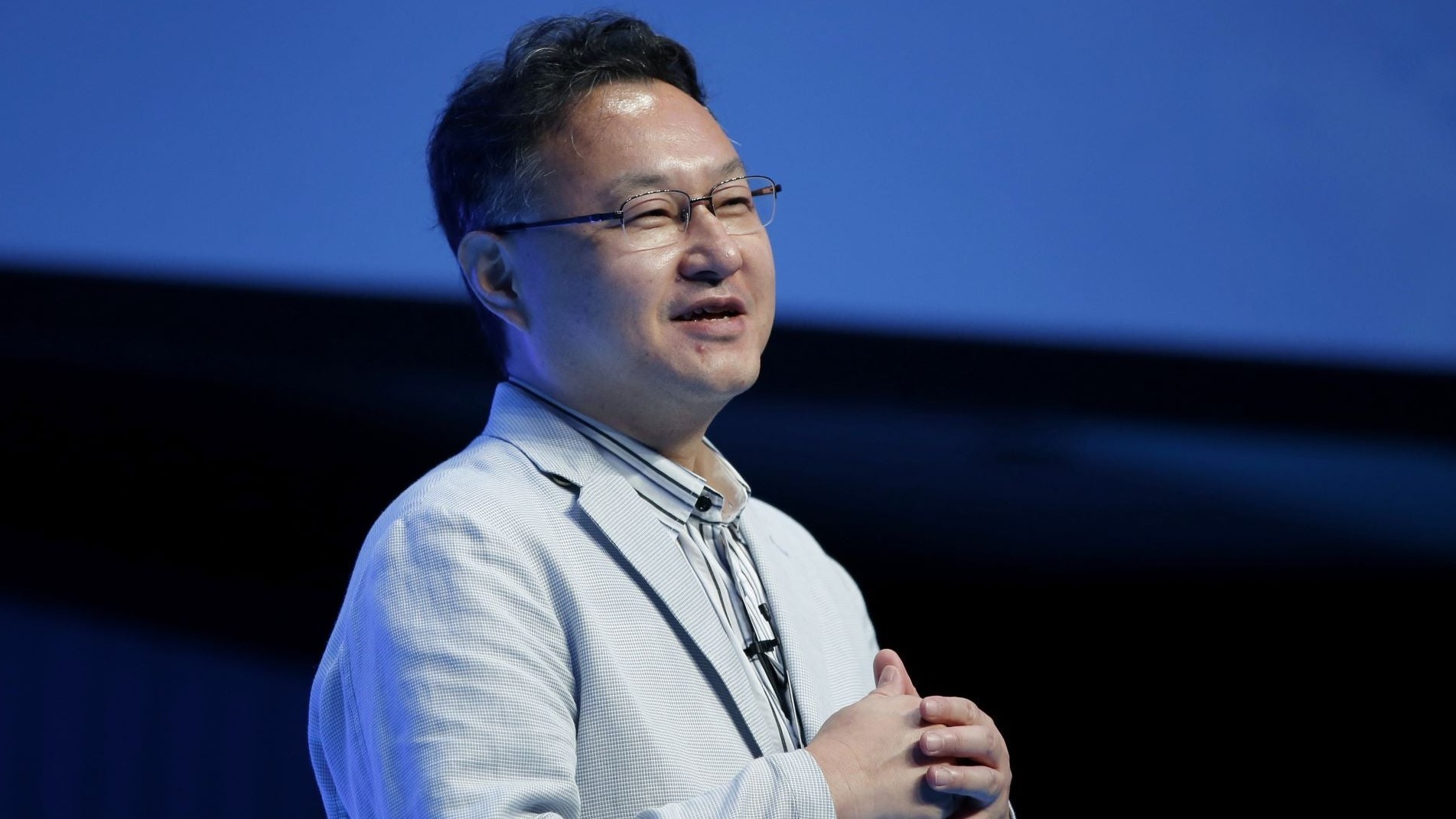
Best 22 Video Games According to Shuhei Yoshida
Gaming
22 Video Games You Absolutely Have to Play, According to PlayStation's Godfather
Shroud X Hytale
Entertainment
"No Way This Game Is In A Playable State Right Now" - Shroud Won’t Play Hytale For At Least 2 Years
Snow White 2025 cropped processed by imagy
Entertainment
15 Woke Movies Where Hollywood Tried To Force Inclusion Down Our Throats
Cropped The Substance
Entertainment
Top 20 Great Movies That Made Audiences Walk Out
Kai cenat reading
Entertainment
Kai Cenat Posts Book-Content: Streamer Wants To Be More Articulate
Cropped Robert Downey Jr Tony Stark
TV Shows & Movies
15 Times Actors Were Fired From Movies
Jake Paul
Entertainment
Jake Paul Plans Luxury Project: Private Airstrip And Racetrack On Mega Ranch
Pluribus Carols wife cropped processed by imagy
Entertainment
15 TV Shows Where Inclusion Was Done Right
The 5th Wave
TV Shows & Movies
The 25 Best Movies With Horrible Reviews
Finn Rise of the Skywalker cropped processed by imagy
Entertainment
The 15 Most Useless Movie Characters
Macaulay Culkin
Entertainment
Who Were the Highest Paid Actors of 90s?
  • All Entertainment
  • Videos
  • News
  • Home

Subscribe to our Newsletter

Sign up for selected EarlyGame highlights, opinions and much more

About Us

Discover the world of esports and video games. Stay up to date with news, opinion, tips, tricks and reviews.
More insights about us? Click here!

Links

  • Affiliate Links
  • Privacy Policy
  • Impressum and Disclaimer
  • Advertising Policy
  • Our Editorial Policy
  • About Us
  • Authors
  • Ownership

Partners

  • Kicker Logo
  • Efg esl logo
  • Euronics logo
  • Porsche logo
  • Razer logo

Charity Partner

  • Laureus sport for good horizontal logo

Games

  • Gaming
  • Entertainment
  • TV Shows & Movies
  • EA FC
  • Fortnite
  • League of Legends
  • Codes
  • Mobile Gaming
  • Videos
  • Call of Duty
  • Rocket League
  • APEX
  • Reviews
  • Galleries
  • News
  • Your Future

Links

  • Affiliate Links
  • Privacy Policy
  • Impressum and Disclaimer
  • Advertising Policy
  • Our Editorial Policy
  • About Us
  • Authors
  • Ownership
  • Copyright 2026 © eSports Media GmbH®
  • Privacy Policy
  • Impressum and Disclaimer
  • Update Privacy Settings
English
English
  • English
  • German
  • Spanish
  • EarlyGame india