













• EarlyGame PLUS top logo
  • Join to get exclusive perks & news!
English
    • News
    • Guides
    • Gaming
      • Fortnite
      • League of Legends
      • EA FC
      • Call of Duty
      • Reviews
    • TV & Movies
    • Codes
      • Mobile Games
      • Roblox Games
      • PC & Console Games
    • Videos
    • Forum
    • Careers
    • EarlyGame+
  • Login
  • Homepage My List Settings Sign out
  • News
  • Guides
  • Gaming
    • All Gaming
    • Fortnite
    • League of Legends
    • EA FC
    • Call of Duty
    • Reviews
  • TV & Movies
  • Codes
    • All Codes
    • Mobile Games
    • Roblox Games
    • PC & Console Games
  • Videos
  • Forum
  • Careers
  • EarlyGame+
Game selection
Kena
Gaming new
Enterianment CB
ENT new
TV Shows Movies Image
TV shows Movies logo 2
Fifa stadium
Fc24
Fortnite Llama WP
Fortnite Early Game
LOL 320
Lo L Logo
Codes bg image
Codes logo
Smartphonemobile
Mobile Logo
Videos WP
Untitled 1
Cod 320
Co D logo
Rocket League
Rocket League Text
Apex 320
AP Ex Legends Logo
DALL E 2024 09 17 17 03 06 A vibrant collage image that showcases various art styles from different video games all colliding together in a dynamic composition Include element
Logo
Logo copy
GALLERIES 17 09 2024
News 320 jinx
News logo
More EarlyGame
Esports arena

Polls

Razer blackhsark v2 review im test

Giveaways

Rocket league videos

Videos

Valorant Tournament

Events

  • Copyright 2026 © eSports Media GmbH®
  • Privacy Policy
  • Impressum and Disclaimer
 Logo
English
  • English
  • German
  • Spanish
  • EarlyGame india
  • Homepage
  • Galleries

15 Movie Franchises That Should Have Stayed Standalone Films

1-15

Nazarii Verbitskiy Nazarii Verbitskiy
Galleries - January 21st 2026, 11:00 GMT+1
Rambo 1982 cropped processed by imagy

15. Rambo (1982)

It started as a bruised, angry character piece about a veteran who can’t switch the war off once he gets home, and that original punch is exactly why the first film works so well on its own. What follows in the franchise gradually trades pain for posture: bigger guns, louder set pieces, cleaner moral math. The tragedy of Rambo is that the earliest story already had a full arc man vs. system, survival as panic, violence as a symptom not a template begging for escalation. Later entries may be crowd-pleasers on their own terms, but they flatten the ambiguity that made the beginning memorable. If the series had stopped at the first film’s raw emotional breakdown, the character might’ve remained a cautionary figure instead of a brand mascot. | © Orion Pictures

Saw

13. Saw (2004)

The original movie is basically a pressure cooker: two men, one room, one cruel idea that tightens with every revelation. That kind of clean, self-contained nightmare doesn’t need a mythology spreadsheet to stay effective, yet the sequels kept piling on lore, apprentices, timelines, and reversals until the simplicity was buried. With Saw, the early appeal wasn’t just the twist it was the nasty elegance of the setup and the feeling that you’d been trapped in the same logic as the characters. Franchise expansion turned that into a puzzle-box soap opera, and the shocks started competing with continuity instead of dread. As a standalone, the first film is lean and nasty; as a long-running series, it often feels like it’s explaining itself when it should be unsettling you. | © Lions Gate Films

Dumb and Dumber

14. Dumb and Dumber (1994)

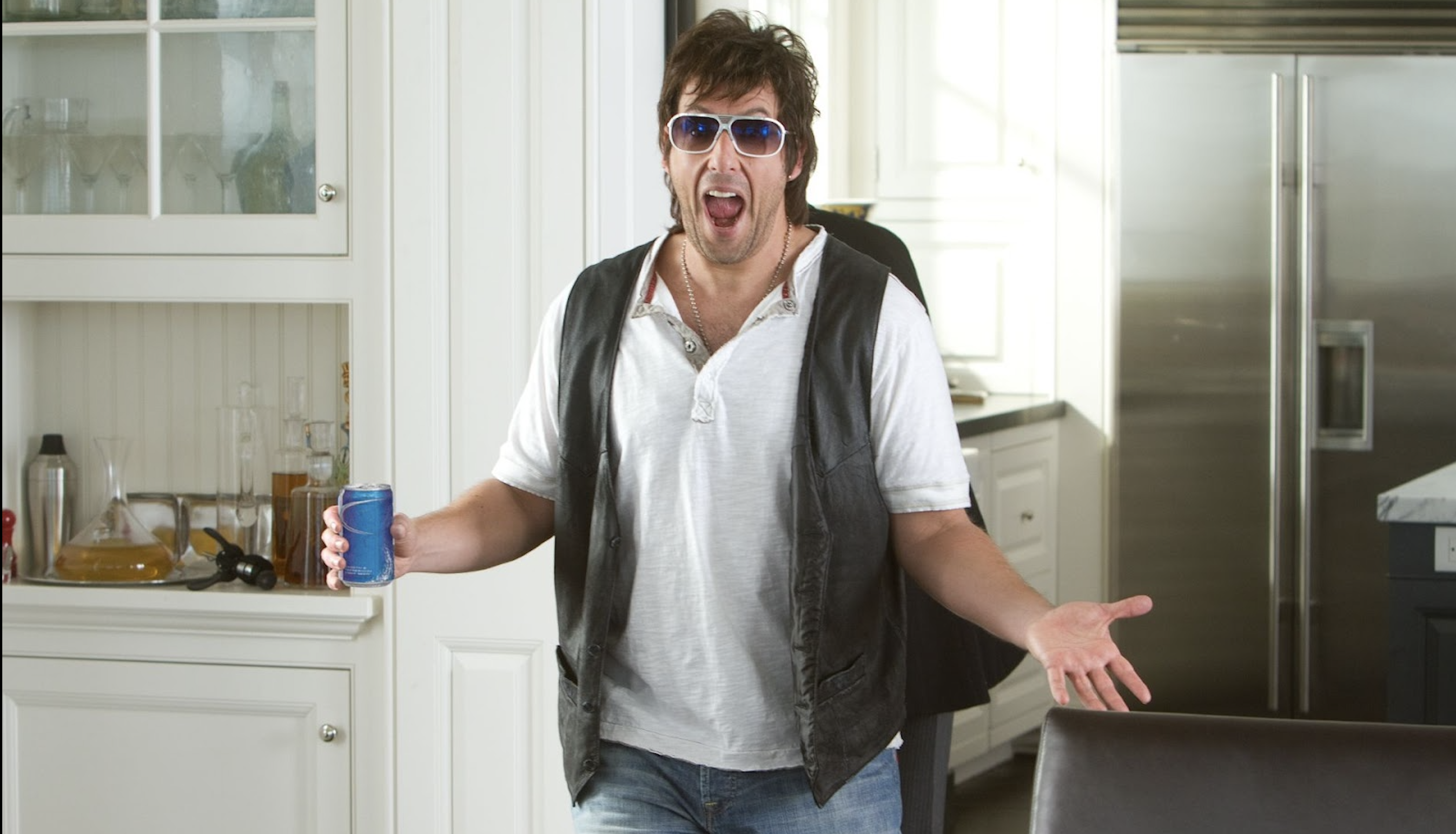
The first movie hits like a perfect dumb joke told with total conviction two guys too optimistic to notice the world hates their plan, and somehow you root for them anyway. The problem with building a franchise around that lightning is that you can’t “advance” stupidity without turning it into noise, and the follow-ups kept chasing the same high with diminishing comedic returns. Dumb and Dumber works because it’s a complete road-trip spiral: the friendship, the escalating bad decisions, the sweet innocence under the idiocy. Once you start revisiting the characters as a brand, the charm risks curdling into repetition, and the comedy becomes more about doing the bit again than discovering new ways to break it. One clean classic would’ve preserved the cult magic without the aftertaste. | © New Line Cinema

Men in Black

11. Men in Black (1997)

A tight buddy dynamic, a sharp high-concept hook, and a world that feels enormous without needing a lecture that’s the entire trick, and the first film nails it. After that, the franchise keeps trying to recreate the same cocktail: oddball aliens, memory wipes, quippy banter, and a case that’s “bigger than ever,” even when the emotional center gets thinner. What made Men in Black special was its balance of cool and weird, plus the chemistry that made every deadpan line feel effortless. Sequels and spin-offs can still be fun in bursts, but the more you expand the concept, the less mysterious it becomes and mystery is half the charm. The original told a complete story while leaving just enough unseen to make the world feel alive. | © Columbia Pictures

The Crow

12. The Crow (1994)

Grief, rage, romance, and a stormy, stylized cityscape this movie already feels like a finished poem, sealed shut with its own mood. The later attempts to continue the saga mostly misunderstand what audiences connected with: it wasn’t “a cool revenge guy,” it was the specific melancholy tone, the gothic sincerity, and the ache beneath the violence. The Crow stands alone because it’s built around a singular vibe that doesn’t franchise neatly; once you try to repeat it, you’re left copying surface elements without the emotional electricity. The sequels couldn’t replicate the atmosphere or the mythic simplicity, and each new installment made the original feel even more untouchable by comparison. Some films are meant to remain a solitary monument, not a series of echoes. | © Miramax Films

Cars 2

9. Cars (2006)

What made the first one click wasn’t the merchandise potential it was the surprisingly quiet, dusty heart under the chrome. Radiator Springs works as a self-contained fable about slowing down, finding community, and realizing the finish line isn’t the point. Once the sequels arrived, the focus drifted toward bigger world-building and louder antics, and the original’s small-town warmth got diluted by franchise obligations. Cars didn’t need an expanded mythology to justify itself; it already had a complete arc for Lightning McQueen that felt earned and emotionally tidy. The follow-ups have their fans, but they turn a simple story with a gentle moral into a brand ecosystem, and you can feel the difference in how the movies breathe. That first film’s charm lives in its restraint something sequels rarely get rewarded for keeping. | © Pixar Animation Studios

Highlander II

10. Highlander (1986)

It’s hard to top an ending that literally tells you the story is over and then actually feels like it. The first film builds its mythology with confidence, delivers a sleek fantasy-romance vibe, and closes the loop in a way that plays like a final note rather than a cliffhanger. The trouble is that continuing Highlander means reopening a door the original shut firmly, which is why later entries had to contort the lore and rewrite the rules just to keep the premise running. The result isn’t simply “more Highlander,” it’s a different thing entirely messier, noisier, and often at war with what made the first one satisfying. When a movie ends with that kind of definitive triumph, stretching it into a franchise can feel like arguing with the script. The mythology was strong; the need for sequels wasn’t. | © Highlander Productions Limited

Cropped Pirates of the Caribbean The Curse of the Black Pearl

7. Pirates Of The Caribbean (2003)

The first adventure is a rare blockbuster that feels effortless: a swashbuckling plot that moves like a ride, a romance that grounds the chaos, and a wildcard pirate who steals scenes without breaking the story. After that, the series kept inflating more myth, more monsters, more plot threads until the charm got buried under the weight of its own lore. The genius of Pirates Of The Caribbean is that it doesn’t over-explain itself; it just throws you into the mayhem and lets character carry the momentum. Sequels can deliver set pieces, sure, but they also turn spontaneity into formula, and Jack Sparrow works best as a surprise, not a requirement. That first film already felt like a complete night at the movies fun, romantic, and satisfyingly wrapped. | © Walt Disney Pictures

Jaws

8. Jaws (1975)

What’s so perfect about the original is how contained it is: one town, one threat, three men on a boat, and a slow burn that turns water into pure anxiety. The movie builds to a climax that feels definitive, not because every question is answered, but because the fear has been confronted and paid for in full. Trying to continue Jaws means chasing a kind of lightning that was never just “shark attacks” it was pacing, atmosphere, and that tightening sense of dread that made every ripple suspicious. Later installments could repeat the premise, but they couldn’t recreate the alchemy of restraint, character tension, and Spielberg’s control of suspense. The first film stands as a complete thriller with a clean arc and an iconic finish; everything after it plays like an echo in a larger, emptier ocean. | © Universal Pictures

Predator

5. Predator (1987)

It begins like a macho action movie and then pulls the rug out, turning muscle-bound confidence into prey anxiety an elegant genre trick that doesn’t need sequels to justify it. The original works because it’s a closed hunting story with a clear escalation: the team gets dismantled, the rules shift, and one survivor adapts hard enough to earn the final showdown. Expanding Predator into a franchise often means explaining what’s scarier when it’s unknown, and once you start mapping out rules, hierarchies, and lore, the primal simplicity softens. The first film’s power is how direct it is: jungle heat, invisible threat, a hero stripped down to instincts. Later entries have good moments, but the concept was already a perfect one-and-done clean, brutal, and memorable without needing a mythology bible. | © 20th Century Fox

Transformers

6. Transformers (2007)

Watching giant robots level a city is only half the appeal the real hook was how cleanly the first film balanced spectacle with discovery. The humans have a straightforward “what the hell is happening?” arc, the Autobots arrive with personality, and the mythology is teased without turning into homework. Once the sequels kicked in, the series started chasing escalation for its own sake: louder chaos, busier lore, and diminishing room for character moments to land. Transformers already delivered a satisfying “first contact” blockbuster with a beginning, middle, and end; it didn’t need to become an endless arms race of bigger explosions and messier continuity. The franchise kept selling the same rush, but the original’s novelty and clarity were the part worth preserving. | © Paramount Pictures

Pacific Rim

3. Pacific Rim (2013)

It’s rare to get a monster movie that feels this lovingly hand-built, like every frame is a love letter to kaiju and mecha fandom without winking it into parody. The first film’s magic comes from commitment: weighty robots, stormy oceans, and a world that treats the apocalypse like a job with bruises and bureaucracy. When it turned into a franchise, that specific flavor Guillermo del Toro’s earnestness and gothic texture became harder to keep intact, especially as follow-ups chased a lighter tone and a different kind of slickness. Pacific Rim works as a complete myth: humanity backs itself into a corner, builds the impossible, and wins by teamwork and sacrifice. That’s a full meal, not an appetizer begging for sequels. | © Legendary Pictures

Taken

4. Taken (2008)

A ticking-clock thriller lives on precision, and the original nailed it with ruthless efficiency short scenes, clear stakes, and a protagonist whose skill set is terrifyingly specific. The first movie’s power isn’t just Liam Neeson’s intensity; it’s how the story keeps narrowing, like a vice tightening one turn at a time. Expanding that into multiple films turns the central concept into repetition, because the formula can only be “kidnapping leads to rampage” so many times before it stops feeling urgent and starts feeling routine. Taken already had a complete emotional endpoint: rescue accomplished, damage done, and a relationship changed by the violence required to save it. The sequels didn’t deepen that wound so much as re-open it on a schedule. | © EuropaCorp

The Matrix

1. The Matrix (1999)

The original film ends with a grin and a promise the hero finally sees the code, the world feels crackable, and the story lands on a clean, electric high. That’s why the franchise question was always tricky: how do you follow an ending that already feels like the mic drop? What made The Matrix timeless wasn’t just bullet time or leather coats; it was the tight philosophical puzzle, the noir-ish mood, and the way every action beat doubled as an idea. Later entries expanded the mythology, raised the stakes, and layered on more explanation, which can be fun but also less mysterious. As a standalone, it’s a perfect closed loop: question reality, wake up, fight back, win your mind. The moment you keep going, you risk turning that sharp fable into a sprawling lecture. | © Warner Bros. Pictures

The Lion King

2. The Lion King (1994)

One of the reasons the story hits so hard is that it doesn’t overstay: rise, fall, exile, return clean, mythic, and emotionally complete. The soundtrack is baked into people’s memory, the comedy never breaks the drama, and the circle closes in a way that feels earned rather than convenient. When the property became a franchise, the follow-ups and extensions inevitably had to invent new stakes beyond a conclusion that already felt definitive. The Lion King doesn’t need extra chapters to “continue” Simba’s journey, because the film’s real journey is about identity and responsibility and it resolves that arc with surgical clarity. Sometimes the most powerful sequel is just rewatching the original and realizing it still lands exactly where it’s supposed to. | © Walt Disney Pictures

1-15

Some movies leave you with that perfect, sealed feeling like the story snapped shut at exactly the right moment. You can replay it, quote it, argue about it, and still there’s nothing missing, nothing begging for an extra chapter.

Hollywood doesn’t love sealed endings. A hit becomes a “universe,” a neat arc turns into a roadmap, and the follow-ups start bargaining with the very thing that made the original special. The result isn’t always a disaster just a slow dilution, sequel by sequel.
  • Facebook X Reddit WhatsApp Copy URL

Some movies leave you with that perfect, sealed feeling like the story snapped shut at exactly the right moment. You can replay it, quote it, argue about it, and still there’s nothing missing, nothing begging for an extra chapter.

Hollywood doesn’t love sealed endings. A hit becomes a “universe,” a neat arc turns into a roadmap, and the follow-ups start bargaining with the very thing that made the original special. The result isn’t always a disaster just a slow dilution, sequel by sequel.
Related News

More
Immortals of Aveum
Gaming
20 Great Video Games That Didn’t Sell Well at Launch
George Clooney
Entertainment
15 Hollywood Celebrities Who Openly Embrace Atheism
Cropped The Shawshank Redemption
Galleries
15 Best Movies That Represent The Peak Of Their Genre
Tony Shalhoub
Entertainment
15 Actors Who Refused To Play Villains Because Of Typecasting
Top 20 Movie Based Video Games of All Time
Gaming
Top 20 Movie-Based Video Games of All Time
Revenge of the Nerds
TV Shows & Movies
15 Movies That Could Never Be Made Today
Cropped Red Faction
Gaming
15 Video Games That Were Ahead of Their Time
Tiny Tinas Wonderlands Season Pass
Gaming
Top 20 Worst Video Game DLCs And Expansions Of All Time
Cropped Nimona
Entertainment
15 Movies Where Inclusion Was Done Right
Best 22 Video Games According to Shuhei Yoshida
Gaming
22 Video Games You Absolutely Have to Play, According to PlayStation's Godfather
Snow White 2025 cropped processed by imagy
Entertainment
15 Woke Movies Where Hollywood Tried To Force Inclusion Down Our Throats
Cropped The Substance
Entertainment
Top 20 Great Movies That Made Audiences Walk Out
  • All Galleries
  • Home

Subscribe to our Newsletter

Sign up for selected EarlyGame highlights, opinions and much more

About Us

Discover the world of esports and video games. Stay up to date with news, opinion, tips, tricks and reviews.
More insights about us? Click here!

Links

  • Affiliate Links
  • Privacy Policy
  • Impressum and Disclaimer
  • Advertising Policy
  • Our Editorial Policy
  • About Us
  • Authors
  • Ownership

Partners

  • Kicker Logo
  • Efg esl logo
  • Euronics logo
  • Porsche logo
  • Razer logo

Charity Partner

  • Laureus sport for good horizontal logo

Games

  • Gaming
  • Entertainment
  • TV Shows & Movies
  • EA FC
  • Fortnite
  • League of Legends
  • Codes
  • Mobile Gaming
  • Videos
  • Call of Duty
  • Rocket League
  • APEX
  • Reviews
  • Galleries
  • News
  • Your Future

Links

  • Affiliate Links
  • Privacy Policy
  • Impressum and Disclaimer
  • Advertising Policy
  • Our Editorial Policy
  • About Us
  • Authors
  • Ownership
  • Copyright 2026 © eSports Media GmbH®
  • Privacy Policy
  • Impressum and Disclaimer
  • Update Privacy Settings
English
English
  • English
  • German
  • Spanish
  • EarlyGame india