






• EarlyGame PLUS top logo
  • Join to get exclusive perks & news!
English
    • News
    • Guides
    • Gaming
      • Codes
      • League of Legends
    • Creators
    • Entertainment
    • Careers
    • EarlyGame+
  • Login
  • Homepage My List Settings Sign out
  • News
  • Guides
  • Gaming
    • All Gaming
    • Codes
    • League of Legends
  • Creators
  • Entertainment
  • Careers
  • EarlyGame+
Game selection
Kena
Gaming new
Enterianment CB
ENT new
Influencer 5229646 640
TV Shows Movies Image
TV shows Movies logo 2
Fifa stadium
Fc24
Fortnite Llama WP
Fortnite Early Game
LOL 320
Lo L Logo
Codes bg image
Codes logo
Smartphonemobile
Mobile Logo
Videos WP
Untitled 1
Cod 320
Co D logo
Rocket League
Rocket League Text
Apex 320
AP Ex Legends Logo
DALL E 2024 09 17 17 03 06 A vibrant collage image that showcases various art styles from different video games all colliding together in a dynamic composition Include element
Logo
Logo copy
GALLERIES 17 09 2024
News 320 jinx
News logo
More EarlyGame
Esports arena

Polls

Razer blackhsark v2 review im test

Giveaways

Rocket league videos

Videos

Valorant Tournament

Events

  • Copyright 2026 © eSports Media GmbH®
  • Privacy Policy
  • Impressum and Disclaimer
 Logo
English
  • English
  • German
  • Spanish
  • EarlyGame india
  • Homepage
  • Gaming

15 Video Games That Were Censored, or Banned in Different Countries

1-15

Ignacio Weil Ignacio Weil
Gaming - March 11th 2026, 15:30 GMT+1
Call of duty modern warfare 2 no russian cropped processed by imagy

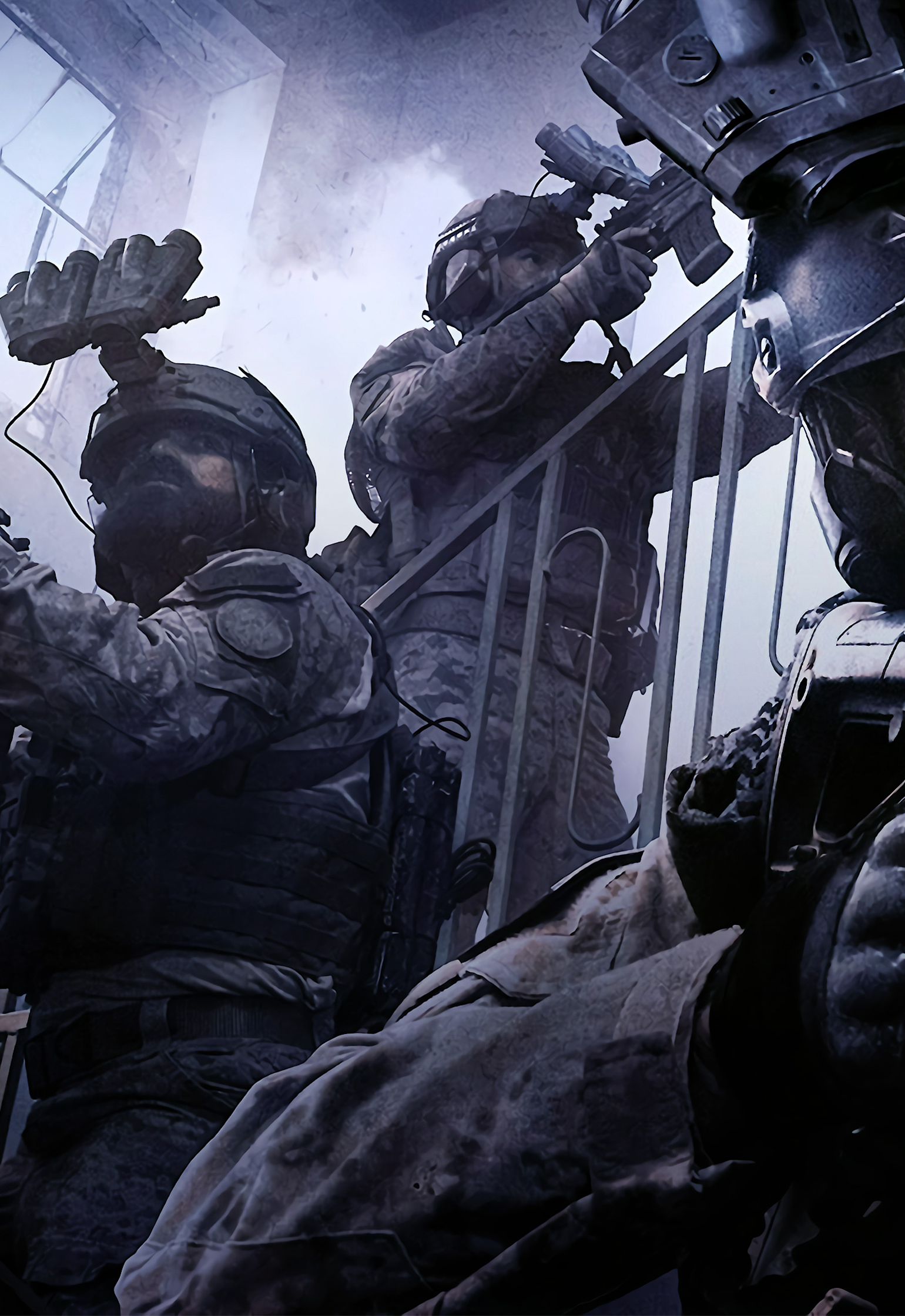
15. Call of Duty: Modern Warfare 2 (2009) – Russia removed “No Russian,” while Germany and Japan altered it

Some censorship stories live forever because the material was already designed to make people uneasy, and the airport massacre in this campaign was always going to trigger alarms somewhere. Russia ended up with a version that removed the mission entirely, while Germany and Japan kept the sequence but changed it so shooting civilians could fail the level instead of letting players push through it. That matters because the controversy around Call of Duty: Modern Warfare 2 was never just about violence in the abstract; it was about participation, and whether a blockbuster shooter should let players stand inside a terrorist attack at all. Once different countries started drawing different lines around the same mission, the game stopped being one global release and became a patchwork of moral compromises. | © Activision

Manhunt 2 cropped processed by imagy

14. Manhunt 2 (2007) – The UK banned it over extreme violence and “casual sadism”

What made the backlash here so explosive was that the violence was not treated as flashy excess or dark comedy, but as the entire atmosphere of the game. The BBFC refused to classify the game in the UK, arguing that its executions, tone, and overall design created a sustained sense of “casual sadism” that crossed the line even for an adults-only release. That wording stuck because it sounded harsher than the usual hand-wringing around violent games; it suggested something colder and uglier than simple gore. Even after edits and appeals, the reputation never really loosened its grip, and that is a big reason Manhunt 2 still comes up whenever people talk about games that censorship boards genuinely feared. | © Rockstar Games

Fallout 3

13. Fallout 3 (2008) – Australia objected to real-world drug references like morphine

Australia’s problem with this RPG was not the wasteland violence, the mutant horror, or the general moral collapse of its setting. What triggered the initial refusal was the use of a real-world drug reference tied to an in-game item, and the fix ended up changing the release everywhere, not just in one market. Bethesda swapped “morphine” for the fictional “Med-X,” which means Fallout 3 became one of those rare cases where a local classification fight quietly reshaped the global version too. There is something almost funny about that in retrospect: the apocalypse stayed intact, but one bit of drug terminology was apparently where the real trouble started. It is a small edit on paper, yet a perfect example of how censorship can ripple outward far beyond the country that first objected. | © Bethesda Softworks

Left 4 dead 2 msn

12. Left 4 Dead 2 (2009) – Australia first refused it, then got a modified version

Australia did not simply say no to this zombie shooter and move on; the more interesting part is that the game came back in a toned-down form before the uncensored version was eventually allowed years later. The initial refusal was followed by a modified release that removed or reduced chunks of gore so the game could land under the country’s stricter classification setup at the time. That gave the local edition a strange identity, because the appeal of the whole thing was its frantic messiness, not a cleaner and more presentable zombie apocalypse. When the uncensored release finally became available later on, it felt less like a new port and more like the version people had assumed Left 4 Dead 2 should have been in the first place. | © Valve

Saints Row IV

11. Saints Row IV (2013) – Australia forced changes over drug rewards and sexual content

Trying to shock people was already part of this series’ brand, so it almost feels inevitable that one entry finally crashed headfirst into a ratings wall. Australia refused classification after objecting to content involving drug use tied to player rewards, along with sexual material that pushed the game beyond what the board would accept, and the release only moved forward after a modified version was submitted. That history fits the game perfectly, because Saints Row IV was built on escalation, on the idea that every joke and every weapon should go one step too far. In most places that was just part of the sell. In Australia, it meant the local version had to be negotiated into existence before it could legally hit shelves. | © Deep Silver

Disco Elysium

10. Disco Elysium: The Final Cut (2021) – Australia first refused it over drug-use concerns

Australia’s classification fight with this one was never about cheap shock value or some stray bit of gore that wandered too far. The problem was how the game handled drug references and player incentives, which initially pushed it into refused-classification territory before a review board reversed that call and allowed it through with an adults-only rating. What makes the case interesting is that the later decision hinged on nuance: the board accepted that substance use in the game also comes with negative consequences rather than being framed as a simple reward loop. That is a very specific kind of argument, and not the sort of thing most people imagine when they think of game censorship. It left behind one of the stranger Australian classification stories of the last few years in Disco Elysium: The Final Cut. | © ZA/UM

South Park The Stick of Truth

9. South Park: The Stick of Truth (2014) – Ubisoft replaced cut scenes with title cards in several regions

This was not one of those cases where a publisher quietly snipped a few seconds and hoped nobody would notice. Ubisoft removed several scenes involving abortion material and more for certain regional releases, then replaced them with static cards and explanatory text, which somehow made the censorship feel even more obvious. The joke, if there was one, is that the game still looked proudly filthy and juvenile everywhere else, so those missing chunks became impossible to ignore once players realized different countries were getting different versions of South Park: The Stick of Truth. Europe, Russia, Australia, and Germany did not all receive the same treatment, but the overall result was the same: a game built on bad taste ended up wearing its edits like a badge. It is hard to think of many censorship stories where the missing content was practically turned into part of the punchline. | © Ubisoft

Wolfenstein II The New Colossus

8. Wolfenstein II: The New Colossus (2017) – Germany altered Nazi symbols and Hitler’s appearance

German censorship used to force a very specific kind of awkwardness onto historical shooters, especially when Nazi imagery was central to the setting rather than incidental decoration. Before the rules changed in 2018, local versions had to strip out swastikas, rework slogans, and even soften the visual identity of Hitler himself, which is why players noticed that Wolfenstein II: The New Colossus arrived there with altered symbols and a dictator who looked conspicuously less like the real one. There is something almost absurd about watching a game built around killing Nazis bend itself into legal shape by pretending its Nazis are not quite Nazis. Yet that was the reality of selling this kind of material in Germany for years, even when the game’s politics were clearly anti-fascist rather than celebratory. The local release became a perfect snapshot of how blunt legal rules can produce some very strange art-direction compromises. | © Bethesda Softworks

Cropped Grand Theft Auto San Andreas

7. Grand Theft Auto: San Andreas (2004) – Australia revoked its rating after the “Hot Coffee” scandal

Plenty of games have been accused of going too far, but this one managed to get itself effectively knocked off shelves because of content players were not even supposed to access in normal play. After the “Hot Coffee” controversy exposed hidden sexual material in the game files, Australia revoked the classification it had already granted, which meant the title could no longer be sold until a cleaned-up version returned. That turned the whole situation into more than a standard ratings dispute, because the argument was no longer about what the game openly showed but about what was sitting on the disc in the first place. The scandal also gave the story a kind of permanent notoriety that went well beyond one country’s decision, since it fed into wider panic around regulation, disclosure, and Rockstar’s appetite for provocation. By the time the edited release came back, the damage was already part of the legend of Grand Theft Auto: San Andreas. | © Rockstar Games

Battlefield 4

6. Battlefield 4 (2013) – China banned it over national-security concerns and China Rising

Battlefield 4 did not run into trouble in China because of random gore or a passing political joke; it was banned because authorities said it threatened national security and objected to the way the game and its China Rising expansion handled the country. State criticism around the time of the ban accused it of discrediting China’s image and misleading young people, which is about as direct as this kind of backlash gets. That made the whole thing bigger than a normal market-access problem, because the issue was not simply whether the game was violent, but whether its premise crossed into hostile propaganda from the government’s point of view. Military shooters love borrowing the language of global crisis, but sometimes that fantasy collides with a real government that does not appreciate being cast as the problem. | © Electronic Arts

Animal Crossing New Horizons

5. Animal Crossing: New Horizons (2020) – China pulled it from major online marketplaces after protest use

A cozy life sim is about the last place you would expect a political flashpoint, which is exactly why this case stuck. After Hong Kong activists began using Animal Crossing: New Horizons to share protest slogans and images on custom in-game islands, listings for the game and related merchandise started disappearing from major Chinese e-commerce platforms. The title was never part of a normal, officially approved mainland release anyway, so what vanished was the gray-market route players had been relying on. That gave the whole episode a strangely modern feel: not a dramatic courtroom ban, but a quiet digital squeeze that made access harder the moment the game became politically useful. For a series built on debt-free charm, fruit trees, and decorating furniture, it turned into an unexpectedly sharp example of how quickly even the gentlest game can become inconvenient. | © Nintendo

Plague Inc

4. Plague Inc. (2012) – China removed it from the App Store over “illegal content”

Timing did a lot of the damage here. Plague Inc. surged in popularity in China during the early months of the coronavirus outbreak, which made its premise suddenly feel less like a clever strategy hook and more like something regulators were no longer comfortable having climb the charts. The developer said Chinese authorities determined the game contained illegal content, and that was enough to get it removed from the local App Store without much public detail beyond that. What makes the story linger is how vague the official explanation was compared with how obvious the broader context looked from the outside. A game about designing a global pandemic became too sensitive for one of the world’s biggest markets at the exact moment real life started resembling the pitch. | © Ndemic Creations

PUBG BATTLEGROUNDS

3. PUBG Mobile (2018) – India banned it during its wider crackdown on Chinese apps

There are bans driven by gore, bans driven by explicit content, and then there are bans driven by geopolitics, which is where this one lands. India blocked the game in the middle of a much larger crackdown on Chinese-linked apps after deadly border tensions with China, wrapping the decision in language about sovereignty, security, and public order. That instantly made the story bigger than one massively popular battle royale, because millions of players suddenly found themselves cut off from a daily habit that had become part game, part social hangout. The scale of the reaction showed how deeply embedded the app had become before the government pulled the plug. What disappeared was not just another shooter, but a national routine built around PUBG Mobile. | © Tencent Games

Battlefield 3 2011 cropped processed by imagy

2. Battlefield 3 (2011) – Iran reportedly banned distribution over its Tehran invasion plot

Military shooters love borrowing real places for fictional wars, but some locations are never going to shrug that off as harmless entertainment. In Battlefield 3, one of the campaign’s major hooks involves fighting through Tehran as part of a U.S.-led military assault, and Iranian authorities reportedly responded by banning distribution and cracking down on shops selling copies. The wrinkle here is that the game was not part of a clean official retail pipeline in the country to begin with, which makes the case messier than a standard shelf ban. Even so, the reaction was strong enough to become one of the clearest examples of a government objecting to the political fantasy inside a blockbuster shooter rather than just its violence. When a game turns your capital city into a battlefield, local sensitivity is not exactly hard to predict. | © Electronic Arts

Final Fantasy XVI 2023 cropped processed by imagy

1. Final Fantasy XVI (2023) – Saudi Arabia blocked it after Square Enix refused changes

What makes this case interesting is how little Saudi authorities publicly explained compared with how blunt the outcome was. The official line was that the publisher refused to make the necessary modifications, which left the game unreleased in the Kingdom and turned the missing details into part of the story. That kind of vagueness tends to create even more attention, because people immediately start reading the mature content, sexual material, and darker themes for clues about what crossed the line in Final Fantasy XVI. Square Enix never reshaped the release just to get past local requirements, so the result was not an edited version but no version at all. Sometimes censorship leaves behind an alternate cut; sometimes it leaves behind a blank space where one of the year’s biggest RPGs should have been. | © Square Enix

1-15

Video games love to sell the fantasy of a global launch, as if everyone opened the same box and got the same experience. That has never really been true. In one country, the blood disappears; in another, a symbol gets scrubbed off the screen; somewhere else, the game does not make it to shelves at all.

What survives is a strange trail of alternate versions hiding behind identical titles. The logo stays the same, but the actual game can come out shorter, cleaner, politically safer, or simply unavailable, which says a lot about how often local laws and cultural panic have quietly rewritten gaming history.
  • Facebook X Reddit WhatsApp Copy URL

Video games love to sell the fantasy of a global launch, as if everyone opened the same box and got the same experience. That has never really been true. In one country, the blood disappears; in another, a symbol gets scrubbed off the screen; somewhere else, the game does not make it to shelves at all.

What survives is a strange trail of alternate versions hiding behind identical titles. The logo stays the same, but the actual game can come out shorter, cleaner, politically safer, or simply unavailable, which says a lot about how often local laws and cultural panic have quietly rewritten gaming history.
Related News

More
PS Store Dynamic Pricing
Gaming
Sony Experiments With Dynamic Pricing In The PlayStation Store
Herobrine Minecraft 2011
Gaming
15 Urban Video Game Legends We All Believed Were True
Telltales Game of Thrones
Gaming
“Choices Matter” Games Where Your Choices Actually Don’t Matter
Before Sunrise
TV Shows & Movies
25 Movies You Knew Were Masterpieces in the First 10 Minutes
Chadwick Boseman in Ma Raineys Black Bottom
TV Shows & Movies
15 Actors Who Got Fired From Dream Roles
Final fantasy remake intergrade biggs
Gaming
Top 15 Biggest Plot Holes in Video Game History
Tron Legacy 2010
Entertainment
Olivia Wilde’s 15 Best Movie Roles, Ranked From Worst to Best
Cropped Halo 2
Gaming
The Most Influential Video Games of All Time
Bill Murray Groundhog Day cropped processed by imagy
Entertainment
15 Actors Who Publicly Feuded With Directors (and the Movie Still Got Made)
Cyberpunk 2077
Gaming
The 25 Best Single-Player Games of the 15 Years
Ser Duncan the Tall cropped processed by imagy
Entertainment
Top 15 Warriors in the Game of Thrones TV Universe
Cropped Portada
Gaming
20 Failed Video Game Franchises That Never Lived Up to the Hype
  • All Gaming
  • Videos
  • News
  • Home

Subscribe to our Newsletter

Sign up for selected EarlyGame highlights, opinions and much more

About Us

Discover the world of esports and video games. Stay up to date with news, opinion, tips, tricks and reviews.
More insights about us? Click here!

Links

  • Affiliate Links
  • Privacy Policy
  • Impressum and Disclaimer
  • Advertising Policy
  • Our Editorial Policy
  • About Us
  • Authors
  • Ownership

Partners

  • Kicker Logo
  • Efg esl logo
  • Euronics logo
  • Porsche logo
  • Razer logo

Charity Partner

  • Laureus sport for good horizontal logo

Games

  • Gaming
  • Entertainment
  • Creators
  • TV Shows & Movies
  • EA FC
  • Fortnite
  • League of Legends
  • Codes
  • Mobile Gaming
  • Videos
  • Call of Duty
  • Rocket League
  • APEX
  • Reviews
  • Galleries
  • News
  • Your Future

Links

  • Affiliate Links
  • Privacy Policy
  • Impressum and Disclaimer
  • Advertising Policy
  • Our Editorial Policy
  • About Us
  • Authors
  • Ownership
  • Copyright 2026 © eSports Media GmbH®
  • Privacy Policy
  • Impressum and Disclaimer
  • Update Privacy Settings
English
English
  • English
  • German
  • Spanish
  • EarlyGame india