
















• EarlyGame PLUS top logo
  • Join to get exclusive perks & news!
English
    • News
    • Guides
    • Gaming
      • Codes
      • League of Legends
    • Creators
    • Entertainment
    • Careers
    • EarlyGame+
  • Login
  • Homepage My List Settings Sign out
  • News
  • Guides
  • Gaming
    • All Gaming
    • Codes
    • League of Legends
  • Creators
  • Entertainment
  • Careers
  • EarlyGame+
Game selection
Kena
Gaming new
Enterianment CB
ENT new
Influencer 5229646 640
TV Shows Movies Image
TV shows Movies logo 2
Fifa stadium
Fc24
Fortnite Llama WP
Fortnite Early Game
LOL 320
Lo L Logo
Codes bg image
Codes logo
Smartphonemobile
Mobile Logo
Videos WP
Untitled 1
Cod 320
Co D logo
Rocket League
Rocket League Text
Apex 320
AP Ex Legends Logo
DALL E 2024 09 17 17 03 06 A vibrant collage image that showcases various art styles from different video games all colliding together in a dynamic composition Include element
Logo
Logo copy
GALLERIES 17 09 2024
News 320 jinx
News logo
More EarlyGame
Esports arena

Polls

Razer blackhsark v2 review im test

Giveaways

Rocket league videos

Videos

Valorant Tournament

Events

  • Copyright 2026 © eSports Media GmbH®
  • Privacy Policy
  • Impressum and Disclaimer
 Logo
English
  • English
  • German
  • Spanish
  • EarlyGame india
  • Homepage
  • Gaming

20 Failed Video Game Franchises That Never Lived Up to the Hype

1-20

Ignacio Weil Ignacio Weil
Gaming - March 9th 2026, 23:55 GMT+1
No One Lives Forever 2000 2003

20. No One Lives Forever (2000–2003)

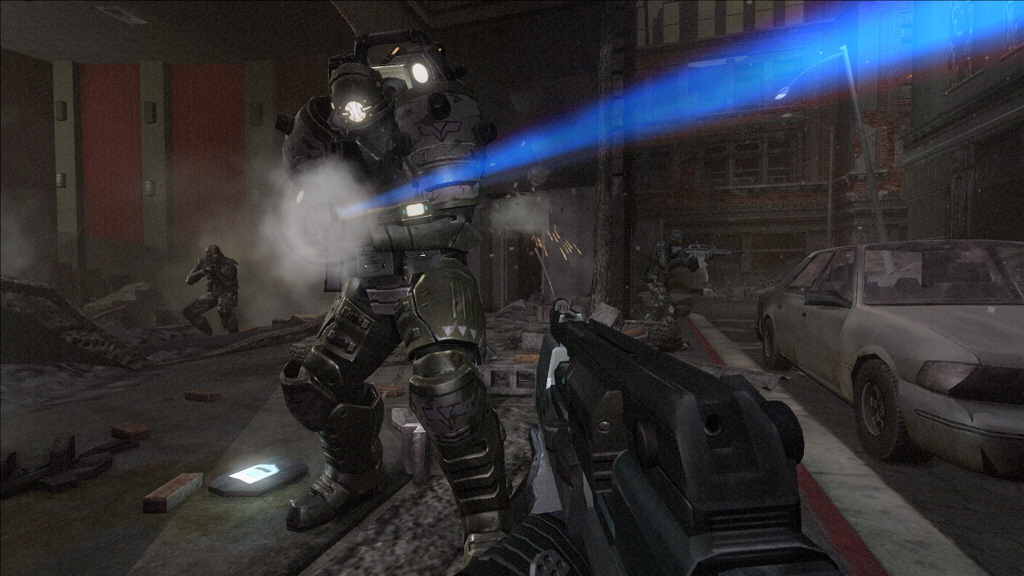
This one hurts for a different reason, because No One Lives Forever didn’t fail from lack of quality. Cate Archer, the spy-movie parody tone, the gadgets, the writing, and the stealth-shooter mix gave the series a personality that still feels distinctive, and critics loved it. In another timeline, this becomes a long-running cult blockbuster with remasters, sequels, and a prestige revival. Instead, the franchise stalled after a short run, and its legacy became tangled up with rights confusion and publishing history rather than momentum or reinvention. That makes it one of the most frustrating entries on this list: a franchise with real hype and real talent behind it, but no lasting runway. | © Monolith Productions / Fox Interactive / Sierra Entertainment

Cropped Ride to Hell

19. Ride to Hell (2013)

Some games fail quietly, and then there’s Ride to Hell, which crashed so loudly it became internet shorthand for a broken franchise launch. The biker-gang premise had obvious exploitation-movie appeal and the kind of rough-edged branding publishers sometimes chase when they want an “adult” action series with attitude. None of that mattered once players got to the actual game, where the technical issues, combat, and overall design were so heavily criticized that the brand’s reputation was basically dead on arrival. Instead of kicking off a gritty cult series, it became a cautionary tale about trying to sell style before the fundamentals are there. The hype wasn’t just unmet – it was obliterated. | © Eutechnyx / Deep Silver

Cropped Rage

18. Rage (2011)

When id Software launches a new shooter IP, expectations are automatically brutal, and RAGE arrived carrying that weight before players even touched it. The tech was a major talking point, the post-apocalyptic setting looked marketable, and the studio pedigree made it seem like the start of another genre staple. What the series never fully secured was a clear identity beyond “a lot of promising parts,” because the gunplay, world design, and overall structure didn’t combine into the kind of must-follow franchise loop audiences latch onto for years. A later sequel proved there was still interest in the name, but not enough to erase the sense that this brand never became what it was supposed to be. It had the launch profile of a giant and the legacy of a near-miss. | © id Software / Bethesda Softworks

Cropped in FAMOUS

17. Infamous (2009–2014)

Sony had all the ingredients for a long-term superhero powerhouse here: flashy powers, open-city chaos, morality choices, and a lead character built for sequel escalation. inFAMOUS delivered strong games and a real fanbase, but it always sat just outside that elite tier where a franchise becomes unavoidable across multiple console generations. Part of the issue is timing and competition, because the series shared space with bigger platform-defining exclusives and never quite owned the cultural spotlight for long. Even when the formula evolved and the production values jumped, it still felt like a very good franchise that never crossed into truly dominant territory. That’s not failure in the quality sense – it’s failure to become as big as the setup suggested. | © Sucker Punch Productions / Sony Computer Entertainment

Cropped Mirrors Edge

16. Mirror's Edge (2008–2016)

For a while, Mirror’s Edge felt like the industry’s favorite “future classic” waiting to happen. The clean art direction, first-person parkour, and sense of speed gave it an identity no one else really had, which is usually the hardest part of building a new franchise in the first place. But the series never fully solved the problem of turning that brilliant movement fantasy into consistently satisfying campaigns and broad audience appeal. When it came back, the name still had prestige, yet the momentum never matched the years of anticipation surrounding it. That leaves Mirror’s Edge in a strange place: hugely influential in style and concept, but never the blockbuster franchise people kept predicting. | © DICE / Electronic Arts

Cropped de Blob

15. De Blob (2008–2011)

A game about repainting a drained city sounds like a niche idea until you actually play it and realize how instantly readable, stylish, and satisfying the concept is. De Blob had a visual identity strong enough to stand out in a crowded era, and the first sequel suggested this could grow into a long-running family-friendly franchise with real personality. The problem is that charm alone didn’t translate into the kind of mainstream staying power needed to survive shifting publisher priorities and a changing market. What remains is a beloved cult property with a great gimmick, not the breakout platform brand it looked capable of becoming. That gap between “everyone likes the idea” and “everyone shows up for the next game” is where the hype quietly died. | © Blue Tongue Entertainment / THQ

Cropped Too Human

14. Too Human (2008)

Silicon Knights didn’t pitch Too Human like a one-off experiment – it was positioned as the start of something much bigger, with a myth-heavy sci-fi universe and trilogy ambitions baked into the conversation from the beginning. That scale is exactly why the fallout hit so hard when the game landed to mixed reactions and never built the audience needed to sustain the plan. Even people who defend parts of it usually admit the combat feel and control choices kept getting in the way of the worldbuilding. Instead of becoming an Xbox action pillar, it turned into one of the clearest examples of a franchise blueprint collapsing before chapter two ever arrived. The ambition was massive; the execution never gave it a stable foundation. | © Silicon Knights / Microsoft Game Studios

Cropped Wild Arms

13. Wild Arms (1996–2007)

Sony had a JRPG series with a genuinely different flavor here, mixing classic turn-based adventure structure with a frontier aesthetic that helped Wild Arms stand out immediately. The franchise lasted longer than many people remember and produced multiple entries, but it never broke into the top tier occupied by the genre’s biggest names, even during years when JRPG audiences were huge. That gap between respect and dominance is why it belongs on this list: the series was good enough to survive, but not strong enough to become a defining pillar of the PlayStation RPG identity. By the time the main run slowed down, Wild Arms felt more like a beloved veteran than a franchise that had ever fully cashed in on its potential. | © Media.Vision / Sony Computer Entertainment

Cropped Kane Lynch

12. Kane & Lynch (2007–2010)

IO Interactive tried to build something nastier and more chaotic than Hitman here, and the premise had real hook: two unstable criminals, co-op tension, and a grimy action-shooter tone that felt designed to spark controversy. The problem is that neither game fully converted that attitude into a genuinely great series, so the brand became better known for its rough edges and reputation than for must-play design. Even the sequel’s distinctive handheld-camera aesthetic couldn’t hide the fact that the franchise never found the level of polish or consistency needed to become a top-tier shooter property. It had a recognizable identity, but not the quality runway to turn that identity into staying power. | © IO Interactive / Eidos Interactive / Square Enix

Prey msn

11. Prey (2006–2017)

The Prey name has one of the strangest “what could have been” arcs in modern shooters. The original game made real noise with its portal tricks, gravity shifts, and memorable opening, and for a while it looked like the series might grow into a major sci-fi FPS brand. Then Prey 2 turned into a long development saga that ended in cancellation, and the name later returned attached to Arkane’s excellent but unrelated game. That second Prey is great on its own merits, but as a franchise strategy, it left the brand feeling more confusing than iconic. The hype existed in multiple eras; the coherent long-term series never did. | © Human Head Studios / Arkane Austin / 2K Games / Bethesda Softworks

Cropped advent rising

10. Advent Rising (2005)

This is almost the perfect example of a franchise that was marketed before it was actually earned. Advent Rising had a huge pitch – planned trilogy, big cinematic ambitions, a heavily promoted launch, and enough sci-fi mythology to make it feel like publishers were trying to build the next major Xbox-era action saga in one shot. Then the game landed with technical problems and weak sales, and the entire plan collapsed so quickly that the “franchise” part never really happened. What people remember now is the unrealized promise more than the game itself, which is exactly why it fits this list so well. | © GlyphX Games / Majesco Entertainment

Sacred msn

9. Sacred (2004–2014)

What makes Sacred such a frustrating miss is that it actually had a strong lane to own: a loot-heavy action RPG with a big fantasy world and a player base that clearly wanted an alternative to the genre giants. The early games built a name, especially in Europe, but the franchise never achieved the consistency or prestige needed to stand shoulder to shoulder with the biggest ARPG brands. Studio upheaval and changing ownership didn’t help, and by the time Sacred 3 arrived, the tonal and gameplay shift felt like a break from what longtime fans wanted in the first place. That kind of identity drift is usually where “promising franchise” stories start to collapse. | © Ascaron / Deep Silver / Keen Games

Cropped Baten kaitos

8. Baten Kaitos (2003–2006)

On paper, this should have been a breakout RPG brand: gorgeous art direction, card-based combat that actually felt distinct, and a Monolith Soft/tri-Crescendo combo that gave the series real credibility. Instead, Baten Kaitos stayed trapped in cult-classic territory, admired by RPG fans but never pushed into the mainstream the way bigger console role-playing franchises were. Part of that comes down to timing and platform reality, because GameCube-era RPGs often had to fight for attention against much louder releases. The result is a franchise people speak about with real affection, but mostly in hindsight, not as a series that ever turned hype into sustained commercial momentum. | © Monolith Soft / tri-Crescendo / Namco / Nintendo

Cropped Black White

7. Black & White (2001–2005)

Peter Molyneux’s god-game pitch sounded like the kind of thing that should have dominated PC gaming for years: raise a creature, shape a civilization, and let morality physically change the world around you. The first game absolutely had the ambition, and Black & White 2 proved there was still enough interest for a sequel and expansion-sized follow-up support. The problem is that the series never became the long-running pillar its reputation suggested, partly because its ideas were bigger than what the games could consistently deliver in a polished, accessible way. What survives today is the legend of the concept, not a franchise that kept evolving with regular hits. | © Lionhead Studios / Electronic Arts

Cropped Dino Crisis

6. Dino Crisis (1999–2003)

Capcom had a near-perfect elevator pitch on its hands: survival horror tension, a high-concept sci-fi setup, and dinosaurs instead of zombies. That alone was enough to make Dino Crisis feel like the start of a major parallel pillar next to Resident Evil, and for a while it looked like it might get there. The problem is that the series lost cohesion fast, bouncing between tones and design choices instead of sharpening what made the first games so effective. By the time the franchise swerved hard with its final mainline entry, a lot of players felt like the series had drifted away from the exact thing they showed up for. The hype was real, but the long-term identity never stabilized. | © Capcom

Cropped Turok

5. Turok (1997–2008)

Dinosaurs, heavy weapons, and a first-person shooter built for the N64 should have been a recipe for a much bigger long-term franchise than the one we actually got. Turok absolutely had a moment, especially when console shooters were still proving what they could be, but the series never found stable footing across generations. Part of that comes down to shifting developers, changing ownership, and the broader collapse around Acclaim, which left the brand without the kind of steady direction successful franchises usually need. By the time the reboot arrived, it felt more like a generic attempt to revive a recognizable name than a confident new chapter. The brand stayed famous; the franchise trajectory did not. | © Acclaim Studios Austin (Iguana Entertainment) / Propaganda Games

Cropped medievil

4. MediEvil (1998–2005)

Sir Daniel Fortesque had the kind of instantly recognizable design most studios would kill for: funny, spooky, weird, and perfect for the PlayStation era. The original game built a real fanbase, and the series had enough charm to stand out from the crowd, especially with its gothic fairy-tale tone and Halloween energy. But even with that identity, MediEvil never made the leap into Sony’s top mascot tier, where the bigger platform names kept dominating the spotlight. The sequel and later reimagining showed there was still affection for the property, yet neither turned it into a must-have ongoing series. It survived as a cult favorite, not the franchise powerhouse it looked capable of becoming. | © SCE Studio Cambridge / Sony Computer Entertainment

Cropped Vector Man

3. Vectorman (1995–1996)

Sega had a genuinely strong visual hook here: pre-rendered-style graphics, a cool sci-fi robot lead, and the kind of technical flex that made sense in the late Genesis years. The first game looked like the start of something bigger, and the quick sequel made it feel like Sega wanted a long-term franchise, not just a one-off hit. The problem was timing as much as anything else, because the market was already rushing toward newer hardware while Vectorman was still tied to a platform on the way out. What makes the missed potential sting is that multiple attempts at a third game existed, but none of them crossed the finish line. | © BlueSky Software / Sega

Cropped Bubsy

2. Bubsy the Bobcat (1993–1996)

Mascot-platformer fever made a lot of publishers think they could build the next Mario or Sonic overnight, and Bubsy is one of the clearest examples of that gamble. The character got attention, marketing, and enough visibility to look like a serious contender for a minute, but the games never developed the consistency needed to support that kind of push. Even people who remember the series usually remember the attitude and voice lines before they remember great level design. Once the franchise jumped into 3D, the damage to its reputation became much bigger than the brand itself, and that punchline status has followed Bubsy ever since. | © Accolade / Imagitec Design / Eidetic

Cropped Blaster Master

1. Blaster Master (1988–2010)

The frustrating thing about Blaster Master is that the core idea was never the problem. A side-scrolling tank game that suddenly shifts into overhead exploration still feels inventive, and the original built a loyal reputation for a reason. But as a franchise, it never turned that identity into real momentum, mostly because the follow-ups and reboots arrived too inconsistently to build a broader audience. Instead of growing into a household action-platform brand, it became one of those names people remember fondly while also admitting they never followed beyond the first game. That’s a classic “lived up to the concept, not the hype” situation. | © Sunsoft

1-20

Every few years, the industry picks a new “future giant” and throws money, trailers, and impossible expectations at it. Sometimes the result is a classic. Sometimes it’s a franchise that burns bright for one release, then spends the next decade as a cautionary tale in comment sections and old forum threads.

That’s the territory here: video game franchises that looked built for greatness but never found the audience, consistency, or quality to justify the hype. Some died fast, some limped through sequels, but all 20 left behind the same feeling – they should have been much bigger than they were.

  • Facebook X Reddit WhatsApp Copy URL

Every few years, the industry picks a new “future giant” and throws money, trailers, and impossible expectations at it. Sometimes the result is a classic. Sometimes it’s a franchise that burns bright for one release, then spends the next decade as a cautionary tale in comment sections and old forum threads.

That’s the territory here: video game franchises that looked built for greatness but never found the audience, consistency, or quality to justify the hype. Some died fast, some limped through sequels, but all 20 left behind the same feeling – they should have been much bigger than they were.

Related News

More
Now You See Me 2013 cropped processed by imagy
TV Shows & Movies
15 Great Movies Ruined by Their Endings
Cropped world war z
Entertainment
15 Movies That Changed Their Endings After Test Screenings
Jared Leto Suicide Squad cropped processed by imagy
Entertainment
20 Times Actors Went Too Far in a Role
Resident Evil Outbreak
Gaming
15 Best Resident Evil Games, Ranked
Herobrine Minecraft 2011
Gaming
15 Urban Video Game Legends We All Believed Were True
Grand Theft Auto 6
Gaming
You can only call yourself a GTA fan if you can answer these questions
Cropped imagen 2025 09 05 174223508
Entertainment
From Loved to Hated: 15 Hollywood Stars Who Fell from Grace
Colin Firth in The Kings Speech
TV Shows & Movies
Most Deserving or Most Political? The Last 15 Best Actor Oscar Winners
She Hulk Attorney at Law cropped processed by imagy
Entertainment
15 TV Shows Critics Loved That Audiences Openly Hated
The Super Mario Galaxy Movie cropped processed by imagy
Entertainment
Top 15 Movies Releasing in IMAX Theaters in 2026
Cropped Mass Effect 2
Gaming
Did BAFTA Get It Right? The Last 15 Games Award Winners
Cropped dances with wolves 1990
TV Shows & Movies
15 Best Movies Filmed in Beautiful Locations
  • All Gaming
  • Videos
  • News
  • Home

Subscribe to our Newsletter

Sign up for selected EarlyGame highlights, opinions and much more

About Us

Discover the world of esports and video games. Stay up to date with news, opinion, tips, tricks and reviews.
More insights about us? Click here!

Links

  • Affiliate Links
  • Privacy Policy
  • Impressum and Disclaimer
  • Advertising Policy
  • Our Editorial Policy
  • About Us
  • Authors
  • Ownership

Partners

  • Kicker Logo
  • Efg esl logo
  • Euronics logo
  • Porsche logo
  • Razer logo

Charity Partner

  • Laureus sport for good horizontal logo

Games

  • Gaming
  • Entertainment
  • Creators
  • TV Shows & Movies
  • EA FC
  • Fortnite
  • League of Legends
  • Codes
  • Mobile Gaming
  • Videos
  • Call of Duty
  • Rocket League
  • APEX
  • Reviews
  • Galleries
  • News
  • Your Future

Links

  • Affiliate Links
  • Privacy Policy
  • Impressum and Disclaimer
  • Advertising Policy
  • Our Editorial Policy
  • About Us
  • Authors
  • Ownership
  • Copyright 2026 © eSports Media GmbH®
  • Privacy Policy
  • Impressum and Disclaimer
  • Update Privacy Settings
English
English
  • English
  • German
  • Spanish
  • EarlyGame india