


















• EarlyGame PLUS top logo
  • Join to get exclusive perks & news!
English
    • News
    • Guides
    • Gaming
      • Fortnite
      • League of Legends
      • EA FC
      • Call of Duty
      • Reviews
    • TV & Movies
    • Codes
      • Mobile Games
      • Roblox Games
      • PC & Console Games
    • Videos
    • Forum
    • Careers
    • EarlyGame+
  • Login
  • Homepage My List Settings Sign out
  • News
  • Guides
  • Gaming
    • All Gaming
    • Fortnite
    • League of Legends
    • EA FC
    • Call of Duty
    • Reviews
  • TV & Movies
  • Codes
    • All Codes
    • Mobile Games
    • Roblox Games
    • PC & Console Games
  • Videos
  • Forum
  • Careers
  • EarlyGame+
Game selection
Kena
Gaming new
Enterianment CB
ENT new
TV Shows Movies Image
TV shows Movies logo 2
Fifa stadium
Fc24
Fortnite Llama WP
Fortnite Early Game
LOL 320
Lo L Logo
Codes bg image
Codes logo
Smartphonemobile
Mobile Logo
Videos WP
Untitled 1
Cod 320
Co D logo
Rocket League
Rocket League Text
Apex 320
AP Ex Legends Logo
DALL E 2024 09 17 17 03 06 A vibrant collage image that showcases various art styles from different video games all colliding together in a dynamic composition Include element
Logo
Logo copy
GALLERIES 17 09 2024
News 320 jinx
News logo
More EarlyGame
Esports arena

Polls

Razer blackhsark v2 review im test

Giveaways

Rocket league videos

Videos

Valorant Tournament

Events

  • Copyright 2026 © eSports Media GmbH®
  • Privacy Policy
  • Impressum and Disclaimer
 Logo
English
  • English
  • German
  • Spanish
  • EarlyGame india
  • Homepage
  • Gaming

20 Video Game Franchises with No Bad Games

1-20

Ignacio Weil Ignacio Weil
Gaming - January 7th 2026, 17:00 GMT+1
Cropped Metal Gear

Metal Gear (1987)

The secret sauce here isn’t just stealth – it’s commitment. From the very first Metal Gear on MSX2, the series treated sneaking as a language you could learn: sightlines, noise, patrol rhythms, improvisation when the plan collapses. Over the decades it kept reinventing how it tells stories inside that language, swinging between serious geopolitics, absurd comedy, and long philosophical detours without losing its identity. The impressive part is how many eras it has survived while still feeling authored, not focus-tested. Even the entries fans argue about usually spark debates because they try something bold, not because they’re empty. Few franchises can jump from 8-bit infiltration to sprawling modern sandboxes and still make “don’t get seen” feel like a thrill, not a chore. | © Konami

Cropped Doom

Doom (1993)

Some series age into museums; this one still feels like it could kick your teeth in today. Doom has a clarity that developers keep chasing: movement as offense, aggression as defense, and combat that rewards confidence more than caution. The early games practically invented the mainstream FPS vocabulary, but what makes the franchise “no-skip” material is how well it understands its own heartbeat. When it slows down, it’s usually to set up another surge – a hallway that becomes a trap, a rhythm change before the chorus. Modern entries didn’t just trade nostalgia for spectacle; they doubled down on speed and readability, then piled on systems that make every encounter feel like a puzzle you solve with violence. It’s loud, yes, but it’s also disciplined in a way most imitators never manage. | © id Software / Bethesda

Cropped Donkey Kong Country

Donkey Kong Country (1994)

There’s a particular kind of joy in platformers that treat momentum like music, and that’s why these games still sing. With Donkey Kong Country, Rare turned the SNES into a showcase for atmosphere: moody jungles, crisp animation, and level gimmicks that feel playful rather than desperate. The best part is how the series balances “pick-up-and-play” friendliness with a sneaky edge of challenge – secrets tucked behind risky jumps, bonus rooms that dare you to commit, mine carts that demand trust in the timing. Even when the visuals evolved and new entries arrived in different eras, the core appeal stayed intact: precise controls, satisfying collectibles, and that “one more run” feeling when you just barely miss a barrel. It’s the kind of franchise where the soundtrack can trigger muscle memory. | © Nintendo

Cropped Wario Land

Wario Land (1994)

If Nintendo ever wanted to prove that a side character could carry a whole identity, this is the evidence. The early charm of Wario Land comes from how it flips Mario logic on its head: greed as motivation, brute-force solutions, and levels that feel like playgrounds built for mischief. Instead of “perfect execution,” the games often celebrate recovery – getting hit might knock you somewhere interesting, and exploration matters as much as speed. That tone gives the series a personality you can recognize instantly, even when individual entries experiment with structure or presentation. It’s also a rare Nintendo platforming lane that isn’t obsessed with elegance; it’s chunky, funny, occasionally weird, and proud of it. The result is a run of games fans remember for specific moments, not just for being “solid.” | © Nintendo

Cropped Quake

Quake (1996)

It’s easy to romanticize old shooters, but this one earns the myth. Quake arrived with a colder, heavier mood than its peers, trading bright arcade energy for industrial dread and gothic weirdness. The combat has always been about sharp fundamentals – weapon feel, movement mastery, reading space – which is why it became such a competitive touchstone. What really keeps the franchise’s reputation clean is how different entries aim at different appetites without feeling careless: some lean into that Lovecraft-tinged atmosphere, others push the multiplayer angle that influenced generations of arena shooters. Even when tech was the headline, the games still played with a brutal simplicity that holds up: see threat, choose tool, commit. It’s the kind of series where a single rocket jump can explain the appeal better than a paragraph ever could. | © id Software / Bethesda

Cropped Persona

Persona (1996)

Before “stylish RPG” became a crowded lane, this series was already doing it with swagger and surprising heart. What makes Persona stand out isn’t just turn-based combat or monster collection – it’s the way ordinary routines become part of the drama. School days, friendships, part-time jobs, and late-night conversations aren’t filler; they’re the engine that powers the dungeons and the stakes. The writing often risks going darker than you expect, then pivots to humor or warmth without feeling fake, because it’s grounded in characters you spend real time with. Across multiple entries, Atlus keeps refining the blend of social simulation and classic JRPG structure, and each era has its champions for good reasons. Even when fans argue about which soundtrack, cast, or setting is “the one,” the debate usually starts from affection, not disappointment. | © Atlus / Sega

Cropped GTA

Grand Theft Auto (1997)

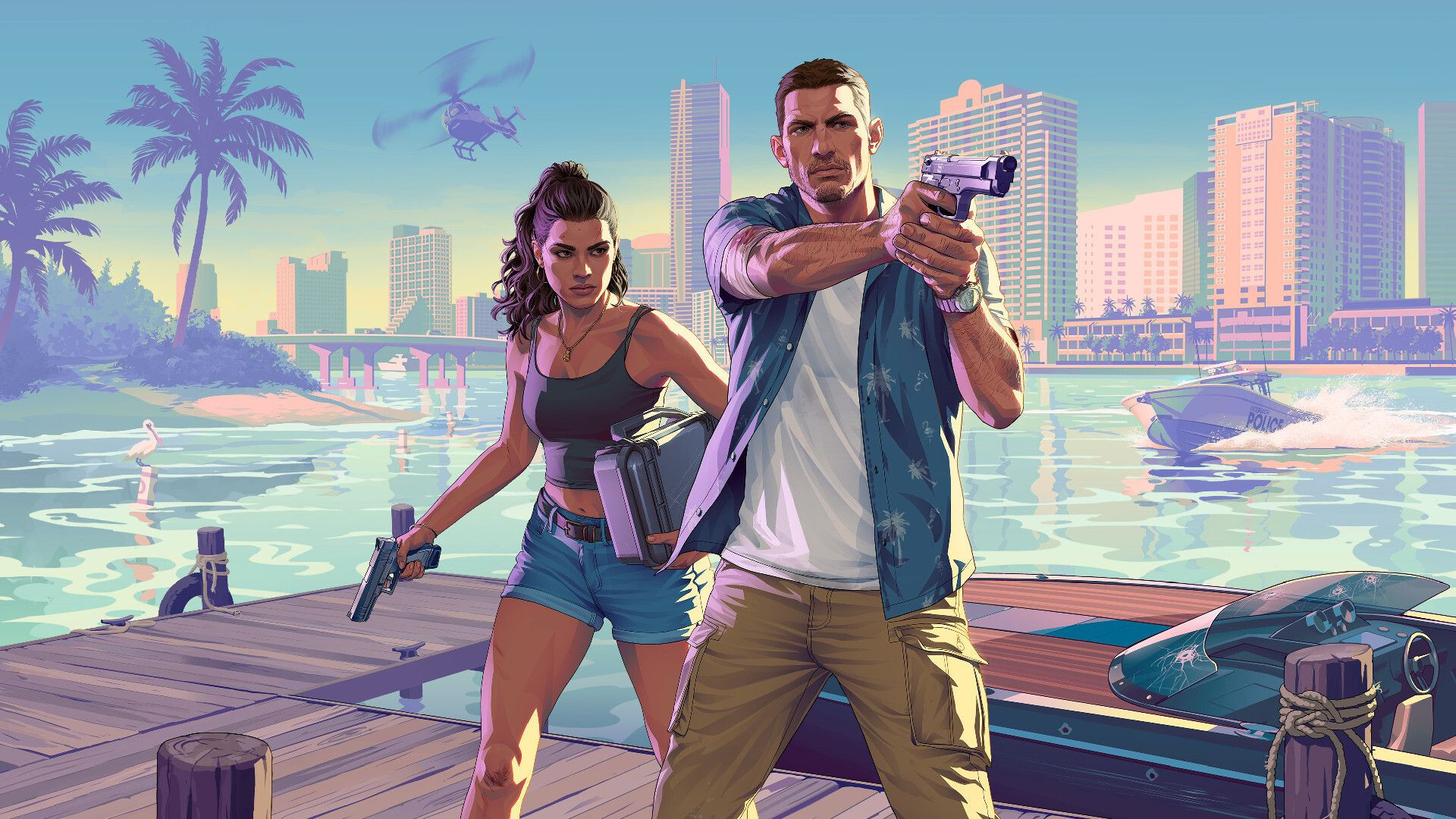
Chaos is the brand, but the best entries aren’t chaotic by accident. There’s an art to how Grand Theft Auto builds cities that feel like playgrounds with rules – traffic patterns, police response, NPC behavior – then invites you to test how far those rules bend. The series has evolved from top-down mayhem into cinematic open-world storytelling, and yet it never lost the mischievous impulse to let players break the vibe whenever they want. What keeps the quality conversation unusually positive is that each mainline installment tends to mark a genuine leap: scale, systems, satire, or narrative ambition. Even the side projects people nitpick usually land somewhere between “interesting experiment” and “cult favorite,” rather than outright embarrassment. It’s a franchise that understands spectacle, but it’s also oddly meticulous in how it makes spectacle playable. | © Rockstar Games

Cropped Baldurs Gate

Baldur's Gate (1998)

You can feel the tabletop DNA in the best possible way: choices that matter, consequences that echo, and party dynamics that aren’t just stats on a screen. With Baldur’s Gate, the original games helped define what a computer RPG could be in terms of writing density and player agency, all while translating Dungeons & Dragons rules into something legible and addictive. The appeal isn’t only epic quests; it’s the smaller moments – a companion’s moral line, a dialogue option that changes how a town treats you, the thrill of surviving a fight you maybe shouldn’t have picked. Later revivals didn’t erase that legacy; they leaned into it, reminding people why this name carries weight. When a series makes you care about alignment, party composition, and one risky spell slot, you’re in the hands of designers who respect the genre. | © BioWare

Half Life 2

Half-Life (1998)

Some franchises earn loyalty because they’re comforting; this one earns it because it keeps surprising you. The first Half-Life didn’t just tell a story – it trapped you inside it, using uninterrupted perspective and smart pacing to make the world feel dangerously present. Valve’s approach to set pieces always had a sense of physicality: machinery you can read, spaces that suggest purpose, enemies that feel like they belong there. What’s remarkable is how the series’ reputation stays strong even with long gaps, because each entry (and its expansions) is remembered as a leap in craft rather than a retread. It’s also one of the rare shooter universes where silence matters; a pause in the corridor can be as tense as a firefight. The legacy isn’t hype – it’s design lessons people still borrow. | © Valve

Cropped Super Smash

Super Smash Bros. (1999)

At a party, nobody wants to learn a complicated fighting game manual – they want instant drama, hilarious comebacks, and inside jokes that happen naturally. That’s why Super Smash Bros. works: it looks simple, plays deep, and somehow supports both casual couch chaos and serious competitive mastery. The roster is the obvious hook, but the magic is in how each character still feels like their home series translated into a shared physics playground. Stages become stories, items change the mood, and every match creates a highlight even when you lose. Over time, the franchise kept expanding without losing readability, which is harder than it sounds when the cast grows into a museum of gaming history. Whether you’re chasing edge-guards or just trying to survive a Poké Ball explosion, it’s remarkably consistent at delivering the same thing: pure, noisy fun. | © Nintendo / HAL Laboratory

Cropped Animal Crossing

Animal Crossing (2001)

There’s something quietly radical about a series that refuses to hurry you. Animal Crossing turns the passage of real time into its main mechanic, and that alone makes it feel different from almost everything else in games. The “plot” is basically you deciding what kind of neighbor you want to be: collector, decorator, gardener, museum obsessive, or the person who just logs in to hear the music and say hi. What keeps the franchise’s reputation clean is how consistently it hits that warm, low-stakes loop without sliding into boredom. Even when new entries add bigger goals, the heart remains the same – tiny rituals, gentle humor, and a town that remembers you. It’s comfort food, but it’s also a clever design trick: you don’t grind it, you live in it. | © Nintendo

Cropped Pikmin

Pikmin (2001)

Pikmin is proof that a series can be gentle, strange, and occasionally stressful without ever losing its footing. On paper, it’s about multitasking under pressure – time limits, fragile little creatures, and environments that don’t care if you’re ready – but in practice it’s a meditation on care and attention. Every game in the Pikmin franchise refines the same idea: success comes from understanding your tiny army rather than overpowering the world. What keeps the series spotless is how thoughtfully it iterates. New entries add quality-of-life changes, new Pikmin types, or different pacing, but they never betray the core loop of planning, improvising, and quietly bonding with creatures that will absolutely die if you’re careless. Even its darkest moments feel earned, not cruel. Like the best Nintendo series, Pikmin knows exactly what it is, and it has never needed to be anything else. | © Nintendo

Cropped Sly Cooper

Sly Cooper (2002)

Some platformers feel like obstacle courses; this one feels like a Saturday morning caper that somehow got really good at stealth. With Sly Cooper, the joy is in the rhythm – sneak, smack, escape, wisecrack, repeat – wrapped in a cartoon style that never undercuts the stakes. The heists are paced like episodes, the villains are memorable without trying too hard, and the movement has that “I could do this all day” elasticity that defines the best mascot-era games. What’s impressive is how the series builds a consistent tone: playful but not childish, stylized but not shallow. Even when it stretches into bigger levels and new ideas, it keeps that core fantasy intact: you’re not just beating stages, you’re pulling off a job with flair. | © Sucker Punch Productions

Cropped God of War

God of War (2005)

Power fantasies usually age poorly, because loud rage is easy and nuance is hard. God of War dodges that trap by evolving its idea of strength – first as brute force, later as responsibility – and making the player feel the difference in every swing. The early entries are all about momentum, spectacle, and mythic scale, with combat that never forgets it’s supposed to feel vicious and immediate. Later games shift the camera and the emotional temperature, tightening the action into something more grounded without losing the series’ signature punch. Across eras, the franchise’s big win is consistency of craft: boss fights that feel like events, worlds drenched in myth, and a protagonist whose violence is never treated as weightless. It’s a rare long-running action series that can get older and smarter without losing its edge. | © Santa Monica Studio

Cropped Yakuza

Yakuza (2005)

If tonal whiplash were an Olympic sport, this franchise would take gold – and somehow make it look elegant. The Yakuza (also known as Like a Dragon) games can go from heartfelt crime drama to absurd comedy in the span of a single side quest, and the contrast is exactly the point. The cities feel lived-in, packed with small distractions that are funny, sad, or strangely sincere, and that density turns every street corner into a potential story. What keeps the series from stumbling is how much it cares about its characters; even the goofiest detours are anchored by people who feel human. Combat styles and structures may shift over the years, but the vibe doesn’t: camaraderie, consequence, and a deep affection for the everyday weirdness of urban life. It’s messy in the way real neighborhoods are messy – loud, warm, and impossible to forget. | © Sega

Cropped Bioshock

Bioshock (2007)

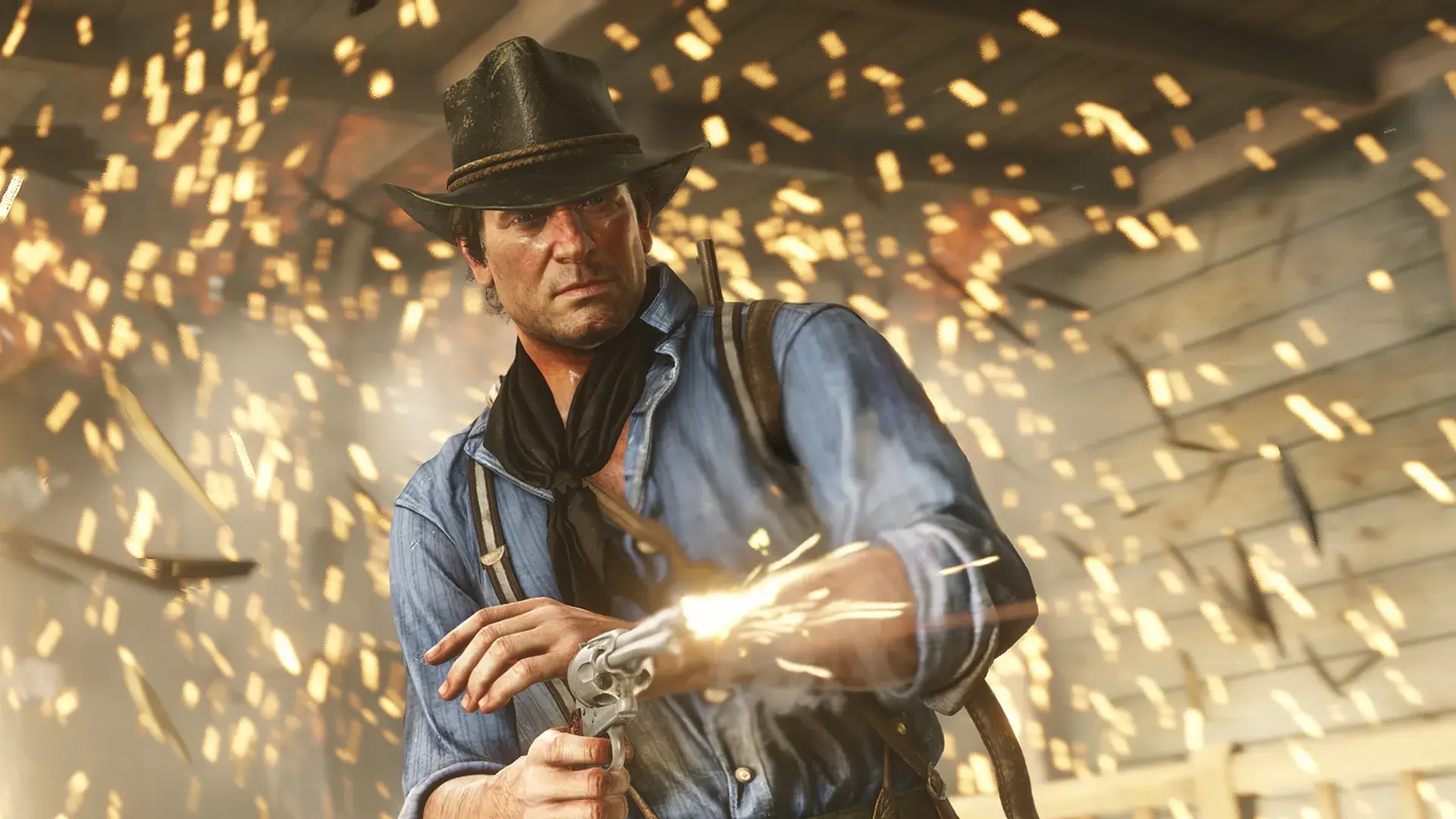
BioShock is a rare franchise where ambition never curdles into self-indulgence. Every entry wants to talk about something big – objectivism, faith, nationalism, choice – and somehow still remembers to be a video game first. What keeps the BioShock name clean is how each game commits fully to its setting as an argument, not just a backdrop. Rapture isn’t just spooky; it’s a thesis collapsing in real time. Columbia isn’t just bright and violent; it’s a contradiction pretending to be paradise. Even when the mechanics shift or the tone changes, the series never loses its confidence in atmosphere, audio design, and storytelling through space. There are messier moments, sure, but never a lazy one. BioShock doesn’t coast on nostalgia or shock value, it earns its reputation by always reaching for meaning, even when that reach makes things uncomfortable. | © 2K Games

Cropped Uncharted

Uncharted (2007)

Sometimes you can tell a studio is obsessed with pacing, like they’re editing every moment with invisible scissors. That’s the Uncharted signature: climbing that feels like breath control, gunfights that escalate like set pieces, and banter that keeps the whole thing from taking itself too seriously. It’s easy to call it “cinematic,” but the real achievement is how playable the spectacle is – these games rarely forget that the player needs clarity and momentum, not just a pretty camera angle. The treasure-hunting fantasy stays fresh because the series leans on character chemistry as much as explosions; you’re following people, not just objectives. Across multiple entries, the craft is consistent: environments worth staring at, action sequences worth replaying, and a tone that lands somewhere between pulp adventure and surprisingly heartfelt drama. | © Naughty Dog

Cropped The Witcher

The Witcher (2007)

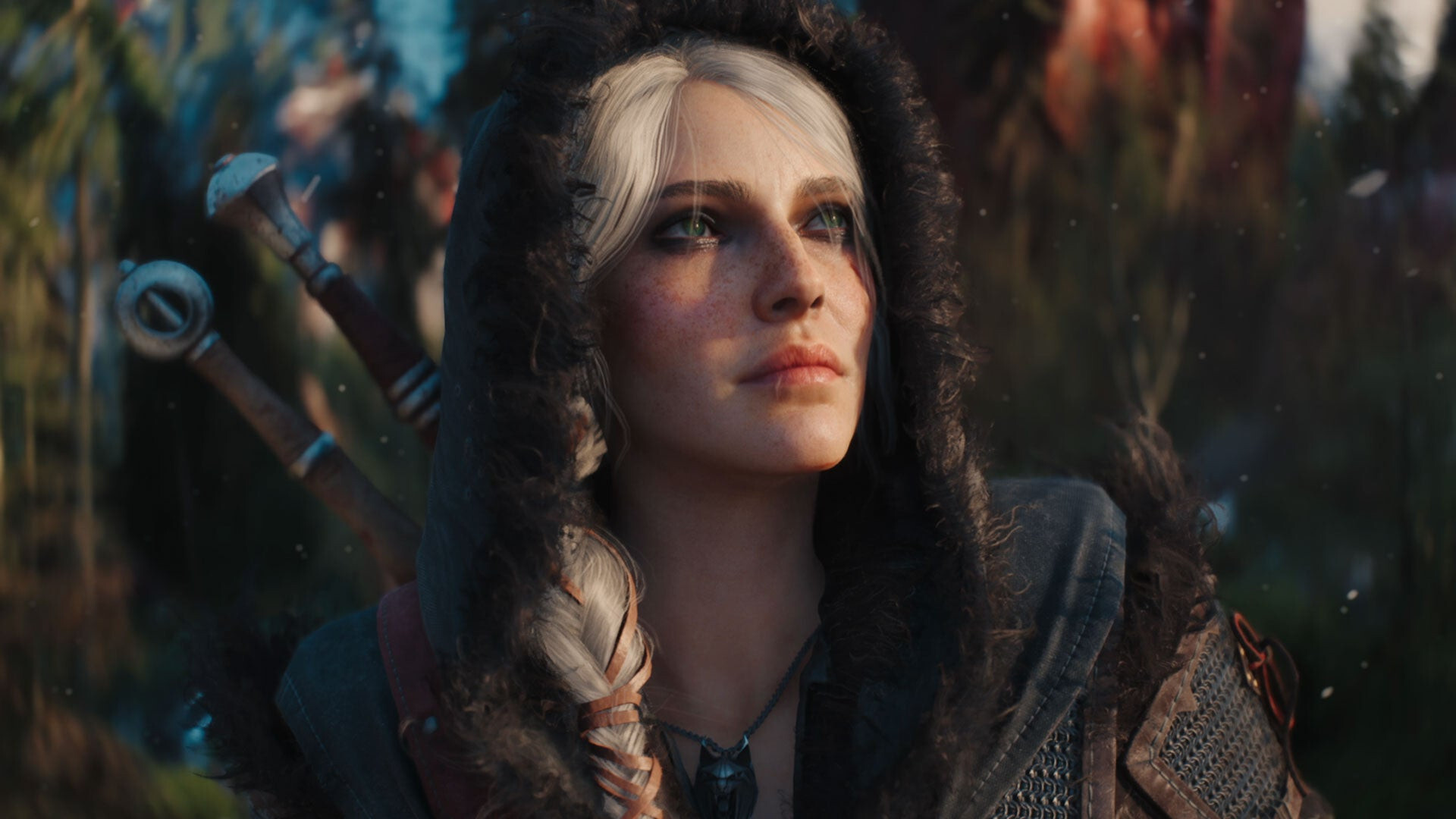
The weird trick here is that the monsters aren’t the only thing you’re meant to distrust. The Witcher games thrive on messy moral choices, where the “good” option can curdle into regret a few hours later, and where politics and personal grudges feel inseparable. What makes the franchise stand tall is its confidence in consequence: quests that spiral, characters who remember, and a world that doesn’t bend into simple hero-villain shapes just to make you feel comfortable. Geralt’s role as a professional outsider – needed, judged, and rarely welcomed – gives the stories a constant tension that keeps even small jobs interesting. While different entries emphasize different strengths, the series’ identity stays clear: sharp writing, grounded fantasy grime, and decisions that actually sting. It’s not just dark for decoration; it’s complicated because people are. | © CD Projekt Red

Cropped Batman Arkham

Batman: Arkham (2009)

Superhero games used to feel like costumes draped over generic mechanics – until this series made the cape feel functional. The Batman: Arkham games nailed the fantasy on multiple fronts: predator stealth that turns fear into a tool, brawling that rewards rhythm and awareness, and a city that feels like it’s daring you to glide into trouble. The presentation matters, but it’s the systems that keep it respected: gadgets with clear purpose, encounters that encourage creativity, and villains integrated into missions rather than parked in cutscenes. Even the entries people debate most tend to be argued over in terms of preference and structure, not because the fundamentals collapse. That consistency is why “Arkham-style combat” became shorthand in the industry. When a franchise becomes a template, it’s usually because it did the hard parts unusually well. | © Rocksteady Studios

Cropped Dark Souls

Dark Souls (2011)

Some games punish you; these games teach you – just not gently. Dark Souls builds its reputation on fairness that feels brutal at first: enemies have rules, stamina matters, shortcuts are earned, and every death is feedback if you’re willing to listen. The world design is a masterclass in curiosity as motivation, with spaces that loop back on themselves and reveal hidden logic as you learn the map in your bones. What’s remarkable about the franchise is that even the most contested entries still inspire devotion, because the core appeal remains intact: tension, discovery, and the slow satisfaction of competence. It’s not “hard” as a gimmick; it’s demanding because the game expects attention, patience, and adaptability. Few series can make you dread the next doorway and crave it at the same time. | © FromSoftware

1-20

A “no bad games” streak is rarer than it sounds. Plenty of series have a legendary peak, then a sequel that feels rushed, a spin-off that misses the point, or an experiment that simply doesn’t land. The franchises on this list are the exceptions: they’ve shifted genres, jumped hardware generations, and still kept their quality bar impressively high.

This isn’t about perfection or universal agreement – fans will always argue favorites. It’s about consistency: games that arrive with a clear identity, solid craftsmanship, and the kind of replay value that turns a name into a comfort pick. From groundbreaking shooters to RPGs that keep raising the standard, these are the video game franchises that just don’t seem to miss.

  • Facebook X Reddit WhatsApp Copy URL

A “no bad games” streak is rarer than it sounds. Plenty of series have a legendary peak, then a sequel that feels rushed, a spin-off that misses the point, or an experiment that simply doesn’t land. The franchises on this list are the exceptions: they’ve shifted genres, jumped hardware generations, and still kept their quality bar impressively high.

This isn’t about perfection or universal agreement – fans will always argue favorites. It’s about consistency: games that arrive with a clear identity, solid craftsmanship, and the kind of replay value that turns a name into a comfort pick. From groundbreaking shooters to RPGs that keep raising the standard, these are the video game franchises that just don’t seem to miss.

Related News

More
David Rosen
Gaming
David Rosen, SEGA Pioneer And Co-Founder Dies At 95
Breaking Bad
TV Shows & Movies
15 TV Shows That Can Change Your View of the World
Bella Ramsey
Entertainment
25 Actresses With The Most Unique Facial Features
Dead Cells
Gaming
15 Fantastic Video Games Without Story
Cropped Sirat
Entertainment
The Best Spanish Director of All Time Names His 10 Favorite Movies of the 21st Century
Stranger things finale will cropped processed by imagy
Entertainment
The Stranger Things Finale Left These 15 Plot Holes Wide Open
Mary Kate Olsen
Entertainment
15 Hollywood Actresses Married Outside the Industry
Bill Burr
Entertainment
15 Actors Who Refused to Film With Woke Scripts
Player retention Bf6 Arc Raiders
Gaming
How Did Battlefield 6 Lose More Than 80% Of Its Steam Players While ARC Raiders Retained Over 90%?
The Irishman
TV Shows & Movies
15 Worst Movies That Are Over 2 Hours Long
Embark confirms ABMM
Gaming
Aggression-Based Matchmaking Is Now Confirmed in ARC Raiders
Dracula keanu
TV Shows & Movies
15 Actors Who Ruined Entire Movies
  • All Gaming
  • Videos
  • News
  • Home

Subscribe to our Newsletter

Sign up for selected EarlyGame highlights, opinions and much more

About Us

Discover the world of esports and video games. Stay up to date with news, opinion, tips, tricks and reviews.
More insights about us? Click here!

Links

  • Affiliate Links
  • Privacy Policy
  • Impressum and Disclaimer
  • Advertising Policy
  • Our Editorial Policy
  • About Us
  • Authors
  • Ownership

Partners

  • Kicker Logo
  • Efg esl logo
  • Euronics logo
  • Porsche logo
  • Razer logo

Charity Partner

  • Laureus sport for good horizontal logo

Games

  • Gaming
  • Entertainment
  • TV Shows & Movies
  • EA FC
  • Fortnite
  • League of Legends
  • Codes
  • Mobile Gaming
  • Videos
  • Call of Duty
  • Rocket League
  • APEX
  • Reviews
  • Galleries
  • News
  • Your Future

Links

  • Affiliate Links
  • Privacy Policy
  • Impressum and Disclaimer
  • Advertising Policy
  • Our Editorial Policy
  • About Us
  • Authors
  • Ownership
  • Copyright 2026 © eSports Media GmbH®
  • Privacy Policy
  • Impressum and Disclaimer
  • Update Privacy Settings
English
English
  • English
  • German
  • Spanish
  • EarlyGame india