
















• Lootday.com logo
  • Join today to claim your daily loot
English
    • News
    • Guides
    • Gaming
      • Codes
      • League of Legends
      • Lootday
    • Creators
    • Entertainment
    • Careers
    • Lootday
    • EarlyGame+
  • Login
  • Homepage My List Settings Sign out
  • News
  • Guides
  • Gaming
    • All Gaming
    • Codes
    • League of Legends
    • Lootday
  • Creators
  • Entertainment
  • Careers
  • Lootday
  • EarlyGame+
Game selection
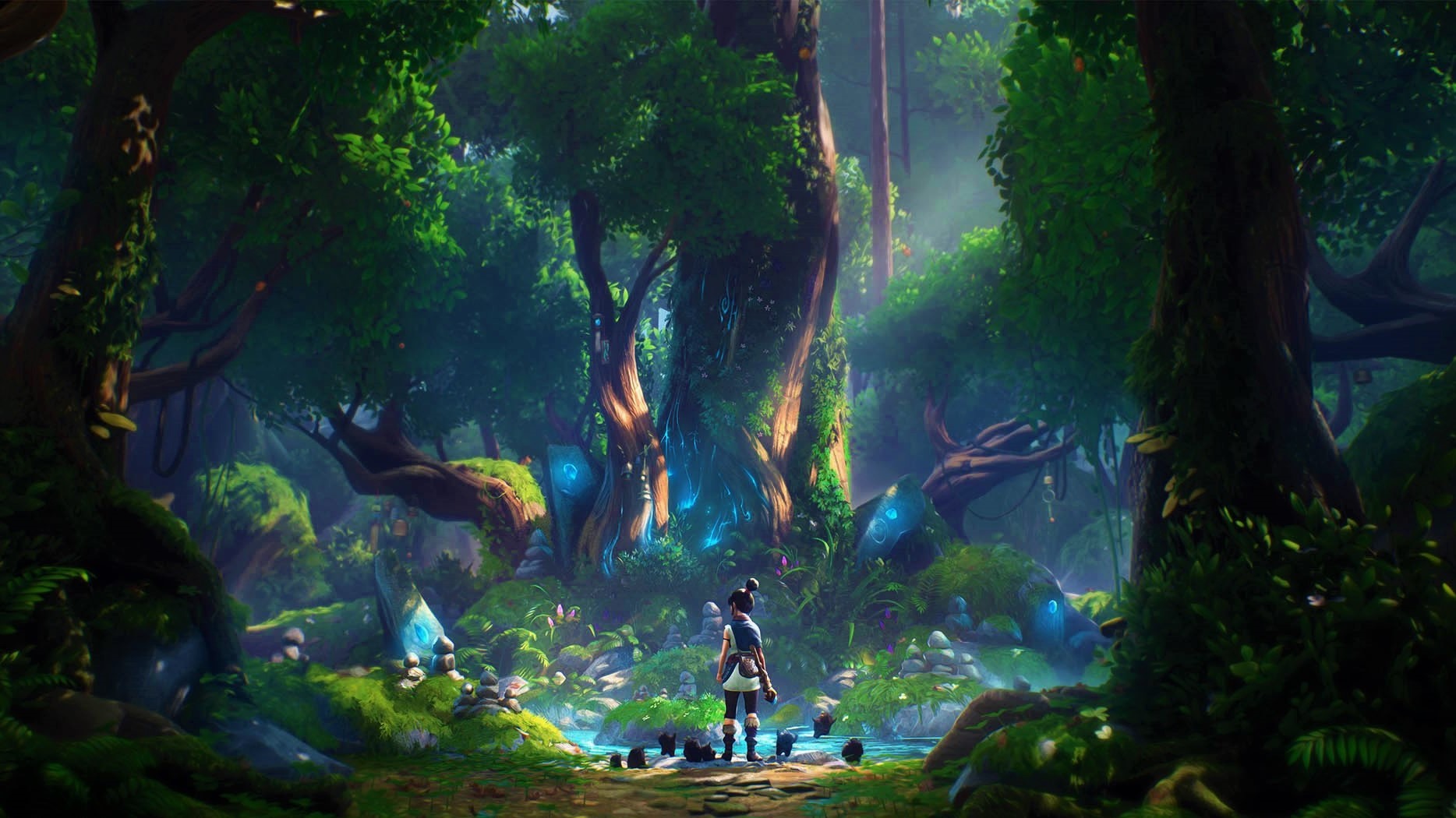
Kena
Gaming new
Enterianment CB
ENT new
Influencer 5229646 640
TV Shows Movies Image
TV shows Movies logo 2
Fifa stadium
Fc24
Fortnite Llama WP
Fortnite Early Game
LOL 320
Lo L Logo
Codes bg image
Codes logo
Smartphonemobile
Mobile Logo
Videos WP
Untitled 1
Cod 320
Co D logo
Rocket League
Rocket League Text
Apex 320
AP Ex Legends Logo
DALL E 2024 09 17 17 03 06 A vibrant collage image that showcases various art styles from different video games all colliding together in a dynamic composition Include element
Logo
Logo copy
GALLERIES 17 09 2024
News 320 jinx
News logo
Lootday bg
Guides
More EarlyGame
Logo copy

Galleries

Lootday bg

lootday

News

News

Codes bg image

Codes

Razer blackhsark v2 review im test

Giveaways

  • Copyright 2026 © eSports Media GmbH®
  • Privacy Policy
  • Impressum and Disclaimer
 Logo
English
  • English
  • German
  • Spanish
  • EarlyGame india
  • Homepage
  • Gaming

20 Failed Video Game Franchises That Never Lived Up to the Hype

1-20

Ignacio Weil Ignacio Weil
Gaming - September 4th 2026, 20:30 GMT+2
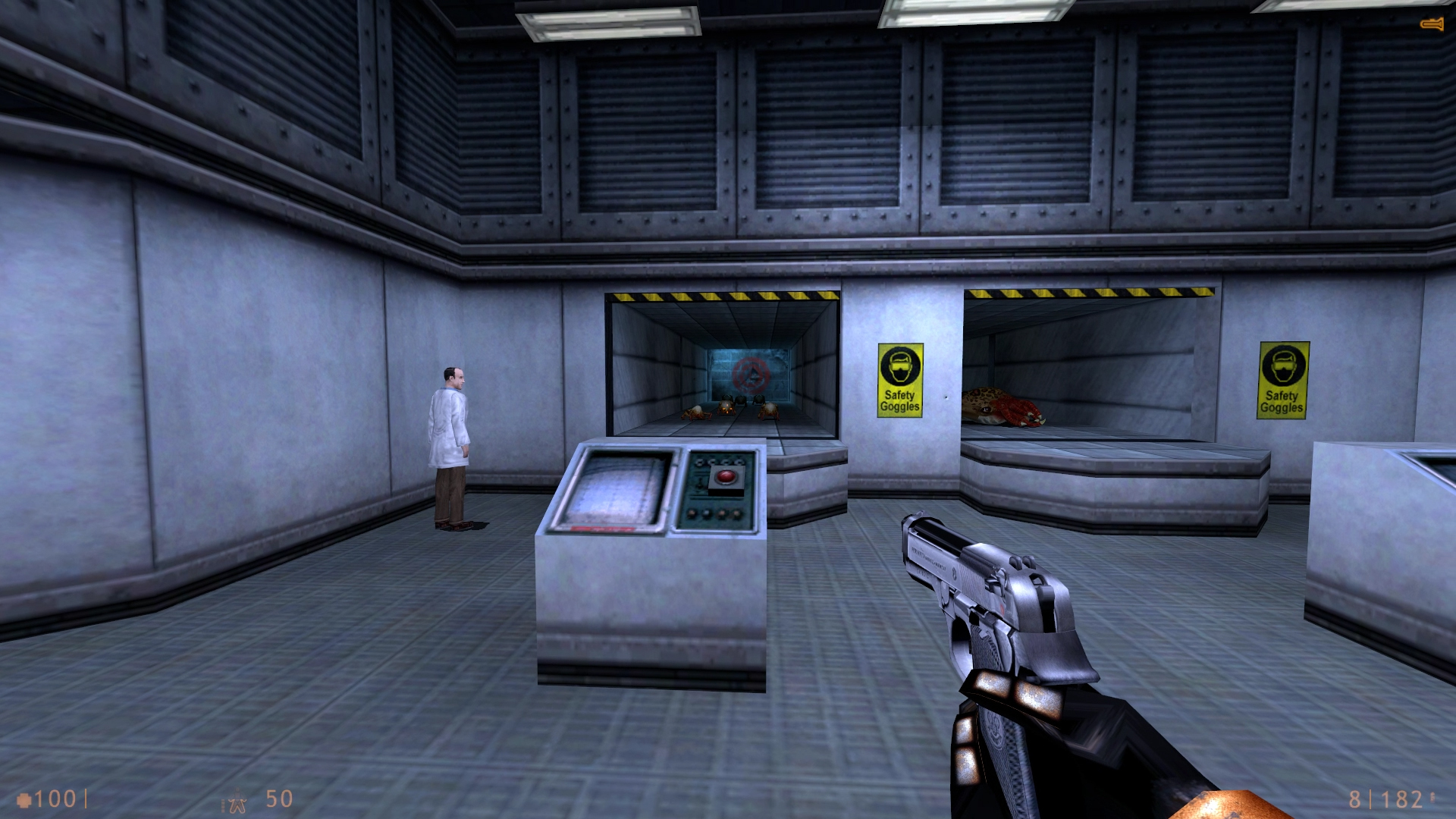
No One Lives Forever 2000 2003

20. No One Lives Forever (2000–2003)

Cate Archer had the gadgets, the sharp dialogue and enough retro-spy charisma to make James Bond check his employment contract. Critics adored both No One Lives Forever games, yet strong reviews never translated into blockbuster sales, while the action-heavy Contract J.A.C.K. sent the series out on a noticeably weaker note. Its disappearance became permanent once the rights were scattered among companies that could not—or would not—untangle them. The games delivered; the franchise surrounding them did not. | © Monolith Productions

Cropped Ride to Hell

19. Ride to Hell (2013)

Deep Silver once imagined Ride to Hell as an entire biker-gang universe, with multiple games attacking different corners of the market. Only Ride to Hell: Retribution reached stores, looking and playing like several unfinished prototypes stitched together during a power outage. Broken combat, missing transitions and notoriously awkward intimate scenes turned it into instant bad-game folklore. The proposed spin-offs quietly disappeared, which may be the only sensible decision anyone made during the project. | © Deep Silver

Cropped Rage

18. Rage (2011)

An id Software shooter set in a vast post-apocalyptic wasteland sounded like a license to print bottle caps. The first Rage offered excellent gunplay and impressive technology, but its thin world, texture-loading problems and abrupt ending left the adventure feeling strangely incomplete. Rage 2 returned with louder colors and even better combat, then surrounded those strengths with repetitive activities and a forgettable story. Twice, the franchise built a magnificent shooting range and forgot to give players a compelling reason to stay. | © Bethesda Softworks

Cropped in FAMOUS

17. Infamous (2009–2014)

Electric powers, open cities and moral choices made inFamous an easy franchise to sell during PlayStation’s grittier superhero era. Cole MacGrath carried two well-regarded adventures before Second Son introduced Delsin Rowe, spectacular particle effects and a much shallower version of the same morality system. That game still sold millions, so calling the series a commercial failure would be inaccurate. Its real shortcoming was creative momentum: every entry was enjoyable, but none quite elevated inFamous into Sony’s top tier. | © Sony Interactive Entertainment

Cropped Mirrors Edge

16. Mirror's Edge (2008–2016)

The first Mirror’s Edge looked like the future: spotless rooftops, bright primary colors and parkour viewed through Faith Connors’ eyes. Actually navigating that future involved occasional confusion, clumsy combat and plenty of missed jumps, but its identity was impossible to forget. Mirror’s Edge Catalyst had eight years to polish the formula and instead diluted it inside a repetitive open world. Faith could clear enormous gaps at full speed; her franchise never managed the same leap. | © Electronic Arts

Cropped de Blob

15. De Blob (2008–2011)

A colorless city restored through music and paint gave de Blob more personality than most platformers with ten times its marketing budget. The original Wii release earned warm reviews and healthy sales, prompting THQ to expand the sequel across several consoles. That broader launch did not help: de Blob 2 reportedly sold fewer than 75,000 copies in its first American month. Blue Tongue Entertainment closed soon afterward, leaving one of gaming’s happiest franchises with a surprisingly bleak final chapter. | © THQ Nordic

Cropped Too Human

14. Too Human (2008)

After nearly a decade of development, several platform changes and enough advance publicity to stock Valhalla, Too Human was expected to launch an ambitious trilogy. Its science-fiction interpretation of Norse mythology remained fascinating, but repetitive environments, divisive right-stick combat and that unskippable Valkyrie death sequence tested everyone’s patience. A disastrous legal battle between Silicon Knights and Epic Games later forced unsold copies to be recalled and destroyed. Most failed franchises simply get cancelled; this one received something close to a court-ordered funeral. | © Xbox Game Studios / Silicon Knights

Cropped Wild Arms

13. Wild Arms (1996–2018)

Wild Arms arrived early in the PlayStation era with Western imagery, puzzle-filled dungeons and one of the finest soundtracks in JRPG history. Unfortunately, its gunslingers spent their career competing against genre giants with considerably larger budgets and marketing campaigns. The series produced several console adventures and the tactical spin-off Wild Arms XF, yet its uneven presentation prevented it from escaping cult status. A later mobile game briefly reopened Filgaia, but Sony still left the main franchise gathering dust. | © Sony Interactive Entertainment / Media.Vision

Cropped Kane Lynch

12. Kane & Lynch (2007–2010)

IO Interactive introduced Kane and Lynch as two criminals too vicious, unstable and unpleasant to carry a conventional action game—which was precisely the appeal. Their first outing sold well despite rough shooting and hostile reviews, while Dog Days wrapped an even shorter sequel in a grimy digital-camcorder aesthetic. The presentation was daring; the mechanics underneath it remained stubbornly ordinary. After two attempts, the pair had generated more controversy than affection, and even their planned film adaptation collapsed into development limbo. | © Square Enix / IO Interactive

Prey msn

11. Prey (2006–2017)

The original Prey survived an infamously long development to become a clever shooter built around portals, shifting gravity and Cherokee protagonist Tommy Tawodi. Its promising bounty-hunter sequel was later cancelled, only for Bethesda to reuse the name on Arkane’s completely unrelated immersive sim. That Prey was excellent too, but confusing branding and modest sales ensured it received no proper continuation. Two acclaimed games shared one title, almost nothing else and the same reward: abandonment. | © 2K Games / Bethesda Softworks

Cropped advent rising

10. Advent Rising (2005)

Majesco treated Advent Rising like the opening chapter of gaming’s next enormous science-fiction saga. It had a story developed with author Orson Scott Card, a sweeping Tommy Tallarico score and a marketing campaign that included a highly publicized million-dollar competition. Players instead found technical problems, unreliable controls and a cliffhanger leading directly into nowhere. Weak sales killed the intended trilogy and its PSP companion project, leaving Gideon Wyeth waiting for a second act that was never funded. | © Majesco Entertainment / GlyphX Games

Sacred msn

9. Sacred (2004–2014)

The first two Sacred games earned loyal players by offering huge worlds, flexible character builds and enough loot to create a minor storage crisis. Bugs were practically part of the package, but so was a depth that action-RPG fans happily tolerated them for. After original developer Ascaron collapsed, Sacred 3 discarded much of that identity in favor of a streamlined cooperative brawler. Longtime fans did not merely dislike the sequel; many struggled to understand why it carried the name at all. | © Deep Silver

Cropped Baten kaitos

8. Baten Kaitos (2003–2006)

Monolith Soft and tri-Crescendo built Baten Kaitos around floating islands, lavish pre-rendered scenery and a card-based battle system that rewarded actual planning. Its unusual mechanics attracted dedicated admirers but also made the GameCube RPG difficult to market beyond genre enthusiasts. Baten Kaitos Origins refined the combat without finding a substantially larger audience, and the planned third installment never materialized. An HD collection eventually rescued both games from expensive secondhand copies, though a genuine continuation remains grounded. | © Bandai Namco Entertainment

Cropped Black White

7. Black & White (2001–2005)

Peter Molyneux promised players a world that would recognize their morality and a giant creature capable of learning from every reward, punishment and accidental villager snack. The original Black & White sold millions and earned glowing reviews, but its extraordinary hype also invited a harsh reassessment once repetitive chores and unreliable artificial intelligence became apparent. The sequel strengthened its strategy elements while sacrificing some god-game freedom. A franchise built around limitless divine power somehow ended after only two main entries. | © Electronic Arts

Cropped Dino Crisis

6. Dino Crisis (1999–2003)

“Resident Evil with dinosaurs” was an irresistible pitch, especially once players discovered that velociraptors were faster and less cooperative than zombies. Dino Crisis became a survival-horror hit, while its sequel made an entertaining pivot toward arcade action. Then Dino Crisis 3 abandoned Regina, Earth and recognizable dinosaurs for mutant reptiles aboard a spacecraft. Its chaotic camera made the jetpack almost unusable, and Capcom responded to the disappointment by freezing the entire series rather than correcting one bad detour. | © Capcom

Cropped Turok

5. Turok (1997–2008)

Turok: Dinosaur Hunter made fog, giant weapons and prehistoric monsters into an essential Nintendo 64 combination. The sequels expanded rapidly, but diminishing quality and Acclaim’s financial troubles gradually reduced a major shooter franchise to nostalgia. A gritty reboot stripped away much of its comic-book weirdness without winning a new audience, while the later chibi-style Escape from Lost Valley was poorly received and eventually delisted. Turok: Origins now has the unenviable job of proving the dinosaur hunter still belongs outside remaster collections. | © Acclaim Entertainment

Cropped medievil

4. MediEvil (1998–2019)

Sir Daniel Fortesque became a PlayStation favorite precisely because he was not the fearless hero commemorated by his own statue. The original MediEvil paired macabre storybook visuals with witty British comedy, although its camera and combat were already rattling like loose bones. A sequel followed, but Sony subsequently remade or reimagined the first adventure twice instead of advancing the story. Dan has been resurrected repeatedly; the franchise itself keeps waking up in exactly the same graveyard. | © Sony Interactive Entertainment

Cropped Vector Man

3. Vectorman (1995–1996)

Late in the Genesis era, Vectorman used pre-rendered orb animation to produce effects that seemed far beyond Sega’s aging hardware. The run-and-gun action was polished, the environmental premise was unusually forward-thinking, and a sequel arrived almost immediately. Then the momentum vanished. Sega rejected or cancelled several proposed 3D revivals across later consoles, including a PlayStation 2 project that reached a playable state. Vectorman did not fail an audience so much as repeatedly fail to escape Sega’s filing cabinet. | © Sega

Cropped Bubsy

2. Bubsy (1993–2026)

Bubsy was manufactured to be the next wisecracking mascot before his first game had earned the confidence. The early platformers mixed relentless one-liners with awkward physics and hazards positioned specifically to punish anyone moving faster than a cautious walk. Bubsy 3D turned that irritation into historic catastrophe, and two later revivals initially did little to repair the damage. Against all reasonable expectation, Bubsy 4D finally delivered responsive movement and earned a warm reception, giving gaming’s favorite punchline a remarkably late redemption. | © Atari

Cropped Blaster Master

1. Blaster Master (1988–2021)

The original Blaster Master created a memorable rhythm by switching between side-scrolling tank exploration and top-down action. Its follow-ups spent years altering that formula without recapturing the same magic, while Blaster Master: Overdrive mounted an underwhelming attempt to reboot it. Then Inti Creates arrived with Blaster Master Zero, followed it with two increasingly ambitious sequels and completed a well-received trilogy. Whatever this franchise once failed to deliver, its modern revival eventually supplied it—and makes the number-one placement difficult to defend. | © Sunsoft / Inti Creates

1-20

A blockbuster trailer, a recognizable studio and enough marketing money can make almost any new game look like the beginning of gaming’s next great saga. Keeping players interested beyond that first burst of excitement is considerably harder. These failed video game franchises arrived carrying enormous expectations, only to stumble through disappointing releases, baffling creative decisions or sequels nobody asked for. Some died immediately; others hung around just long enough to make the collapse uncomfortable.

  • Facebook X Reddit WhatsApp Copy URL

A blockbuster trailer, a recognizable studio and enough marketing money can make almost any new game look like the beginning of gaming’s next great saga. Keeping players interested beyond that first burst of excitement is considerably harder. These failed video game franchises arrived carrying enormous expectations, only to stumble through disappointing releases, baffling creative decisions or sequels nobody asked for. Some died immediately; others hung around just long enough to make the collapse uncomfortable.

Related News

More
Cropped a clockwork orange 1971
TV Shows & Movies
15 Famous Movie Scenes That Were Unscripted
Cropped The Big Lebowski
TV Shows & Movies
15 Classic Movies With Perfect Casting That Could Never Be Replicated
Cropped American Psycho 2000 Patrick Bateman
TV Shows & Movies
15 Iconic Roles That Were Originally Offered to Completely Different Actors
Starfield
Gaming
15 Video Games You Probably Didn't Finish
The Fresh Prince of Bel Air
TV Shows & Movies
15 Wholesome TV Finales That Actually Gave Fans Everything They Wanted
Nikoderiko The Magical World
Gaming
15 of the Most Underrated Nintendo Switch 2 Games
Cropped The Tourist
Entertainment
Angelina Jolie’s 15 Movie Roles Ranked From Worst to Best
Ariana Grande
Entertainment
The 25 Best Female Singers Of All Time
The Long Goodbye How I Met Your Mother
TV Shows & Movies
15 Famous TV Episodes That Almost Ruined the Entire Series
Cassiopeia Lo L Patch
League of Legends
LoL Patch 26.18: Riot Slowly Prepares The Meta For The Worlds
The Man from U N C L E
TV Shows & Movies
15 Unresolved Movie Cliffhangers That Will Haunt Fans Forever
Now You See Me 2013 cropped processed by imagy
TV Shows & Movies
15 Great Movies That Were Ruined by Their Endings
  • All Gaming
  • Videos
  • News
  • Home

Subscribe to our Newsletter

Sign up for selected EarlyGame highlights, opinions and much more

About Us

Discover the world of esports and video games. Stay up to date with news, opinion, tips, tricks and reviews.
More insights about us? Click here!

Links

  • Affiliate Links
  • Privacy Policy
  • Impressum and Disclaimer
  • Advertising Policy
  • Our Editorial Policy
  • About Us
  • Authors
  • Ownership

Partners

  • Kicker Logo
  • Efg esl logo
  • Euronics logo
  • Porsche logo
  • Razer logo

Charity Partner

  • Laureus sport for good horizontal logo

Games

  • Gaming
  • Entertainment
  • Creators
  • TV Shows & Movies
  • EA FC
  • Fortnite
  • League of Legends
  • Codes
  • Mobile Gaming
  • Videos
  • Call of Duty
  • Rocket League
  • APEX
  • Reviews
  • Galleries
  • News
  • Your Future
  • Lootday
  • Guides

Links

  • Affiliate Links
  • Privacy Policy
  • Impressum and Disclaimer
  • Advertising Policy
  • Our Editorial Policy
  • About Us
  • Authors
  • Ownership
  • Copyright 2026 © eSports Media GmbH®
  • Privacy Policy
  • Impressum and Disclaimer
  • Update Privacy Settings
English
English
  • English
  • German
  • Spanish
  • EarlyGame india