










• EarlyGame PLUS top logo
  • Join to get exclusive perks & news!
English
    • News
    • Guides
    • Gaming
      • Fortnite
      • League of Legends
      • EA FC
      • Call of Duty
      • Reviews
    • TV & Movies
    • Codes
      • Mobile Games
      • Roblox Games
      • PC & Console Games
    • Videos
    • Forum
    • Careers
    • EarlyGame+
  • Login
  • Homepage My List Settings Sign out
  • News
  • Guides
  • Gaming
    • All Gaming
    • Fortnite
    • League of Legends
    • EA FC
    • Call of Duty
    • Reviews
  • TV & Movies
  • Codes
    • All Codes
    • Mobile Games
    • Roblox Games
    • PC & Console Games
  • Videos
  • Forum
  • Careers
  • EarlyGame+
Game selection
Kena
Gaming new
Enterianment CB
ENT new
TV Shows Movies Image
TV shows Movies logo 2
Fifa stadium
Fc24
Fortnite Llama WP
Fortnite Early Game
LOL 320
Lo L Logo
Codes bg image
Codes logo
Smartphonemobile
Mobile Logo
Videos WP
Untitled 1
Cod 320
Co D logo
Rocket League
Rocket League Text
Apex 320
AP Ex Legends Logo
DALL E 2024 09 17 17 03 06 A vibrant collage image that showcases various art styles from different video games all colliding together in a dynamic composition Include element
Logo
Logo copy
GALLERIES 17 09 2024
News 320 jinx
News logo
More EarlyGame
Esports arena

Polls

Razer blackhsark v2 review im test

Giveaways

Rocket league videos

Videos

Valorant Tournament

Events

  • Copyright 2026 © eSports Media GmbH®
  • Privacy Policy
  • Impressum and Disclaimer
 Logo
English
  • English
  • German
  • Spanish
  • EarlyGame india
  • Homepage
  • Gaming

Franchise Fatigue: 20 Video Game Series That Have Been Milked Dry

1-20

Ignacio Weil Ignacio Weil
Gaming - January 24th 2026, 15:00 GMT+1
Cropped The Last of Us 2

The Last of Us

It’s a little ironic: a series built around scarcity has been kept alive through abundance. Between multiple re-releases, a full remake of the original, upgraded remasters, and the HBO adaptation expanding the audience overnight, the brand has rarely been out of the conversation for long. None of that erases the craft – these are prestige games with real emotional weight – but it does create that familiar modern fatigue where “event” starts to feel like “content pipeline.” Even the debate around what The Last of Us should be next (Part III? Another multiplayer? More TV seasons?) has become part of the franchise’s noise. The work is still respected; the saturation is what’s starting to wear people down. | © Naughty Dog

Cropped Skyrim

Skyrim (The Elder Scrolls V)

You can practically measure this one in hardware generations. People joke about owning it on everything short of a toaster because Bethesda keeps finding a new edition, a new platform, a new reason to sell the same adventure again. That persistence isn’t accidental – Skyrim remains an easy recommendation, a comfort RPG, a modding playground – but the constant repackaging has started to feel less like celebration and more like stalling. The absence of a proper single-player follow-up in the main Elder Scrolls line only adds to the sensation that we’re stuck circling the same mountain. When a game becomes the entire conversation for 10+ years, even great becomes exhausting. | © Bethesda Game Studios

Cropped Five Nights at Freddys

Five Nights at Freddy’s

If you blinked during the 2010s, this series multiplied. The original hook – paranoia, minimal resources, and the dread of watching a camera feed like it’s a ticking bomb – was so sticky that it spawned sequels fast, then spin-offs, then a whole extended universe of novels, merch, and a blockbuster movie. At a certain point, the mystery that made it fun starts to buckle under sheer volume: more lore, more timelines, more “explanations,” fewer genuinely surprising scares. Fans will argue about the best era, but even they’ll admit it can feel like homework now. Five Nights at Freddy’s didn’t just become a franchise; it became a factory. | © Scott Cawthon

Call of Duty Black Ops III

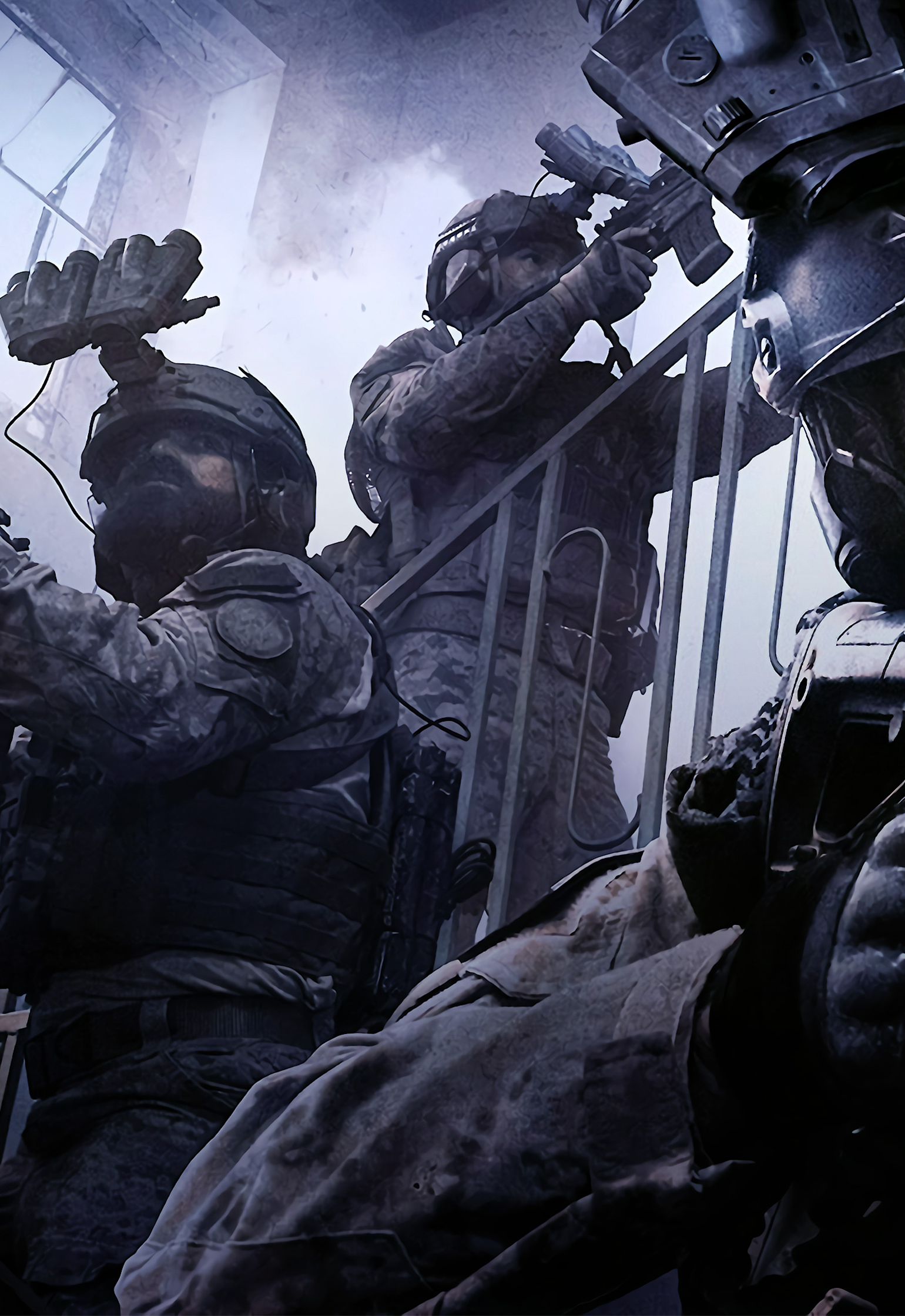
Call of Duty

There’s a reason “COD cycle” became a phrase: hype, launch, outrage, obsession, fatigue, repeat. Even when an entry hits, the next one is already marketed before the community has finished arguing about balance, matchmaking, or the latest monetization controversy. The series has evolved – different sub-brands, different studios, battle royale ecosystems – but the annual churn can make even strong campaigns and polished gunplay feel disposable. Players don’t just burn out on maps; they burn out on the expectation of keeping up. And because it’s still one of the biggest shooters on the planet, the machine rarely slows down long enough to reset. | © Activision

Halo Infinite

Halo

Halo used to be a date on the calendar – midnight launches, LAN parties, and that feeling that everyone was stepping into the same match at the same time. The fatigue crept in slowly: uneven pivots in tone, an identity crisis between “classic arena” purity and trend-chasing, and a live-service model that can make progress feel drip-fed instead of decisive. Even when the gunplay is sharp, the conversation gets swallowed by arguments over sprint, loadouts, playlists, battle passes, and what the series “should” be. Add constant brand sprawl – spin-offs, transmedia, endless nostalgia callbacks – and hype starts to feel like obligation. It’s still iconic, but it’s been stretched to the point where every new move gets judged like a referendum on the whole legacy. | © Xbox Game Studios

Cropped Assassins Creed III Liberation

Assassin’s Creed

For a long stretch, this series ran on an annual rhythm that trained players to expect a new one the way they expect a new phone model. The upside was variety – different eras, different cities, different protagonists – but the downside was a creeping sameness in structure: map towers, checklist objectives, familiar stealth beats, and open-world bloat that could make a fresh setting feel like a reskin. Ubisoft has tried to course-correct with longer gaps and bigger reinventions, yet the brand still carries that “always-on” aura, with spin-offs, live-service ambitions, and constant teases of what’s next. Assassin’s Creed isn’t short on ideas – it’s short on breathing room. | © Ubisoft

Cropped Pokemon

Pokémon

It’s still hard to beat the basic thrill of catching something new, building a team, and watching a plan come together in battle. Pokémon remains a global event almost by instinct, but the modern cadence has made burnout easier to spot – rapid releases, parallel projects, and big ideas that sometimes arrive a step ahead of polish. Fans don’t just debate designs anymore; they debate performance, patch cycles, DLC structure, and whether the series is being asked to sprint when it needs time to breathe. When a franchise is this massive, every rough edge gets amplified and every nostalgia nod feels like it’s doing extra work. The love is real; so is the exhaustion. | © Game Freak

LEGO STAR WARS The Force Awakens

LEGO

The first wave of LEGO games felt like a minor miracle: co-op that didn’t punish beginners, puzzles that were readable, and slapstick destruction that made every room feel like a toy box. After years of releases across every major IP under the sun, that same rhythm can start to feel like a conveyor belt – new franchise skin, familiar hub structure, predictable collectathon sweep. The brand’s biggest strength (it can be anything) turns into its weakness, because the surprise of seeing a universe rebuilt in bricks doesn’t hit the way it used to. Even the stronger entries get lost in the sheer volume, and “one more” starts sounding like “again?” It’s comfort food, but served so often you stop tasting it. | © TT Games

FIFA

FIFA/EA Sports FC

Sports games are built on repetition, but this franchise turned repetition into a yearly business model so reliable it began to feel inevitable. The sales pitch is always “small improvements,” and sometimes those tweaks are real – animation, responsiveness, mode refinements – yet the package can still feel like you paid for a roster refresh wrapped in new menus. Ultimate Team’s gravity hasn’t helped, because it keeps pulling attention toward the same grind-and-monetize loop, season after season. Even the name change on the box didn’t reset the vibe; it mostly highlighted how the machine keeps moving regardless. For a lot of longtime fans, the match itself still hits – FIFA (or EA Sports FC) is what starts to feel tired around it. | © EA Sports

Resident Evil

Resident Evil

Capcom’s greatest talent here has been reinvention – survival horror, action blockbuster, first-person terror, then prestige remakes that reset the bar. The fatigue comes from how crowded the calendar can feel around it: anniversary chatter, remake speculation, spin-offs that blur together, and a fandom permanently split between “scarier” and “bigger.” Even a strong release can feel like part of an assembly line when you’re never far from the next return-to-Raccoon-City tease, or another iconic villain being dusted off for a new trailer. Somewhere along the way, the iconography in Resident Evil becomes a loop – labs, viruses, familiar faces – served in different shapes. That’s the cost of a brand so successful it can’t stop touching its own history. | © Capcom

Cropped Sonic

Sonic the Hedgehog

Poor fans always suffer from whiplash: every few years, a new entry promises “this time we figured it out,” and then the series swerves into another reinvention. Sonic the Hedgehog lives in a constant identity argument – classic speed-platform purity versus 3D experimentation, serious anime melodrama versus breezy cartoon energy, open-zone ambition versus tightly designed stages. When it hits, it really hits, which is why the misses sting more: players don’t just get a mediocre game, they get another round of existential debate about what Sonic should be. The brand is everywhere – spin-offs, mobile, cartoons, movies – and that saturation can make even a good release feel like one more item on a conveyor belt. At this point, the fatigue isn’t just about quantity; it’s about never getting to settle into a confident lane. | © Sega

Cropped Mortal Kombat

Mortal Kombat

Mortal Kombat has always sold itself on escalation: gorier finishers, louder lore, bigger guest characters, bigger “can you believe they did that?” moments. The problem is that shock has a shelf life, and once you’ve seen everything, the series starts leaning harder on spectacle to manufacture novelty. Reboots and timeline resets keep trying to freshen the blood, but they also create a weird loop where the story is constantly explaining itself instead of simply moving forward. Add an aggressive cadence of DLC fighters and constant crossovers, and the franchise can feel like it’s chasing headlines more than refining the core experience. The fundamentals still slap when the fighting is tight; it’s the surrounding circus that starts to feel overworked. | © NetherRealm Studios

Mega Man

Mega Man

You can only remix “beat eight bosses, steal their powers, march to the fortress” so many times before the formula stops feeling like comfort and starts feeling like autopilot. Mega Man has had spikes of creativity – new sub-series, tonal shifts, style experiments – but it also has long stretches where the brand seems stuck between nostalgia demands and the fear of taking a real risk. When a new entry does arrive, it often carries the weight of multiple fanbases that want incompatible things: classic purity, X-style edge, Legends-style adventure, Battle Network’s systems, you name it. That tug-of-war makes momentum hard, and the constant “bring it back, but exactly like before” cycle can drain the excitement out of announcements. The irony is that the character is evergreen; the franchise pipeline is what feels exhausted. | © Capcom

Street Fighter

Street Fighter

The legacy is untouchable, but living in your own legend can be exhausting. With Street Fighter, the competitive scene keeps the franchise vibrant, yet the business model around it has drifted toward an always-on ecosystem: seasons, passes, staggered rosters, multiple editions, and a drip-feed of “complete” versions that aren’t complete until the final wave lands. Even when the mechanics are excellent, the surrounding structure can make the experience feel more like a service you maintain than a game you simply buy and enjoy. There’s also the endless recycling dilemma – iconic characters have to return, which limits how radical the roster can get, which then fuels the déjà vu complaints. The fighting stays strong; the packaging is what starts to wear people down. | © Capcom

Cropped castlevania

Castlevania

For a franchise built on forward motion – running, whipping, descending deeper into gothic chaos – Castlevania has spent an oddly long time standing still. The brand gets plenty of love in the form of collections, anniversary reverence, and constant “remember this classic?” energy, but that’s different from actually steering the series into a new era. It doesn’t help that the name now carries two identities at once: the tight, punishing old-school platformers and the exploration-heavy “Metroidvania” style that became its most influential legacy. Meanwhile, the Netflix adaptation kept the mythology in the zeitgeist while the games themselves stayed quiet, which only sharpened the sense of missed momentum. The fatigue here isn’t oversaturation – it’s the feeling of being asked to replay the past forever. | © Konami

Cropped Final Fantasy

Final Fantasy

The series keeps reinventing itself so aggressively that “fatigue” doesn’t come from sameness – it comes from feeling like the brand is split into multiple realities at once. One corner is prestige single-player spectacle, another is MMO life, another is remakes and reimaginings, another is spin-offs that blur into a broader universe of lore. Final Fantasy can still deliver jaw-dropping highs, but the constant expansion of what “counts” as Final Fantasy makes the identity feel stretched, like the franchise is trying to satisfy everyone in every direction. Add years-long marketing cycles, divided fan expectations about turn-based versus action, and a backlog of side projects, and the conversation becomes louder than the games. It’s still a powerhouse – just one that sometimes feels overextended by its own ambition. | © Square Enix

Cropped Mario

Mario

You can’t really “miss” Mario because he never leaves – there’s always another lane, another genre, another spin on the same icon. That omnipresence is the fatigue factor: even when a new release is excellent, it lands in a sea of kart racing, party minigames, sports seasons, RPG revivals, mobile offshoots, and crossover marketing. The character’s elasticity is a creative superpower, but it also turns the brand into a constant background hum where nothing feels rare anymore. And when something isn’t rare, it doesn’t automatically feel special – even if it’s good. Nintendo’s biggest risk is accidentally making its most joyful franchise feel like a utility. That’s the strange modern problem of Mario. | © Nintendo

Cropped The Legend of Zelda Tears of the Kingdom

The Legend of Zelda

When a series becomes an institution, even its victories can trigger backlash, and that’s where The Legend of Zelda sits right now. The open-air era delivered two massive successes, but it also trained players to expect a certain kind of loop – wide maps, systemic problem-solving, and a freedom-first structure that some adore and others find repetitive. The push-and-pull is loud: bring back classic dungeons, keep the sandbox, make it weirder, make it tighter, don’t touch what worked. Because the brand is so central to Nintendo’s identity, every rumor and re-release becomes a mini-event, keeping the discourse boiling even during long gaps. It’s not that the games feel cheap; it’s that the conversation around Zelda can feel like a permanent argument. | © Nintendo

Cropped donkey kong

Donkey Kong

Platformers don’t get much better than the best modern entries in this series, which is why it’s baffling how often the brand feels like it’s waiting for permission to exist. Donkey Kong keeps getting pulled back into familiar shapes – ports, remasters, cameos, nostalgia nods – rather than building a clear, confident next chapter that expands what the series can be. The result is a loop where fans re-litigate the same “bring it back” wish list: new 2D masterpiece, big 3D swing, fresh supporting cast, anything that signals a future instead of a museum tour. When you’re fed mostly reminders of past greatness, even affection starts to curdle into impatience. The fatigue here is that the franchise’s potential feels parked. | © Nintendo

Cropped STAR WARS

Star Wars

The galaxy is huge, but the brand can still feel cramped when everything has to serve a larger IP machine. With Star Wars games, the mood swings are constant – different studios, different genres, different canon priorities – yet the output can blur together into an endless stream of projects that arrive with big promises and leave with mixed aftertaste. Licensing changes have also made the lineup feel uneven across eras, with certain styles of Star Wars games disappearing for years while safer bets dominate the calendar. Modern trends don’t help: live-service hooks, seasonal roadmaps, “content” language creeping into what used to be self-contained adventures. There are still gems, but the franchise sometimes feels less like a playground and more like an obligation – another checkbox for Star Wars. | © LucasArts

1-20

Franchises are supposed to feel like a homecoming – familiar controls, a world you know by heart, that little hit of nostalgia when the theme music kicks in. But there’s a point where “reliable” turns into routine, and the new entries start feeling like variations on a menu you’ve already memorized.

These are 20 video game series that, at least right now, seem stuck in a loop: sequels that play it safe, spin-offs that blur together, and releases that arrive more out of obligation than inspiration. It’s not about hating the classics – it’s about recognizing when a series is running on fumes.

  • Facebook X Reddit WhatsApp Copy URL

Franchises are supposed to feel like a homecoming – familiar controls, a world you know by heart, that little hit of nostalgia when the theme music kicks in. But there’s a point where “reliable” turns into routine, and the new entries start feeling like variations on a menu you’ve already memorized.

These are 20 video game series that, at least right now, seem stuck in a loop: sequels that play it safe, spin-offs that blur together, and releases that arrive more out of obligation than inspiration. It’s not about hating the classics – it’s about recognizing when a series is running on fumes.

Related News

More
Cropped Days Gone Remastered
Gaming
Top 20 Great Video Games That Will Never Get a Sequel
Ginnifer Goodwin and Josh Dallas
TV Shows & Movies
15 Fictional Couples Who Got Together in Real Life
Cropped Portada
Entertainment
Quentin Tarantino’s 11 Favorite Movies Of All Time
Sydney sweeney euphoria cropped processed by imagy
Entertainment
Typecast Hell: 30 Actors Who Always Play The Same Role
The Kings Speech cropped processed by imagy
TV Shows & Movies
The 25 Most Overrated Films We Wish People Would Shut Up About
Cropped Sinners
Entertainment
Oscars 2026: Full List of Nominees and Categories for This Year’s Academy Awards
Cropped Avatar Fire and Ash
Entertainment
Oscars 2026: Which Movie Got the Most Nominations?
Materialists cropped processed by imagy
Entertainment
Oscars 2026: All the Movies the Academy Forgot About This Year
Carrie
TV Shows & Movies
25 Scariest Horror Movies of All Time
Jerry Seinfeld
Entertainment
15 Famous Celebrities Who Married Their Fans
Fargo
Galleries
15 Best TV Shows That Ended in the Last Decade
Warfare 2025 movie cropped processed by imagy
TV Shows & Movies
Watch These 15 Movies If You Think America’s Gone Off The Rails
  • All Gaming
  • Videos
  • News
  • Home

Subscribe to our Newsletter

Sign up for selected EarlyGame highlights, opinions and much more

About Us

Discover the world of esports and video games. Stay up to date with news, opinion, tips, tricks and reviews.
More insights about us? Click here!

Links

  • Affiliate Links
  • Privacy Policy
  • Impressum and Disclaimer
  • Advertising Policy
  • Our Editorial Policy
  • About Us
  • Authors
  • Ownership

Partners

  • Kicker Logo
  • Efg esl logo
  • Euronics logo
  • Porsche logo
  • Razer logo

Charity Partner

  • Laureus sport for good horizontal logo

Games

  • Gaming
  • Entertainment
  • TV Shows & Movies
  • EA FC
  • Fortnite
  • League of Legends
  • Codes
  • Mobile Gaming
  • Videos
  • Call of Duty
  • Rocket League
  • APEX
  • Reviews
  • Galleries
  • News
  • Your Future

Links

  • Affiliate Links
  • Privacy Policy
  • Impressum and Disclaimer
  • Advertising Policy
  • Our Editorial Policy
  • About Us
  • Authors
  • Ownership
  • Copyright 2026 © eSports Media GmbH®
  • Privacy Policy
  • Impressum and Disclaimer
  • Update Privacy Settings
English
English
  • English
  • German
  • Spanish
  • EarlyGame india