










• EarlyGame PLUS top logo
  • Join to get exclusive perks & news!
English
    • News
    • Guides
    • Gaming
      • Fortnite
      • League of Legends
      • EA FC
      • Call of Duty
      • Reviews
    • TV & Movies
    • Codes
      • Mobile Games
      • Roblox Games
      • PC & Console Games
    • Videos
    • Forum
    • Careers
    • EarlyGame+
  • Login
  • Homepage My List Settings Sign out
  • News
  • Guides
  • Gaming
    • All Gaming
    • Fortnite
    • League of Legends
    • EA FC
    • Call of Duty
    • Reviews
  • TV & Movies
  • Codes
    • All Codes
    • Mobile Games
    • Roblox Games
    • PC & Console Games
  • Videos
  • Forum
  • Careers
  • EarlyGame+
Game selection
Kena
Gaming new
Enterianment CB
ENT new
TV Shows Movies Image
TV shows Movies logo 2
Fifa stadium
Fc24
Fortnite Llama WP
Fortnite Early Game
LOL 320
Lo L Logo
Codes bg image
Codes logo
Smartphonemobile
Mobile Logo
Videos WP
Untitled 1
Cod 320
Co D logo
Rocket League
Rocket League Text
Apex 320
AP Ex Legends Logo
DALL E 2024 09 17 17 03 06 A vibrant collage image that showcases various art styles from different video games all colliding together in a dynamic composition Include element
Logo
Logo copy
GALLERIES 17 09 2024
News 320 jinx
News logo
More EarlyGame
Esports arena

Polls

Razer blackhsark v2 review im test

Giveaways

Rocket league videos

Videos

Valorant Tournament

Events

  • Copyright 2026 © eSports Media GmbH®
  • Privacy Policy
  • Impressum and Disclaimer
 Logo
English
  • English
  • German
  • Spanish
  • EarlyGame india
  • Homepage
  • Gaming

Top 20 Great Video Games That Will Never Get a Sequel

1-20

Ignacio Weil Ignacio Weil
Gaming - January 24th 2026, 13:00 GMT+1
Cropped Days Gone Remastered

Days Gone (2019)

Sony Bend built a world that’s equal parts biker-road movie and survival horror, with a gruff hero who grows on you the longer you ride with him. The thing fans keep coming back to isn’t just the Freakers or the open-world chaos – it’s the “one more job” momentum, the way side stories quietly click into Deacon’s larger grief. The frustrating part is that a follow-up felt teed up, but the sequel pitch was ultimately rejected and the studio moved on to other projects, leaving that cliff-edge potential hanging in the air. Even the game’s late-life reappraisal – streaming boosts, word-of-mouth, the steady “actually, this rules” chorus – hasn’t translated into an official Part Two. So for now, it stands as a big, messy, oddly heartfelt one-and-done: Days Gone. | © Sony Interactive Entertainment

STAR WARS Battlefront II

Star Wars Battlefront II (2017)

This one had the rare redemption arc you usually only see in sports movies: a launch that sparked outrage, followed by years of updates that slowly rebuilt trust. Under the noise, Star Wars Battlefront II is a gorgeous shooter with some genuinely great class design, a satisfying sense of scale, and fan-service that hits like a victory lap when the match is humming. The problem is that the support eventually ended, key staff moved on, and EA/DICE’s priorities shifted – so the sequel conversation never turned into an announcement. Every so often, player spikes and nostalgia waves spark “Battlefront 3” chatter again, but nothing concrete has surfaced. The result is a game that feels frozen mid-comeback, remembered as much for what it became as for the franchise momentum it didn’t get to carry forward. | © Electronic Arts

Cropped Bloodborne

Bloodborne (2015)

There’s a particular kind of obsession that only happens when a game’s atmosphere is so thick you can practically taste it, and that’s the spell Yharnam still casts. Bloodborne isn’t just “hard”; it’s aggressive in a way that changes how you move, forcing confidence and punishing hesitation until the dance finally clicks. Fans have spent years begging for anything – sequel, remaster, PC release – yet the official silence has been stubborn, with no confirmed continuation or upgrade despite constant rumor cycles. Part of the headache is that it’s tied to a specific era of PlayStation strategy and a specific partnership, which makes the path forward less straightforward than “just make another one.” So it remains a landmark that keeps getting referenced, replayed, and mythologized… while staying exactly where it started. | © Sony Computer Entertainment

Sunset Overdrive

Sunset Overdrive (2014)

Insomniac made a game that feels like it drank three energy drinks and decided gravity was optional: neon chaos, ridiculous weapons, and movement so fun it turns traversal into the main event. What’s wild is how clean the identity still is – punky, loud, gleefully stupid in the best way – yet Sunset Overdrive never became a long-running series. The rights situation has always been a tangle (with Microsoft tied to publishing and Insomniac later becoming part of Sony), which is the kind of behind-the-scenes reality that can quietly kill a sequel even when the creative case is obvious. You can see why people keep asking for a follow-up: the bones are perfect for expansion, and the tone is distinct enough to stand apart from today’s safer open-world crowd. Instead, it sits as an outlier – a cult favorite that feels like it should have been a franchise, then wasn’t. | © Microsoft Studios

METAL GEAR RISING REVENGEANCE

Metal Gear Rising: Revengeance (2013)

If you ever wanted proof that a spin-off can steal the spotlight, here it is – PlatinumGames turning Metal Gear melodrama into a high-speed character-action fever dream. The swordplay is the headline, sure, but what people really remember is the attitude: the shameless speeches, the boss themes that sound like the game is cheering for your bad decisions, and Raiden going full mythic cyborg avenger. Despite the cult status (and the meme afterlife that never seems to die), there’s been no official greenlight for a true sequel, and Konami’s recent focus has leaned more toward revisiting established classics than extending this specific branch. Licensed collaborations are complicated, and this one lives at the intersection of two companies with very different priorities. That’s how you end up with a fan-favorite that still feels oddly singular more than a decade later. | © Konami

L A Noire

L.A. Noire (2011)

Long before “detective mode” became a default toggle, this one asked players to actually pay attention – to faces, to phrasing, to what a suspect doesn’t say. The technology gimmick (those eerily readable expressions) wasn’t just for show; it shaped the entire rhythm of interrogation, and that’s why people still talk about it like a one-off experiment nobody else quite repeated. The bigger tragedy is that the circumstances around its creation basically torched the runway for a follow-up: Team Bondi imploded, the partnership fractured, and whatever franchise ambitions existed got buried under real-world fallout. You can still feel how much world-building is left on the table, from the bureau structure to the era-specific details that make Los Angeles feel tactile. And yet, for all the rereleases and renewed appreciation, nothing has ever materialized that looks like a true sequel to L.A. Noire. | © Rockstar Games

Vanquish

Vanquish (2010)

There’s a specific kind of shooter that doesn’t want you to “take cover and breathe” – it wants you to move like you’re late for something, sliding into danger because standing still is the real mistake. That’s the whole personality of Vanquish, a game that plays like PlatinumGames tried to inject character-action swagger into gunfights and somehow made it work. People still cite the boost mechanic as the hook: it turns every encounter into a kinetic puzzle about positioning, aggression, and style, not just aim. The catch is that it’s become famous in the way cult classics often do – loud admiration, steady word-of-mouth, re-releases that keep it accessible, and no real sequel momentum behind the scenes. It’s been celebrated, repackaged, and remembered… but never meaningfully continued. | © Sega

ENSLAVED

Enslaved: Odyssey to the West (2010)

You don’t expect a post-apocalyptic action-adventure to hinge on trust issues and awkward conversation, but that’s exactly where this game finds its heart. The relationship arc between its leads is the real progression system – arguing, compromising, slowly syncing up – while the combat and traversal keep things moving at a steady clip. Enslaved: Odyssey to the West also arrived with that “new IP” vulnerability: praised for characters and world, but never quite turning into the commercial slam dunk that guarantees a sequel in a risk-averse industry. Add the practical headache of licensing (it’s a loose riff on a classic myth) and the reality that studios pivot fast, and you get a beloved one-off that’s easy to recommend and hard to imagine getting greenlit again. It’s the kind of cult favorite that keeps its reputation alive without ever getting the follow-up it was clearly built to support. | © Namco Bandai Games

The 3rd birthday msn

The 3rd Birthday (2010)

This was the moment Aya Brea came back – and the moment a lot of fans realized the series they loved had quietly become something else. Instead of leaning into the slow, bio-horror dread that defined the earlier Parasite Eve identity, The 3rd Birthday pivots hard into slick third-person action, with an “Overdive” mechanic that’s undeniably clever but also a signal flare: this is a different beast now. The story went big and messy, the mythology got even stranger, and the reception reflected that whiplash, leaving Square Enix with little incentive to keep pushing this branch forward. Since then, the franchise has mostly existed as nostalgia and cameos, not as a living pipeline of new releases. For better or worse, the PSP experiment feels like a last chapter that never got a next volume. | © Square Enix

Brutal Legend

Brütal Legend (2009)

Heavy metal albums used to come with wild cover art that implied an entire universe behind the illustration; this game basically decided to live inside that universe. The tone is part tribute, part parody, but it’s never cynical – Brütal Legend commits to the bit so hard that even its weird genre-mash (brawling, driving, strategy-lite battles) feels like a band daring you to keep up. Its problem wasn’t a lack of personality; it was that the design split opinions, the business side got messy, and the kind of sequel that would refine the formula is exactly the kind of gamble publishers hate. Years later, the affection has only grown, but the creator has been blunt in interviews that a true follow-up isn’t happening. So it remains a singular monument to loud guitars and louder imagination – flawed, unforgettable, and stubbornly alone. | © Electronic Arts

Cropped stranglehold

Stranglehold (2007)

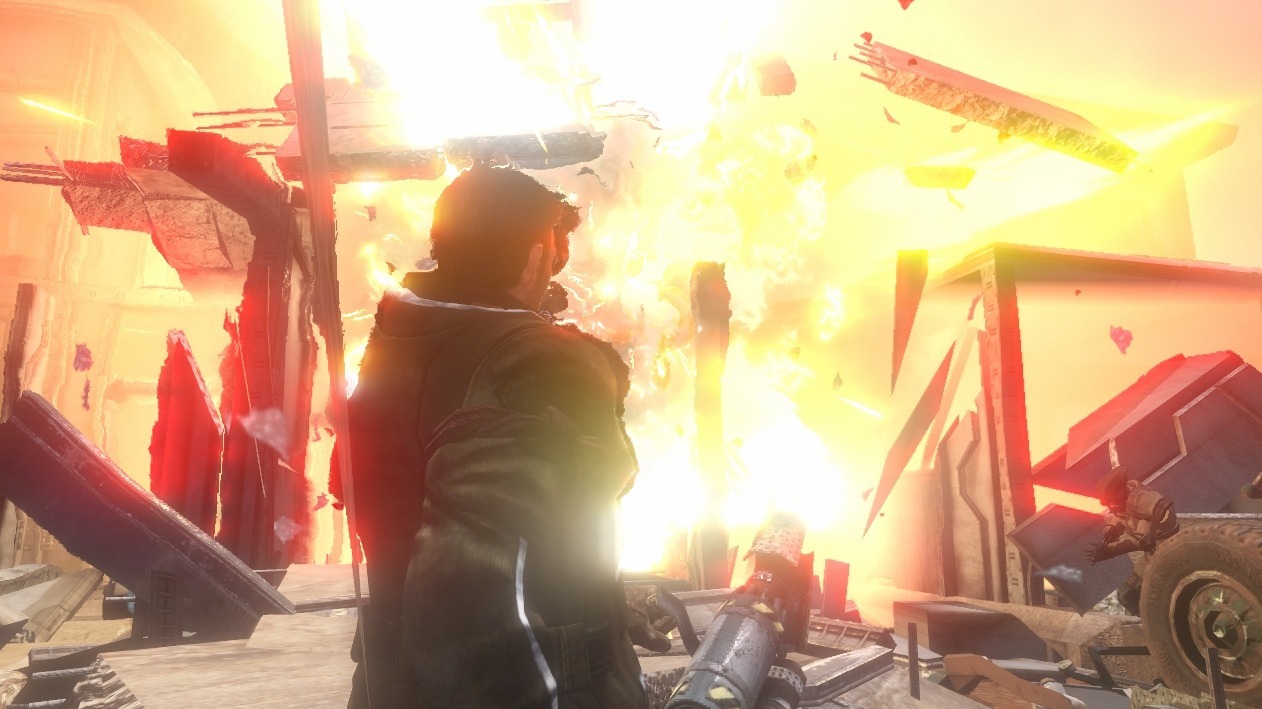
There was a moment in the mid-2000s when every shooter wanted to be a movie, but this one actually had the swagger to pull it off – slow-motion dives, environmental destruction, and Chow Yun-fat’s Tequila as a full-on action hero you could steer. The appeal of Stranglehold is how unapologetically it chases Hong Kong gun-fu fantasy, turning firefights into stunt sequences instead of cautious peek-and-pop cover routines. It also arrived with that “franchise starter” energy, like the kind of game you’d expect to spawn sequels, spin-offs, and a whole mini-universe. Then real life intervened: Midway’s collapse and the shifting shooter landscape made a follow-up feel less like an option and more like a relic of a different era. Today it survives as a cult favorite – loud, stylish, and weirdly singular for how big it swings. | © Midway Games

Cropped Black

Black (2006)

Some shooters are remembered for story twists, others for competitive balance – this one gets remembered for the sound of a rifle tearing a room apart. Black treated gunfire like an instrument, with exaggerated recoil, booming audio, and an obsession with debris that made every encounter feel physical. It’s also a reminder of what Criterion could do outside racing: pure sensory design, clean pacing, and set pieces that kept escalating without needing a cinematic cutscene every five minutes. The problem is that its DNA is tied to a specific moment, before the genre standardized around certain multiplayer economies and franchise roadmaps. Criterion moved on, EA’s priorities shifted, and the name became more of a cult shout than an active brand. Even now, you can feel the influence in modern “loud” shooters, but the original remains a one-shot statement: Black. | © Electronic Arts

Bully

Bully (2006)

Rockstar made a schoolyard feel as dangerous (and as funny) as any crime-ridden city, and that’s still the secret sauce here. The missions in Bully aren’t about saving the world; they’re about surviving lunchtime politics, humiliating a rival, dodging authority, and carving out an identity in a place designed to crush it. That smaller scale is exactly why it’s aged so well: the writing is sharp, the social ecosystem feels alive, and the tone walks a tightrope between satire and genuine affection for teenage chaos. A sequel has been rumored for years, but it’s also been dogged by reports of false starts and shifting priorities inside a studio that tends to focus its fire on fewer, bigger projects. The result is a game that keeps getting rediscovered, then immediately followed by the same question: Why didn’t we ever get Bully again? | © Rockstar Games

Cropped Jade Empire

Jade Empire (2005)

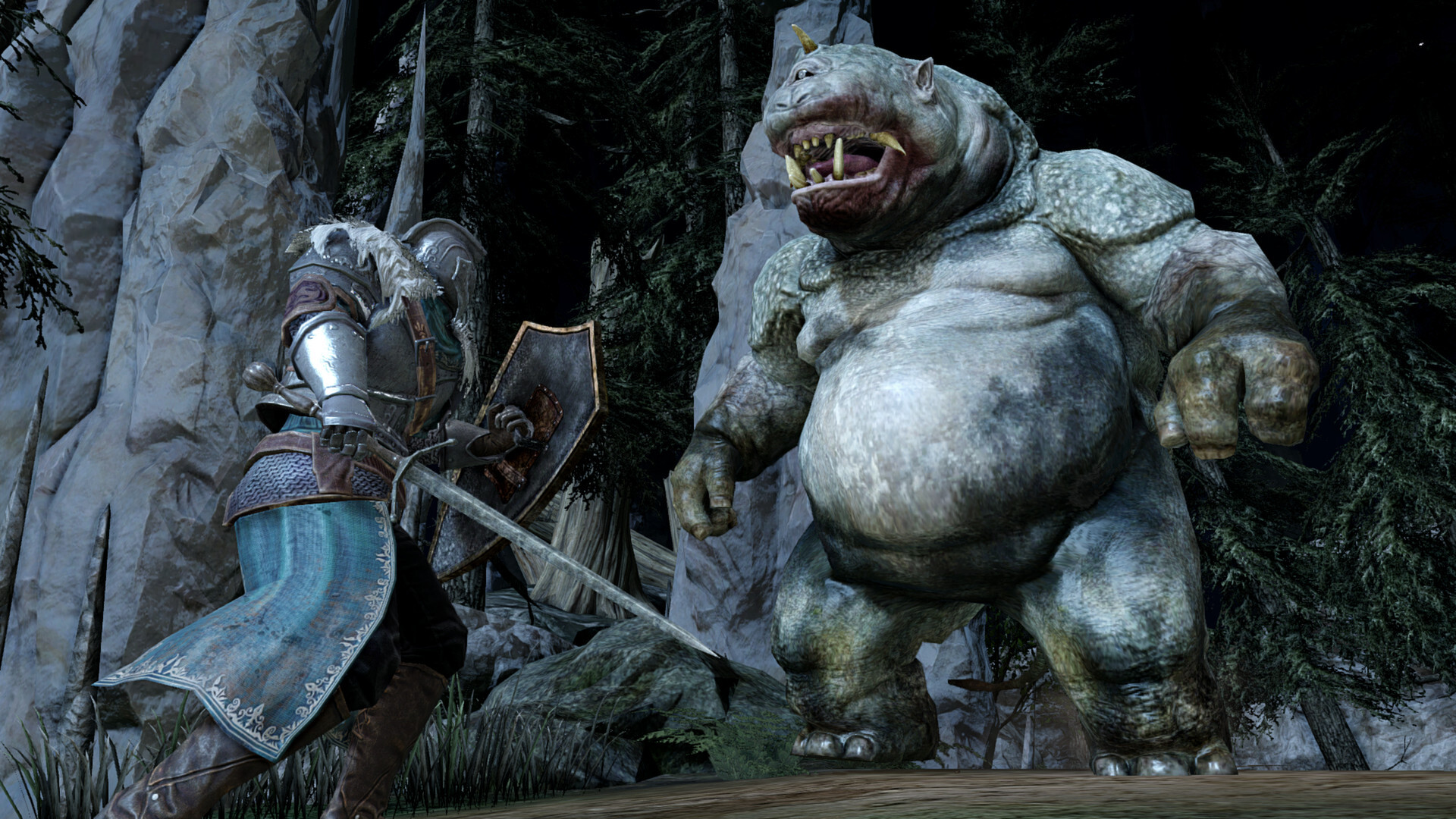
BioWare’s fantasy worlds usually come with knights and dragons; this one went for martial-arts myth, political intrigue, and a morality system that felt more philosophical than binary. The standout is how Jade Empire balances tone – earnest hero’s journey one minute, sly humor and memorable companions the next – while letting combat play like a stylized brawl instead of turn-based math. It’s the kind of RPG that screams “series potential,” especially with a setting that wasn’t just another coat of paint on familiar Western fantasy. But the studio’s future got pulled toward bigger, more lucrative universes, and the industry’s appetite for new, niche IP narrowed fast. Rights and platform realities didn’t help, and momentum simply never returned in a meaningful way. The tragedy is that it still feels like a door left half-open, with Jade Empire standing in the frame. | © Microsoft Game Studios

Cropped Metal Arms

Metal Arms: Glitch in the System (2003)

This is one of those early-2000s gems that people bring up like a secret handshake: a third-person action game with real personality, surprisingly sharp gunplay, and a goofy robot war that never takes itself too seriously. The central hook – hijacking enemy machines and turning them into your own toolbox – gave Metal Arms: Glitch in the System a playful, improvisational feel that still stands out. It also had that charming “AA era” confidence: not trying to be the biggest game on the shelf, just trying to be fun in every room it drops you into. The sequel problem wasn’t a lack of ideas; it was the business shuffle – studios getting bought, priorities changing, and an IP that never became a guaranteed seller. So it lives on as a cult classic that feels tailor-made for a modern revival, even if the industry never circled back. | © Vivendi Universal Games

Cropped Eternal Darkness

Eternal Darkness: Sanity’s Requiem (2002)

Eternal Darkness: Sanity’s Requiem, developed by Silicon Knights and released in 2002 for the GameCube, is a psychological horror action-adventure game that pushed the boundaries of what players could experience in terms of both gameplay and storytelling. The game featured a unique “sanity meter,” where players would encounter hallucinations and mind-bending events as they faced off against ancient evil forces. The game was lauded for its atmosphere, clever mechanics, and dark narrative. However, despite its cult following, a sequel was never made, largely due to Silicon Knights’ shift toward other projects, and Nintendo’s waning interest in the franchise. Eternal Darkness remains one of the most unforgettable horror games, but its story never continued. | © Silicon Knights

Cropped Conkers Bad Fur Day

Conker’s Bad Fur Day (2001)

The pitch sounds like a dare: take a cute platform mascot, give him a hangover, and aim the humor straight at the adults in the room. That’s why Conker’s Bad Fur Day still feels like a time capsule of late-’90s/early-2000s boundary pushing – gross-out jokes, movie parodies, and a mean streak that somehow circles back into charm. It also had real craft behind the filth, with sharp visuals for the hardware and a confidence about pacing that a lot of “edgy” games never manage. A true sequel has always been complicated: Rare’s ownership shift, the character bouncing between cameos and remakes, and the fact that the very thing that made Conker famous is also what makes him hard to market in a safer era. Fans keep hoping, but the series has mostly existed as a punchline about missed potential rather than a living franchise. The result is a cult classic that remains proudly, stubbornly singular. | © Rare

Cropped Skies of Arcadia

Skies of Arcadia (2000)

What sticks isn’t just the airships – it’s the optimism, that bright, swashbuckling feeling that you’re discovering something new every time the clouds part. Skies of Arcadia is an RPG built on momentum: big map energy, charismatic heroes, and a sense of adventure that keeps finding fresh islands, factions, and surprises without sinking into gloom. It also came from an era when Sega could still swing for a distinctive tone, and the game’s loyal following has only grown as people rediscover it through ports and word-of-mouth. The sequel question is always the same: why hasn’t that world been revisited? Part of the answer is business reality – platform shifts, changing priorities inside Sega, and a genre that became more risk-averse about mid-budget, new-chapter storytelling. So it sits there like a treasured travel journal: complete, beloved, and maddeningly alone. | © Sega

Grim Fandango

Grim Fandango (1998)

Before “cinematic games” became a marketing buzzword, this one was already staging scenes like a noir film that wandered into the Land of the Dead. The writing is the hook – witty without trying too hard, romantic without turning saccharine – while the art direction carries that rare confidence of a world that doesn’t resemble anything else. Grim Fandango also arrived at the worst possible moment for its genre, when big publishers were losing patience with adventure games and chasing faster, flashier returns. A sequel never really had a fair fight, even though Manny Calavera became the kind of protagonist players quote for decades. The later remaster proved the affection never went away; it just got stranded by timing. And that’s the bittersweet legacy: one of the medium’s most distinctive stories, preserved like a classic, with no second case file to solve. | © LucasArts

Blade Runner

Blade Runner (1997)

This isn’t “the movie, but playable” so much as a detective story that understands the film’s mood and builds its own path through it. Blade Runner nails that rain-soaked melancholy – neon reflections, moral ambiguity, constant doubt – while letting the investigation branch in ways that were shockingly ambitious for the time. Part of its reputation comes from how it handled uncertainty: clues that don’t always resolve cleanly, outcomes that can shift, and a sense that the city is bigger than your ability to fully decode it. The reason a true sequel feels unlikely is the same reason the original became a rarity for years – rights and licensing complications that make follow-ups a bureaucratic maze. Even when versions resurface, it’s usually the past being recovered, not the future being built. So it remains a standout example of licensed storytelling done right: Blade Runner. | © Virgin Interactive Entertainment

1-20

Some games feel like they were built for a second chapter – then the credits roll and the silence is deafening. The reasons are rarely romantic: rights disputes, studios collapsing, budget math, or a publisher chasing the next trend.

Here are 20 great video games that seem destined to stay one-and-done, even if fans have been asking for years.

  • Facebook X Reddit WhatsApp Copy URL

Some games feel like they were built for a second chapter – then the credits roll and the silence is deafening. The reasons are rarely romantic: rights disputes, studios collapsing, budget math, or a publisher chasing the next trend.

Here are 20 great video games that seem destined to stay one-and-done, even if fans have been asking for years.

Related News

More
Ginnifer Goodwin and Josh Dallas
TV Shows & Movies
15 Fictional Couples Who Got Together in Real Life
Cropped Portada
Entertainment
Quentin Tarantino’s 11 Favorite Movies Of All Time
Sydney sweeney euphoria cropped processed by imagy
Entertainment
Typecast Hell: 30 Actors Who Always Play The Same Role
The Kings Speech cropped processed by imagy
TV Shows & Movies
The 25 Most Overrated Films We Wish People Would Shut Up About
Cropped Sinners
Entertainment
Oscars 2026: Full List of Nominees and Categories for This Year’s Academy Awards
Cropped Avatar Fire and Ash
Entertainment
Oscars 2026: Which Movie Got the Most Nominations?
Materialists cropped processed by imagy
Entertainment
Oscars 2026: All the Movies the Academy Forgot About This Year
Carrie
TV Shows & Movies
25 Scariest Horror Movies of All Time
Jerry Seinfeld
Entertainment
15 Famous Celebrities Who Married Their Fans
Fargo
Galleries
15 Best TV Shows That Ended in the Last Decade
Warfare 2025 movie cropped processed by imagy
TV Shows & Movies
Watch These 15 Movies If You Think America’s Gone Off The Rails
Gary Oldman as Norman Stansfield
TV Shows & Movies
15 Times Fantastic Actors Played Terrible Characters
  • All Gaming
  • Videos
  • News
  • Home

Subscribe to our Newsletter

Sign up for selected EarlyGame highlights, opinions and much more

About Us

Discover the world of esports and video games. Stay up to date with news, opinion, tips, tricks and reviews.
More insights about us? Click here!

Links

  • Affiliate Links
  • Privacy Policy
  • Impressum and Disclaimer
  • Advertising Policy
  • Our Editorial Policy
  • About Us
  • Authors
  • Ownership

Partners

  • Kicker Logo
  • Efg esl logo
  • Euronics logo
  • Porsche logo
  • Razer logo

Charity Partner

  • Laureus sport for good horizontal logo

Games

  • Gaming
  • Entertainment
  • TV Shows & Movies
  • EA FC
  • Fortnite
  • League of Legends
  • Codes
  • Mobile Gaming
  • Videos
  • Call of Duty
  • Rocket League
  • APEX
  • Reviews
  • Galleries
  • News
  • Your Future

Links

  • Affiliate Links
  • Privacy Policy
  • Impressum and Disclaimer
  • Advertising Policy
  • Our Editorial Policy
  • About Us
  • Authors
  • Ownership
  • Copyright 2026 © eSports Media GmbH®
  • Privacy Policy
  • Impressum and Disclaimer
  • Update Privacy Settings
English
English
  • English
  • German
  • Spanish
  • EarlyGame india