



















Some movies aim to update familiar genres with modern ideas. Others let the message overpower the story, characters, and basic craft. These films promised relevance, but critics and audiences felt the execution missed the mark.
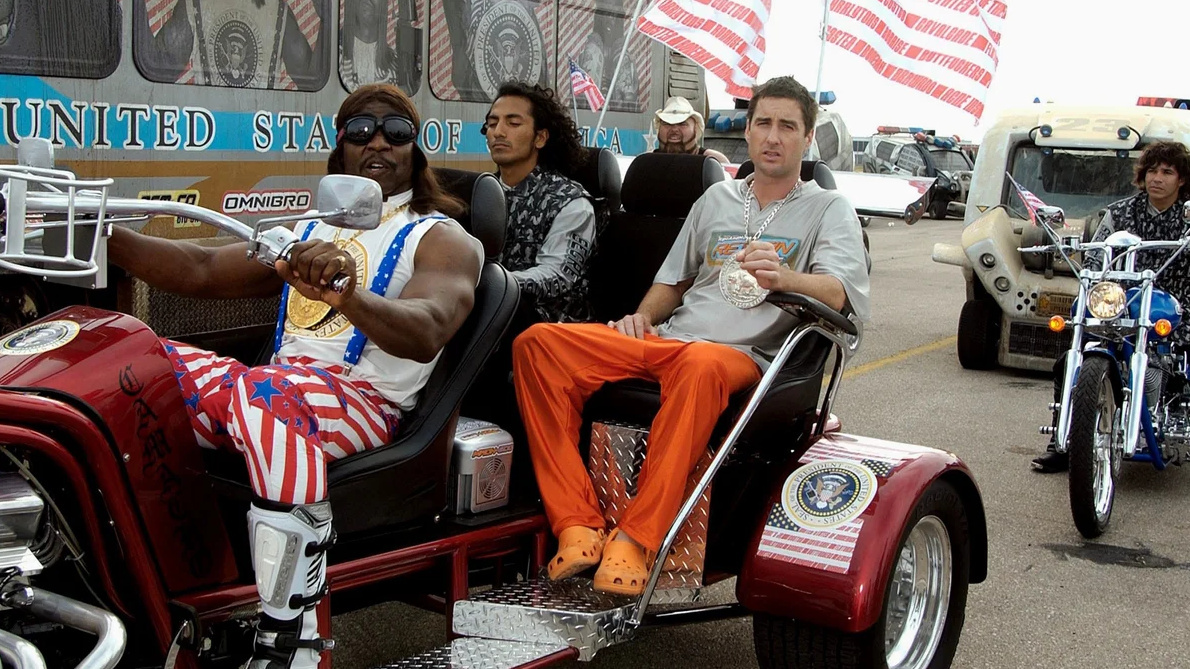
The rom-com leans heavily on the idea of its own importance, positioning itself as a cultural milestone before earning that status through story or chemistry. Instead of letting the relationship breathe, the film keeps reminding the audience why it matters, which drains the sweetness out of what should be a light, personal romance. When the humor and heart take a back seat to self-awareness, the result feels more like a lecture than a love story. | © Universal Pictures
Set in a glossy 1950s-style utopia, the film teases big ideas about control, gender roles, and modern anxieties but never sharpens them into something coherent. The concept stretches thin fast, repeating the same points without adding new insight or tension. What’s meant to feel provocative instead turns tedious, with ambition undercut by a lack of narrative momentum. | © Warner Bros. Pictures
Inspired by a real political conspiracy from the 1930s, the film aims for relevance but collapses under its own ambition. The story softens serious historical themes while piling on ideas it never fully explores, leaving the narrative bloated and unfocused. What should have been sharp and unsettling instead feels scattered, prioritizing surface-level messaging over clear storytelling or depth. | © 20th Century Studios
This origin story reimagined Buzz Lightyear as a grounded sci-fi hero, but the premise never justifies its own existence. A brief progressive subplot sparked controversy in some regions, yet it did little to distract from the bigger issue: a story that feels thin and oddly disconnected from what made the character beloved. Instead of expanding the universe in a meaningful way, the film plays like a calculated spin-off that exists more out of obligation than inspiration. | © Walt Disney Pictures
Pairing Tessa Thompson and Chris Hemsworth again seemed like a safe bet after their earlier chemistry, but this reboot never capitalizes on it. The playful banter that once carried their dynamic is mostly absent, replaced by stiff interactions and half-formed tension. Without that spark, the film feels like a hollow extension of a franchise that’s run out of ideas. | © Sony Pictures Releasing
This Harley Quinn spinoff leaned hard into attitude and empowerment, pairing Margot Robbie with a chaotic team-up story that never quite finds its footing. The movie throws a lot of ideas at the screen at once, but they clash more than they complement each other. Instead of feeling bold or fresh, it comes off scattered, like a bundle of half-formed concepts fighting for attention. | © Warner Bros. Pictures
The live-action remake reworked the story to align with modern sensibilities, including removing a character dynamic deemed uncomfortable for the era. In doing so, it also stripped away much of the charm, humor, and emotional lift that made the original resonate. What remained felt stiff and joyless, with a flat approach to storytelling that left audiences cold rather than inspired. | © Walt Disney Pictures
This reboot tried to reinvent Lara Croft by stripping away her iconic flair and leaning hard on grit and realism. The emphasis on athleticism over personality left the film feeling flat and oddly generic, despite Alicia Vikander’s commitment to the role. Mixed reactions and fading interest sealed its fate, and plans for a sequel were quietly dropped a few years later. | © Warner Bros. Pictures
The film sets out to tell an earnest, interconnected story about loneliness, kindness, and survival in New York, but the execution never matches the ambition. Heavy themes like homelessness and abuse are handled in a blunt, uneven way that leans more toward moral posturing than emotional truth. What’s meant to feel compassionate instead comes across as awkward and melodramatic, leaving the ensemble stranded in a story that never quite works. | © Vertical Entertainment
The gender-swapped remake paired Anne Hathaway and Rebel Wilson as rival con artists, but the concept never clicks. The setups feel thin, the jokes fizzle out quickly, and the leads struggle to generate real chemistry. Rather than reimagining the original in a clever way, the movie comes off as an uninspired swap that adds little beyond the casting change. | © United Artists Releasing
On paper, the idea of two friends running a beauty company together sounded like an easy comedy win. Instead, the film barely explores their relationship or the realities of women navigating business, settling for surface-level jokes. Awkward dialogue and forced antics take over, leaving the movie feeling thin, unfocused, and strangely unfunny. | © Paramount Pictures
The all-female reboot arrived with a stacked comedy cast, but the concept proved far stronger on paper than on screen. The movie became hugely divisive, drawing backlash online while failing to win over enough moviegoers to justify its scale. Even viewers open to the gender-swapped idea felt the execution was toothless, with the emphasis on empowerment replacing the sharp humor and edge that once defined the franchise. | © Columbia Pictures
The return of Linda Hamilton and Arnold Schwarzenegger sounded promising, but the film struggled to justify its own existence. It leaned heavily on overt girl power themes while overlooking the fact that the original movies already featured one of sci-fi’s strongest female leads without making a spectacle of it. The result felt redundant and heavy-handed, and audiences largely stayed away, turning the comeback into a costly misfire. | © Paramount Pictures
The sequel brought back Gal Gadot and expanded the cast, but the story struggled under the weight of its own themes. What was meant to feel empowering came off as performative, with big ideas pushed ahead of coherent storytelling. Add a chaotic plot and tonal confusion, and the result left many fans wondering how a follow-up to such a strong original went so wrong. | © Warner Bros. Pictures
The reboot pushed hard on updated messaging, including redefining Kristen Stewart’s character, but it ended up drowning out the playful energy the franchise was known for. Even the director later acknowledged that the movie was framed like a statement piece when it was meant to be simple action entertainment. Audiences didn’t buy it, critics didn’t either, and the film quickly earned a reputation for feeling forced rather than fun. | © Sony Pictures Releasing
Some movies aim to update familiar genres with modern ideas. Others let the message overpower the story, characters, and basic craft. These films promised relevance, but critics and audiences felt the execution missed the mark.