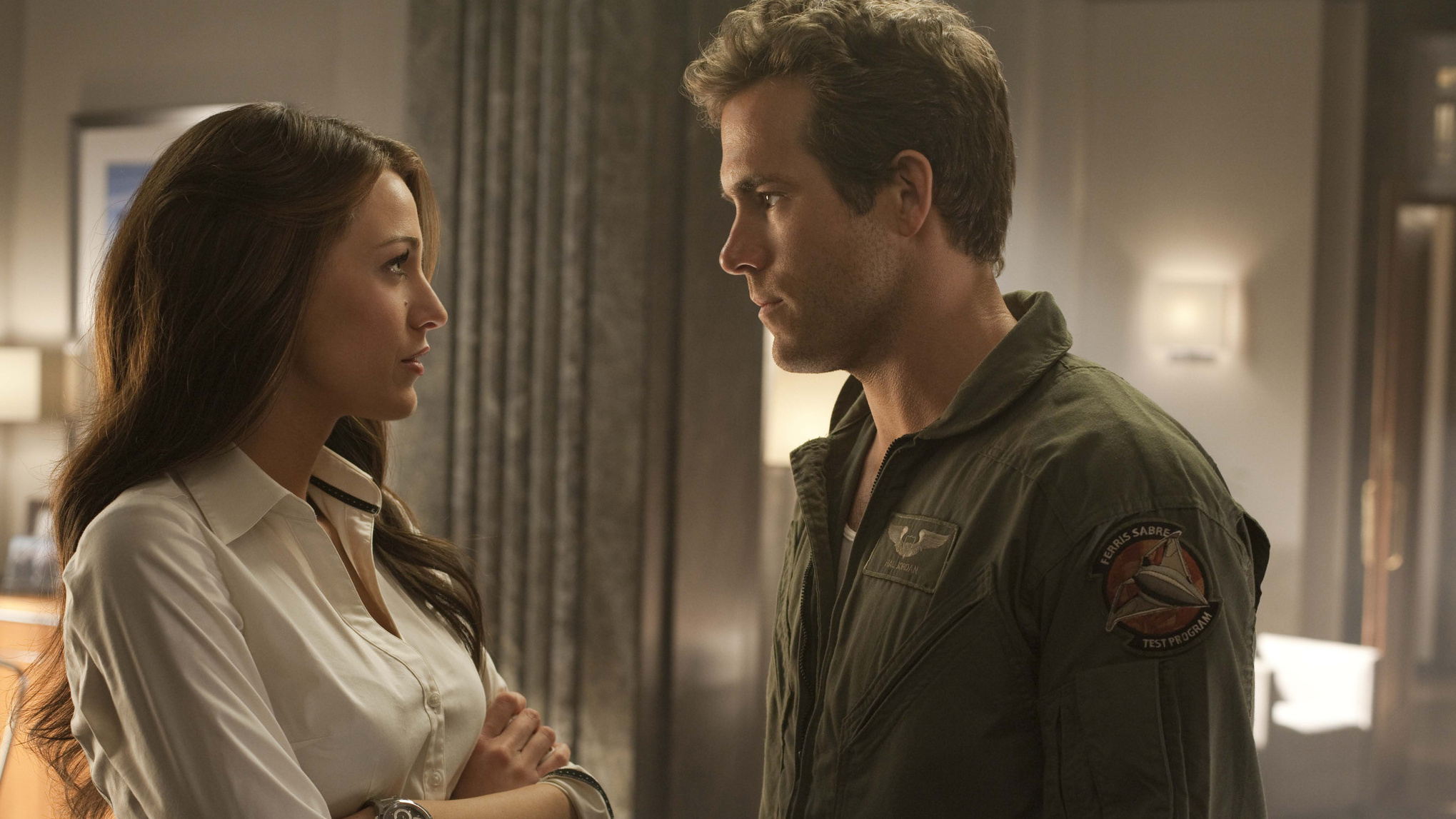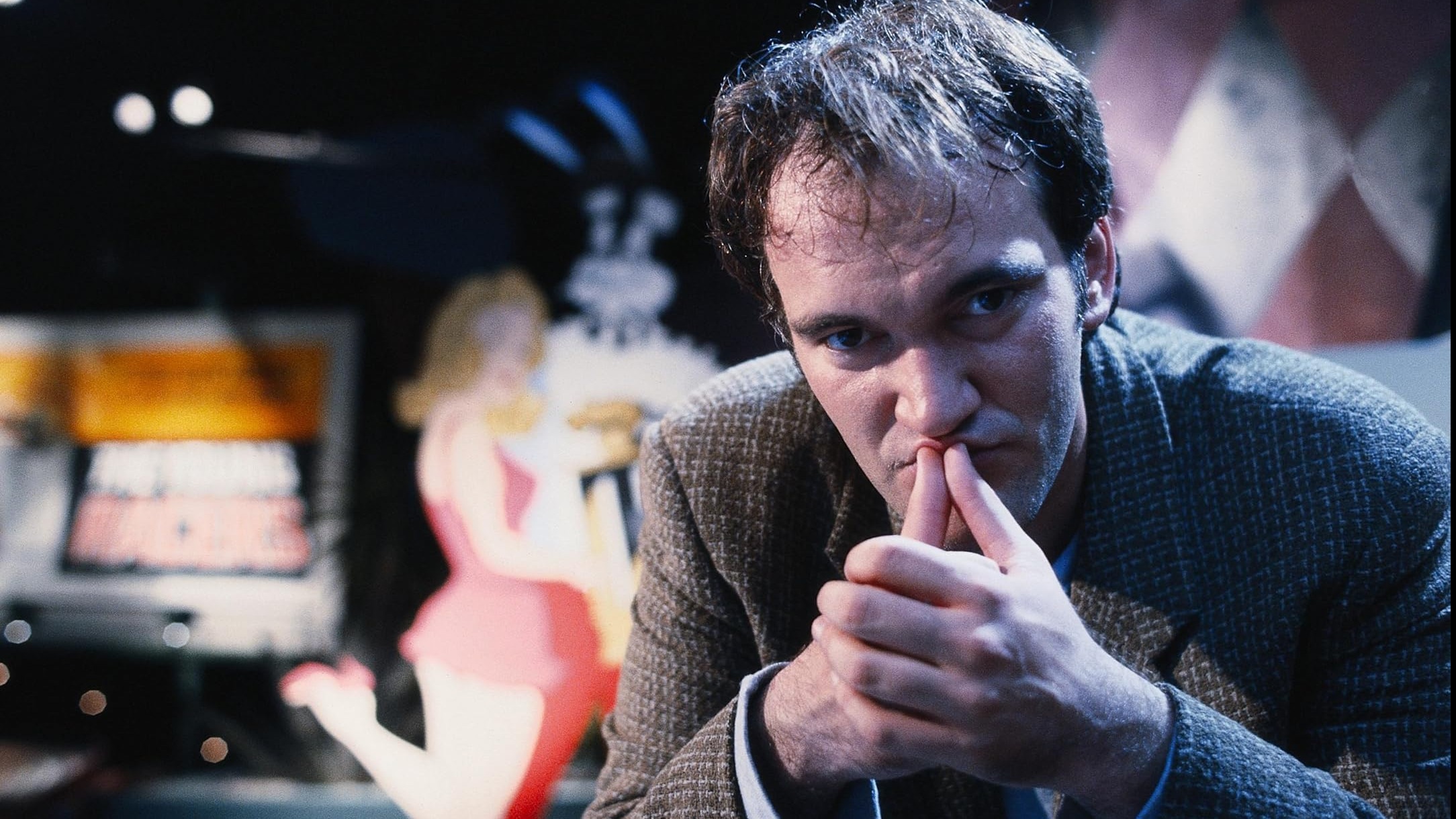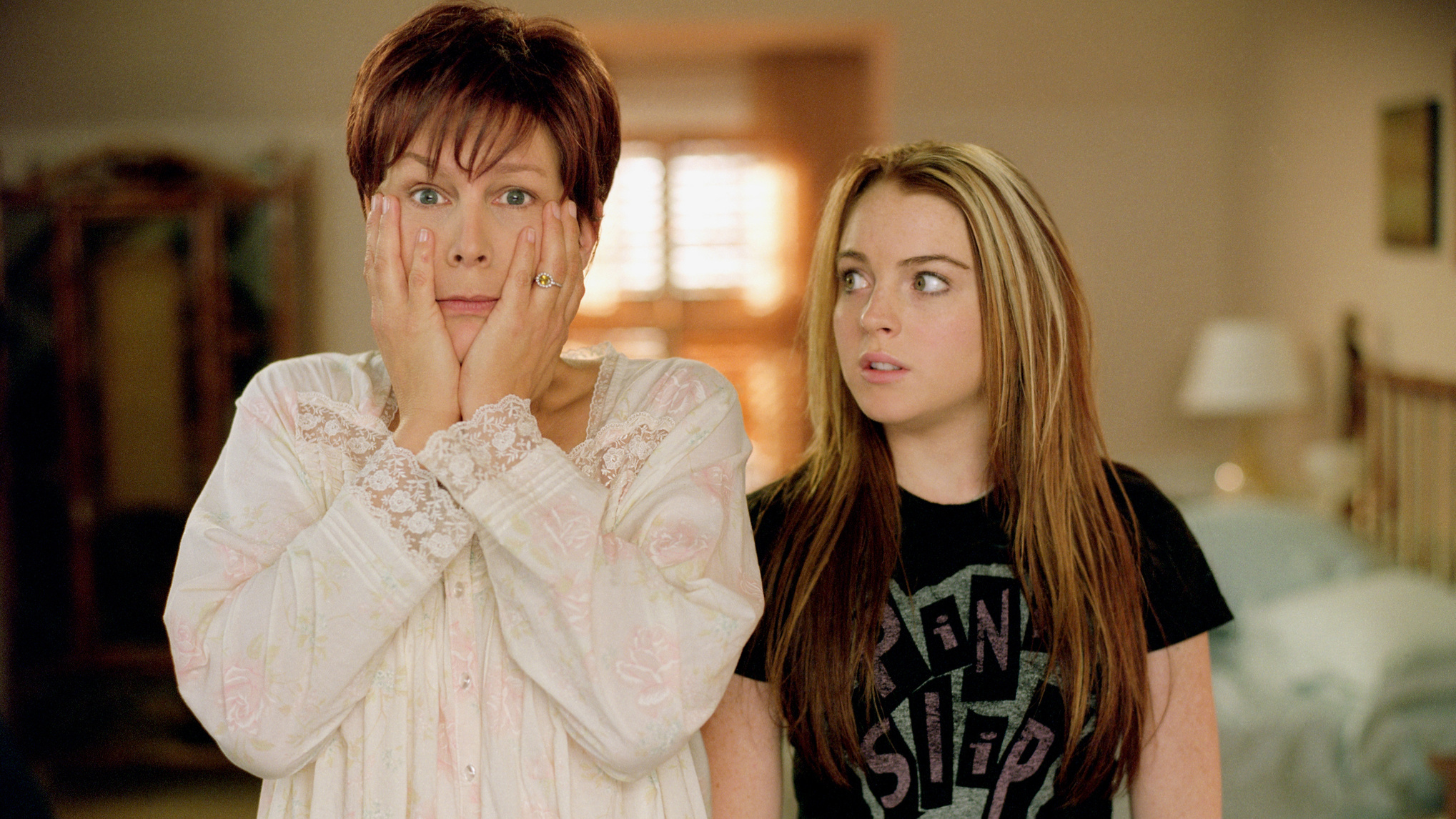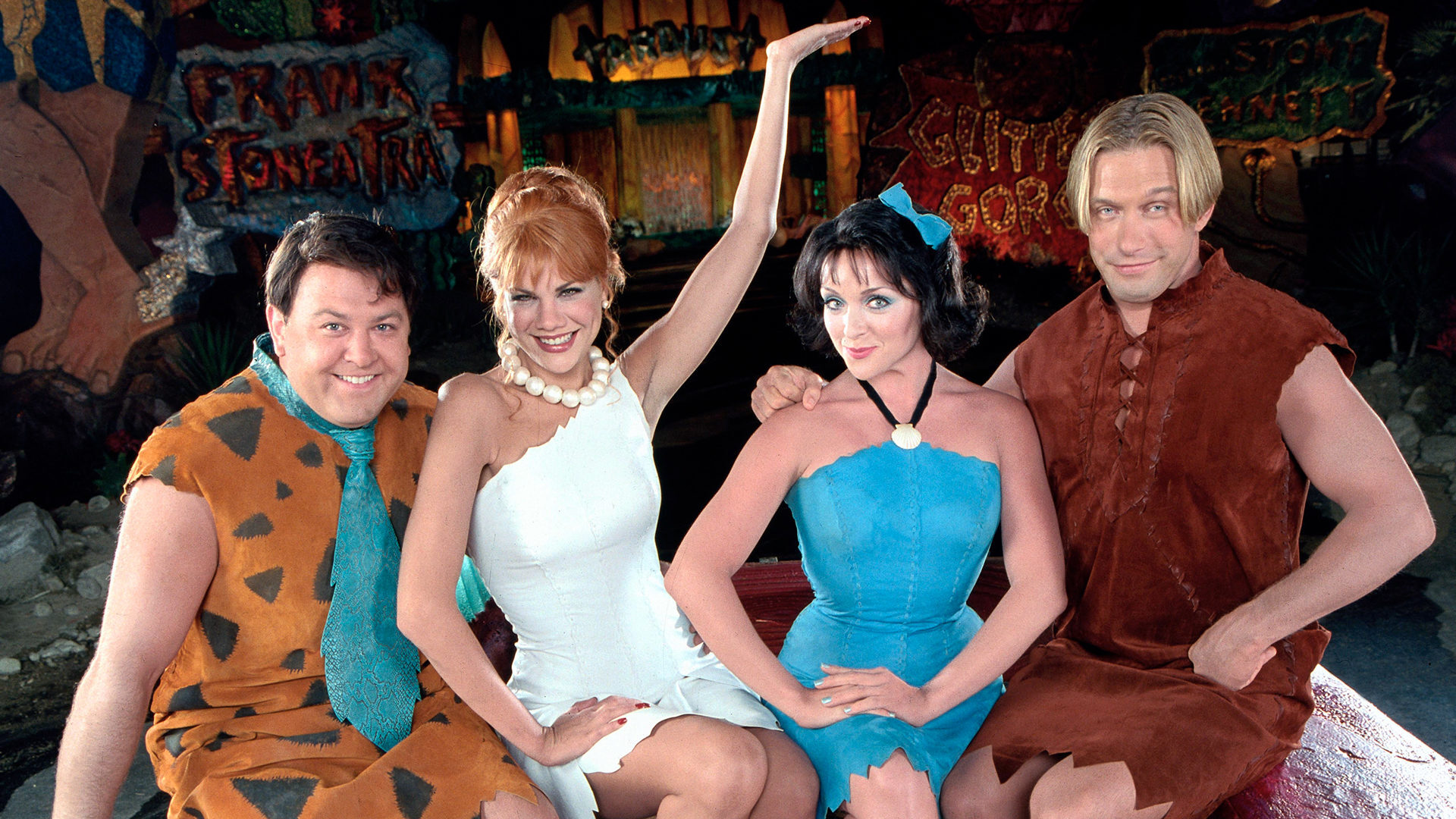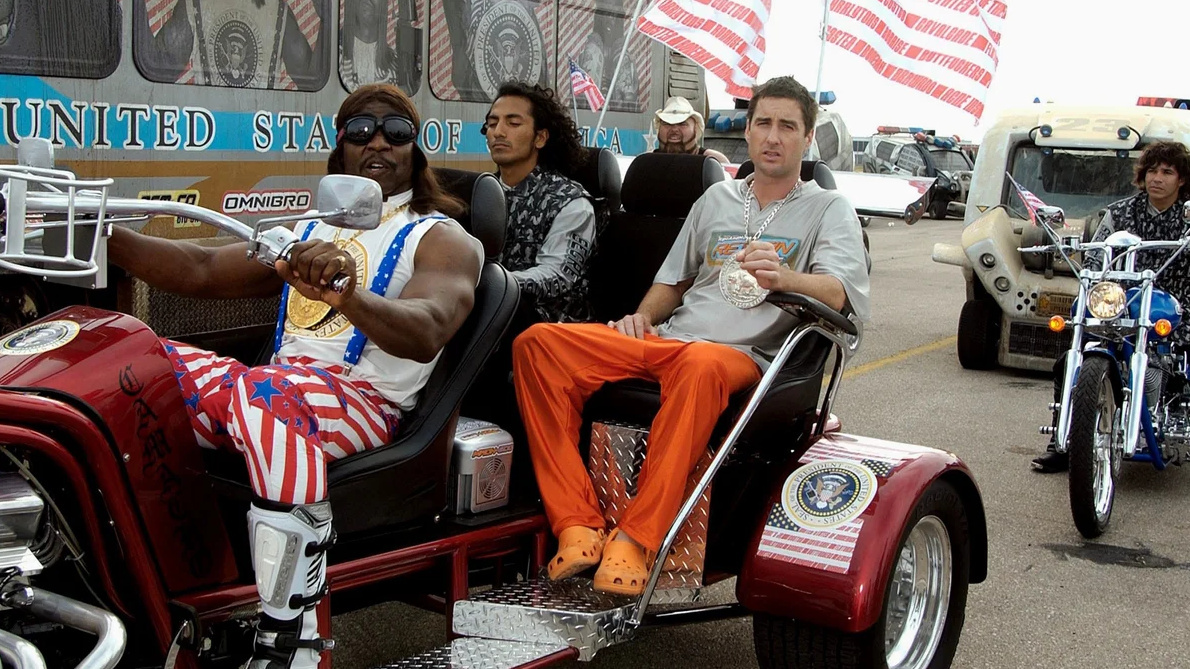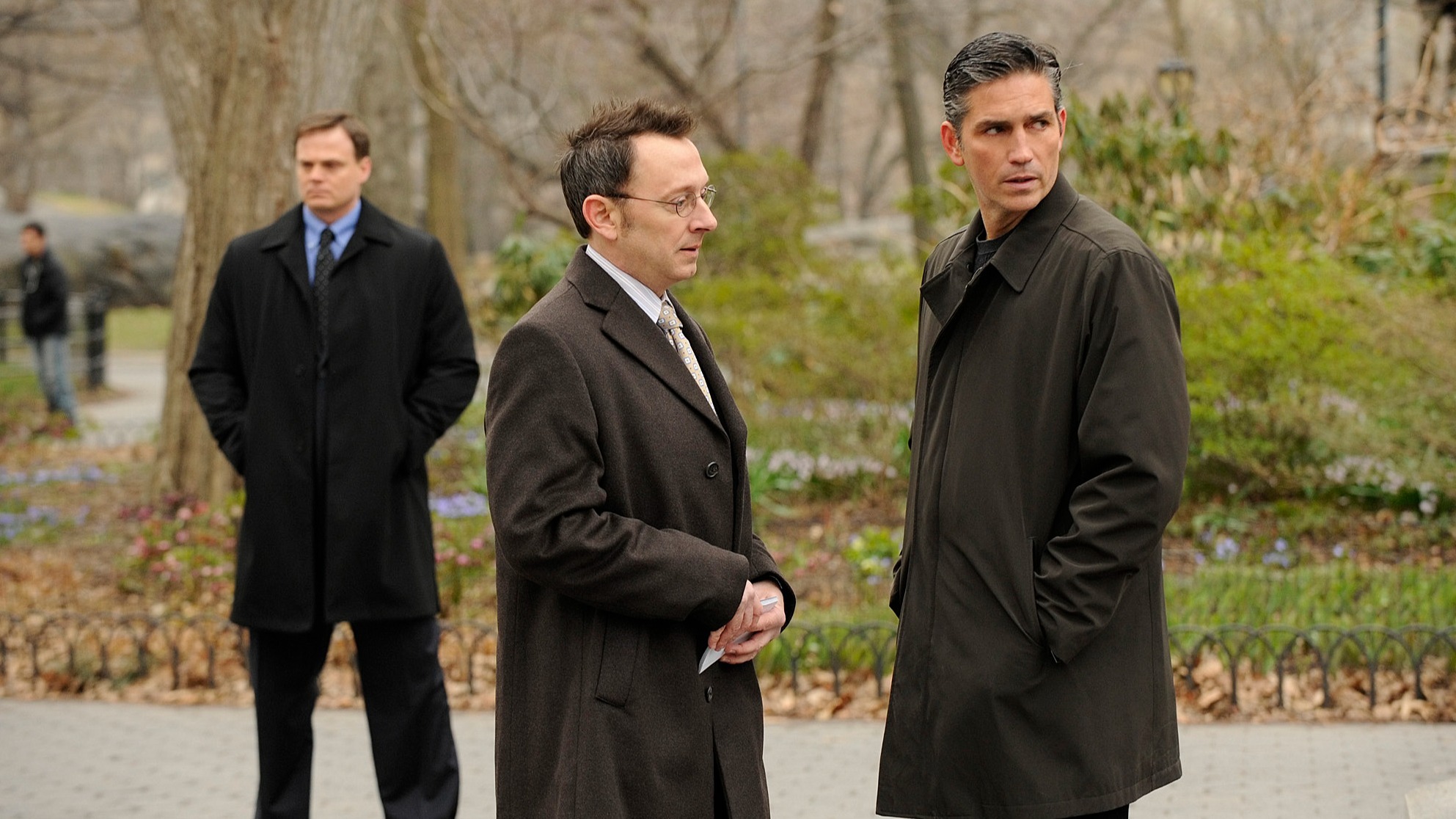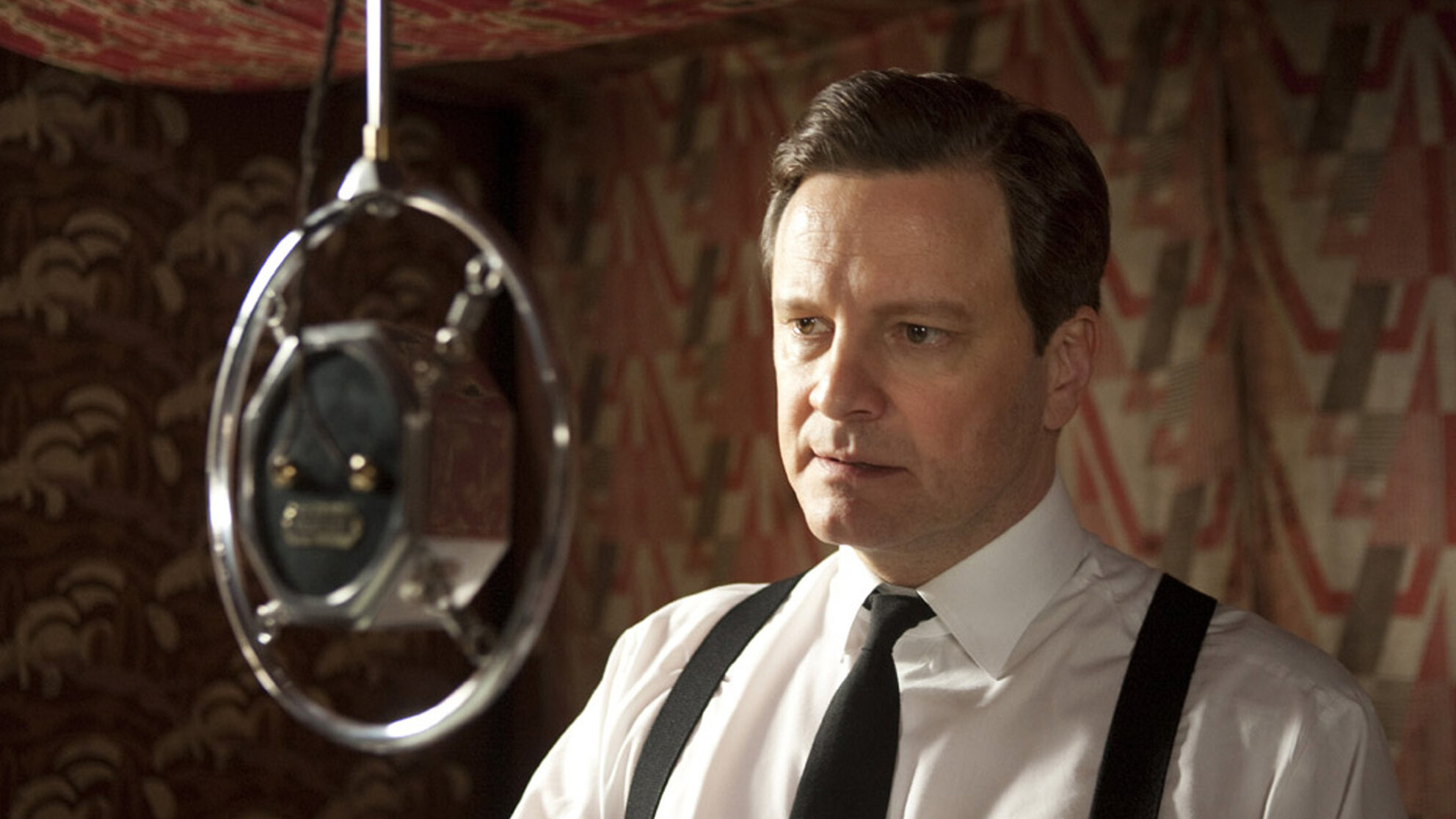















Some movies don’t just age well, they quietly rewrite the rules. Long before the tools existed, these films imagined new ways to use sound, structure, and visuals. This list looks at 15 movies that felt like they came from the future.
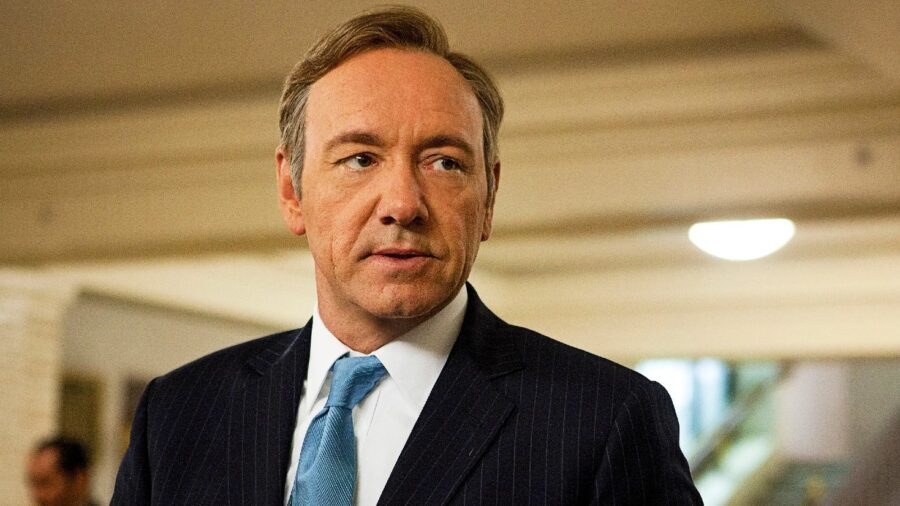
Lawrence of Arabia balanced epic scale with intimate character work in a way few films had attempted before. The vast desert imagery never overwhelms Peter O’Toole’s performance, instead framing his inner conflict with striking clarity. That blend of spectacle and psychology is why the film still feels modern despite its age. | © Columbia Pictures
The Godfather treated a crime story with the patience and seriousness of classic drama rather than pulp entertainment. The controlled pacing, shadow-heavy visuals, and grounded performances made power feel quiet and dangerous instead of flashy. It reshaped how prestige filmmaking looks and sounds, and its influence is still everywhere. | © Paramount Pictures
Inception turned a dense, high-concept idea into something audiences could actually follow without watering it down. The visuals, score, and structure work together to guide you through layers of reality while still leaving room for doubt. It showed that blockbuster cinema could be smart, emotional, and technically bold at the same time. | © Warner Bros. Pictures
Pulp Fiction broke narrative rules without feeling messy, trusting audiences to piece the story together on their own. The sharp dialogue and unforgettable characters made even casual conversations feel electric. Long before nonlinear storytelling became trendy, it proved that structure could be playful without losing control. | © Miramax Films
Avatar pushed immersion further than most movies had dared, making the world feel physical, emotional, and easy to get lost in. The technology wasn’t used as a gimmick but as a tool to pull viewers fully into the experience. Even years later, few films have matched how completely it absorbs an audience from start to finish. | © 20th Century Fox
The Shining used space, repetition, and slow psychological pressure to create horror that doesn’t rely on jump scares. The imagery feels carefully controlled and unsettling, turning empty hallways and quiet moments into threats. Decades later, its visuals and ideas are still being referenced because no one has figured out how to truly replicate them. | © Warner Bros. Pictures
Seven Samurai laid down storytelling and visual rules that modern action and ensemble films still rely on. The careful buildup, character focus, and kinetic battle staging gave weight to every moment, not just the fighting. Long before blockbusters existed, it proved that epic scale works best when driven by human stakes. | © Toho
Star Wars: Episode IV - A New Hope built a massive, believable universe at a time when most sci-fi still felt small or theatrical. Practical effects, a sweeping score, and clear visual storytelling made the galaxy feel alive rather than futuristic for its own sake. It didn’t just start a franchise; it set the visual and emotional rules modern blockbusters still follow. | © 20th Century Studios
The Matrix arrived with a visual language nobody had seen before, blending philosophy, sci-fi, and action into one clean, confident vision. Bullet time, slow-motion combat, and that stark black-and-green world didn’t just look cool, they reshaped how action scenes were designed. Even years later, the film still feels modern because the ideas and the execution were perfectly in sync. | © Warner Bros. Pictures
2001: A Space Odyssey changed what science fiction could be, treating the genre like abstract cinema rather than straightforward storytelling. Long stretches of silence, cosmic imagery, and unanswered questions forced audiences to think instead of being guided. Decades later, its ideas about technology, evolution, and humanity still feel unresolved, which is exactly why the film hasn’t aged. | © Warner Bros. Pictures
Raging Bull refused to make its main character likable, heroic, or easy to root for, which was a risky move at the time. The stark black-and-white visuals and brutal fight scenes mirror Jake LaMotta’s inner violence rather than glamorizing his success. Long before antiheroes became common, the film treated self-destruction as the point, not a phase to overcome. | © United Artists
Apocalypse Now turned a war movie into a psychological descent, using sound, music, and imagery to make the journey feel oppressive and disorienting. The slow trip upriver isn’t about missions or victories, but about watching order fall apart piece by piece. Few films before it were this willing to sit in chaos and show war as something that consumes the mind long after the fighting stops. | © Paramount Pictures
Jurassic Park proved that spectacle works best when grounded in tension, not excess, mixing practical effects and early CGI in a way that still holds up. The sound design and John Williams’ score do as much work as the dinosaurs themselves, turning simple footsteps into pure suspense. It set a blueprint for blockbuster filmmaking that many big-budget movies still try to copy, and rarely improve on. | © Universal Pictures
Alien treated sci-fi like horror long before that crossover felt normal, building fear through darkness, silence, and industrial design instead of flashy tech. The slow burn, brutal creature reveals, and claustrophobic ship made space feel hostile and unsafe in a way audiences weren’t used to. It also quietly flipped expectations by letting Ripley survive through intelligence and resolve, not luck or rescue, which felt radical at the time. | © 20th Century Fox
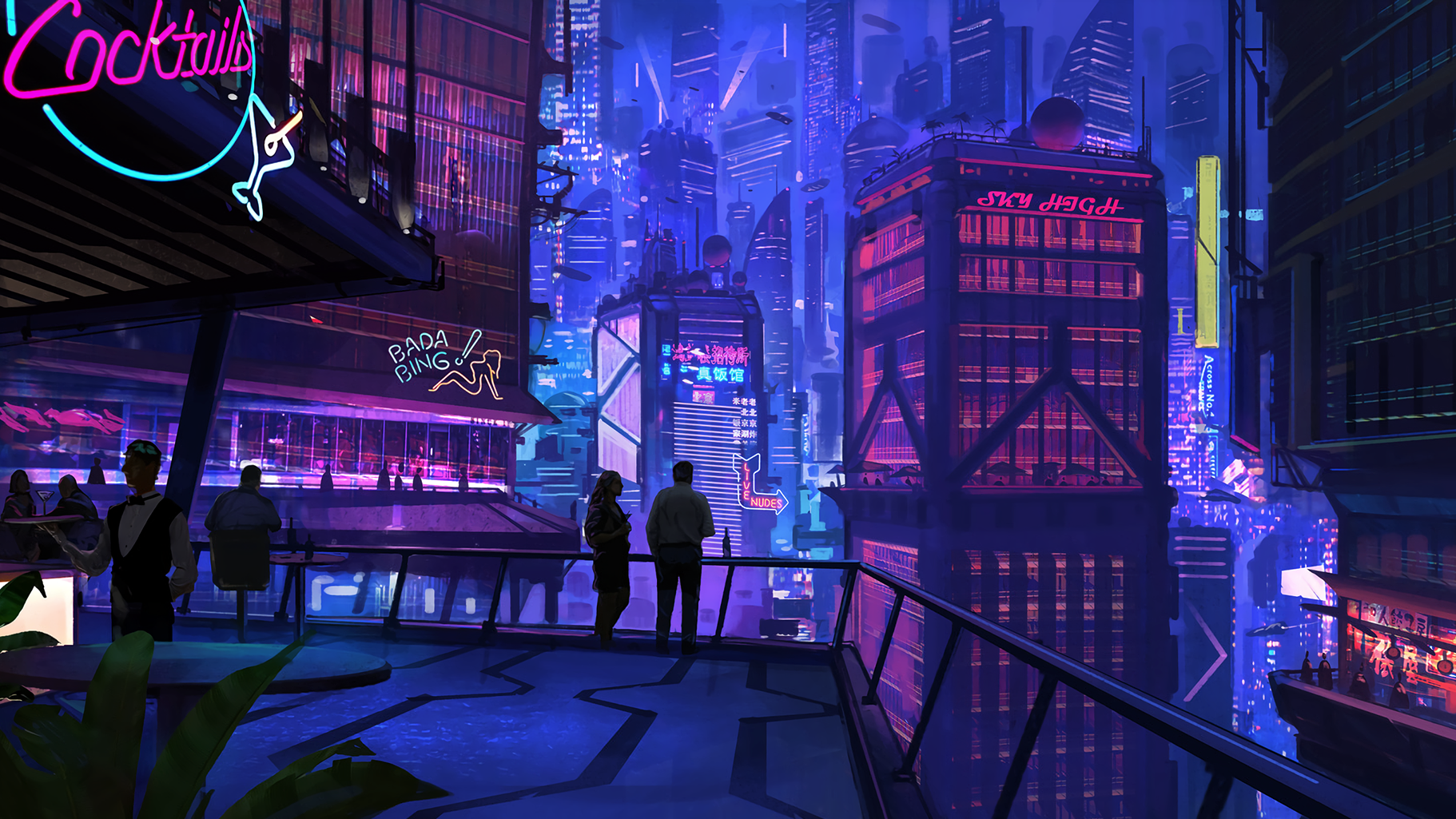
Blade Runner presented a future that felt dirty, crowded, and emotionally heavy, not clean or heroic like most sci-fi at the time. Neon streets, slow pacing, and Vangelis’ score created a mood-first approach that trusted atmosphere over action. Years later, films are still borrowing look and questions about identity, technology, and what it means to be human. | © Warner Bros. Pictures
Some movies don’t just age well, they quietly rewrite the rules. Long before the tools existed, these films imagined new ways to use sound, structure, and visuals. This list looks at 15 movies that felt like they came from the future.