

















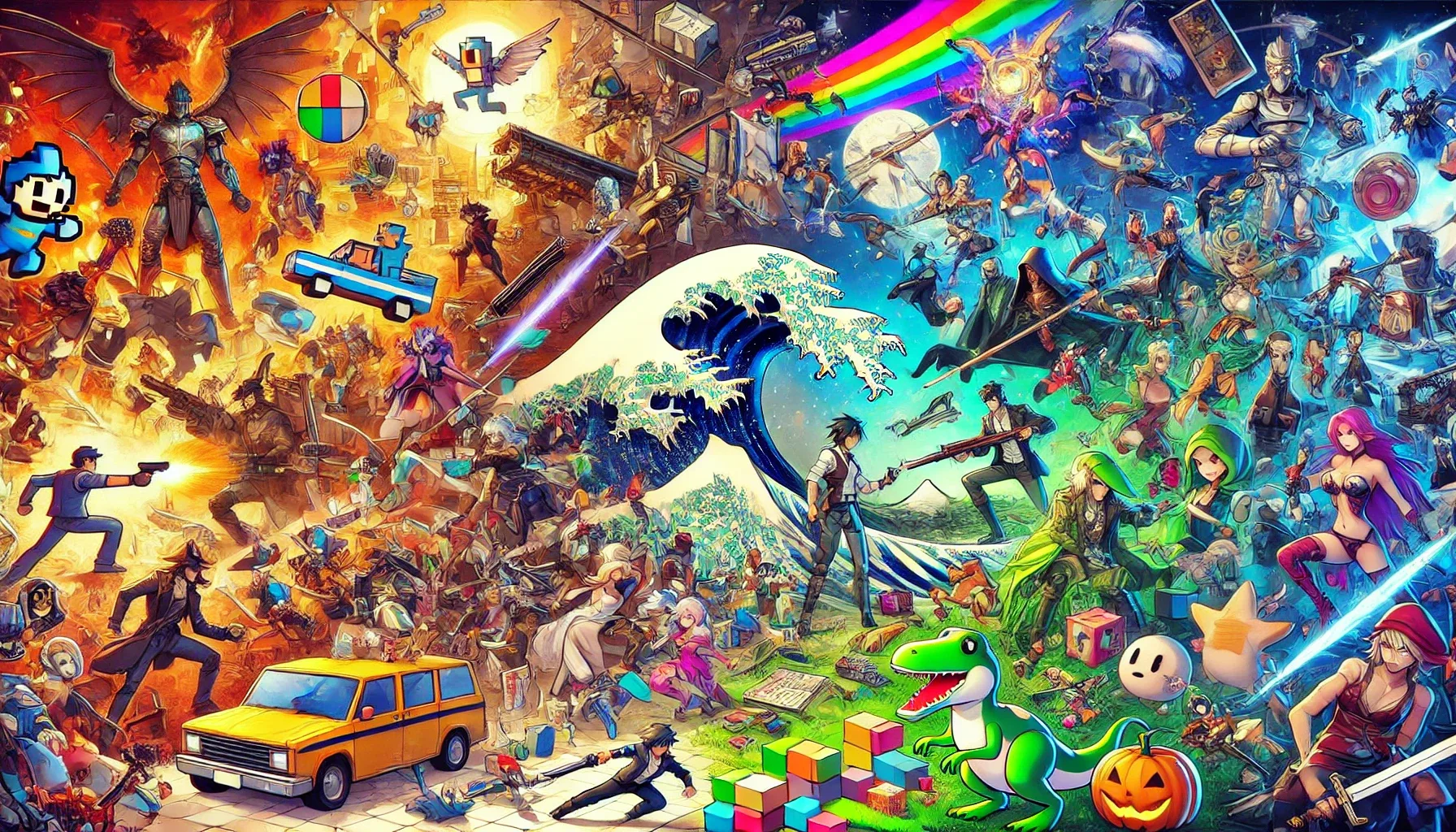





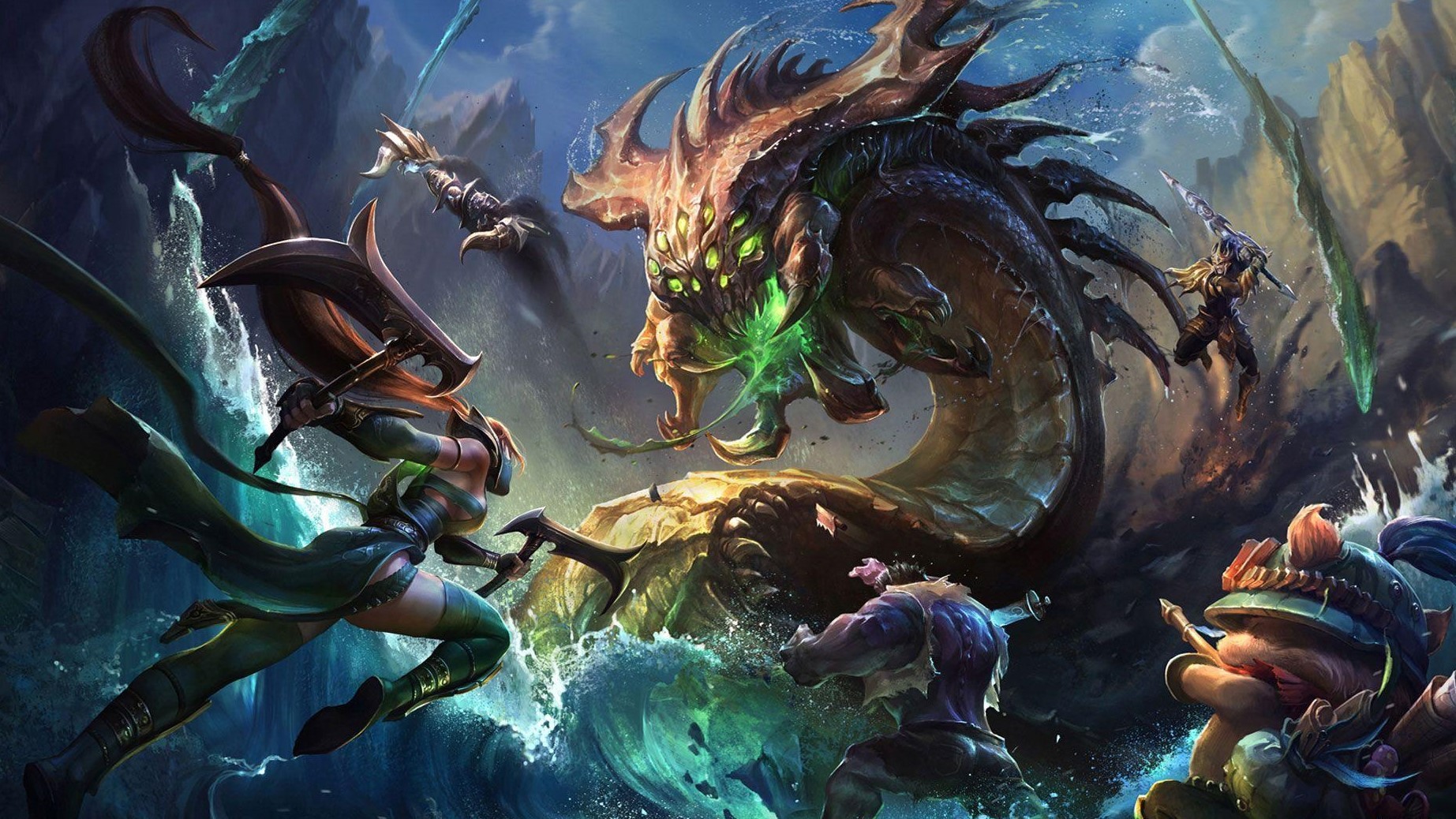



Some games don't just entertain, they move the whole medium forward, introducing ideas everyone else scrambles to copy. Here are 15 video games that pushed the industry forward.

Changing the game.
Allan Alcorn built Pong as a training exercise Atari's Nolan Bushnell gave him in 1972, never expecting it to ship. The first prototype jammed with quarters within days at a bar in Sunnyvale, California, because the coin box filled up too fast. Atari had to sell it as a standup arcade cabinet just to keep pace with demand. A game meant as practice ended up starting an entire industry. | © Atari
Subscriptions were supposed to be a hard sell for PC gaming, but World of Warcraft broke that assumption fast after its 2004 release. Blizzard's game hit 12 million subscribers by 2010, a number no Western MMO has matched since. Players weren't just buying a game, they were paying monthly rent on a second life. That number reshaped how publishers thought about long term revenue entirely. | © Blizzard Entertainment
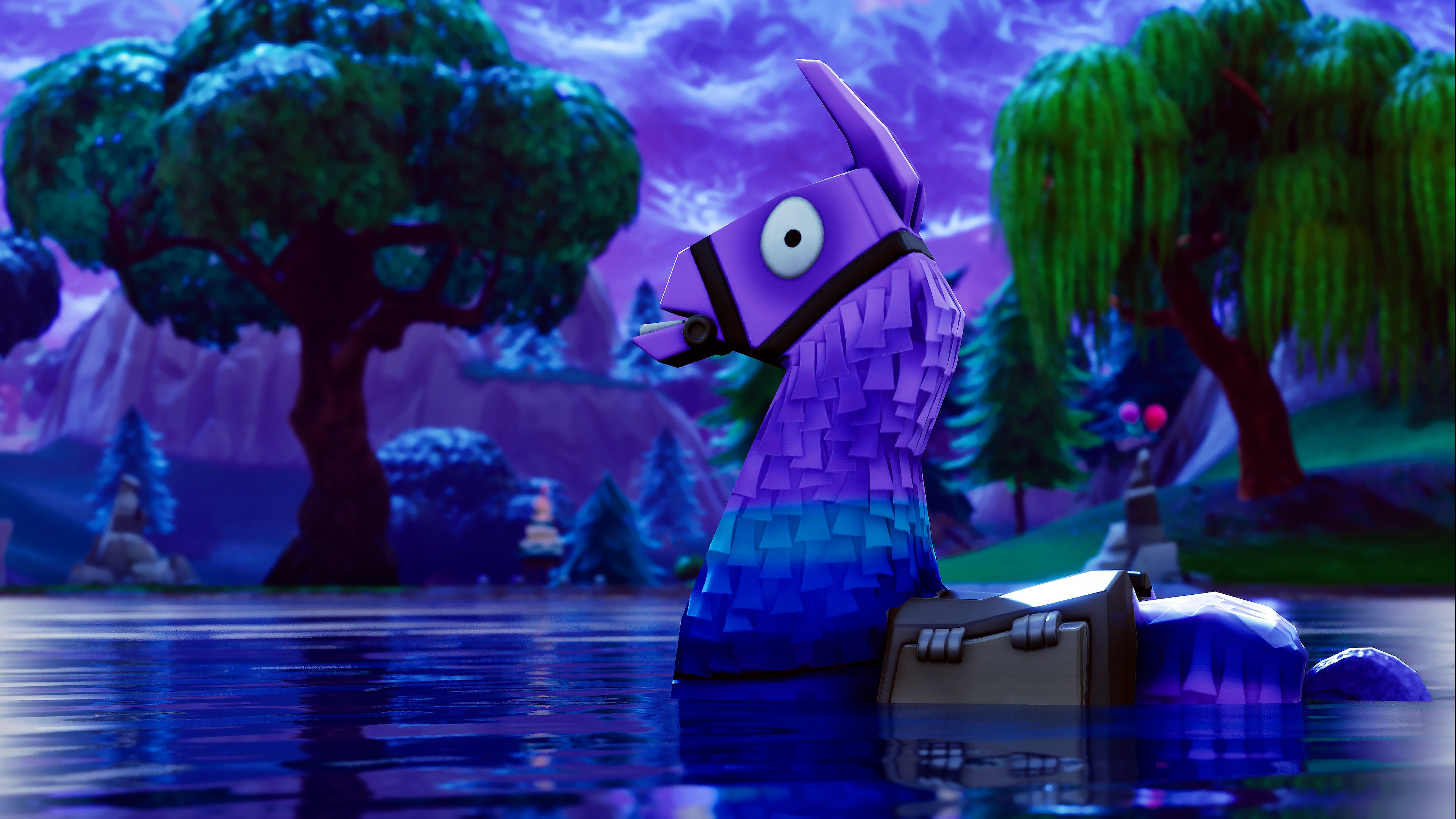
A hundred players land on an island, and only one walks away, and Fortnite turned that premise into a cultural fixture starting in 2017. Epic Games made the core mode free, then sold nothing but skins and dances, and by 2018 it was pulling in over a billion dollars a quarter. Musician Marshmello even played a live concert inside the game in 2019, watched by more than 10 million players at once. It stopped being a shooter and became a place people just showed up to. | © Epic Games
Markus Persson coded the first version of Minecraft alone over a few days in 2009, before Mojang existed as a company. There were no quests, no story, just blocks and the option to dig or build with them. Microsoft bought the whole thing in 2014 for 2.5 billion dollars, and it has since sold over 300 million copies worldwide. A game with no real goal became the bestselling one ever made. | © Mojang / Xbox Game Studios
Sam Houser's team put Liberty City in three full dimensions and let players ignore the story completely. Grand Theft Auto III came out in October 2001 on Rockstar's PS2 exclusive deal before hitting PC the next year. There's no cover system, no minimap, no objective forcing your hand, just a stolen car and a direction. It sold over 14 million copies and made "open world" a genre pitch instead of a novelty. | © Rockstar Games
Bungie built Halo as a real-time strategy game before Microsoft got involved and pushed it toward a shooter. Halo: Combat Evolved launched alongside the original Xbox in November 2001. The two-weapon limit forced players to actually choose their loadout instead of hoarding an arsenal. Xbox Live wasn't even active yet at launch, but split-screen sessions of that game sold consoles on their own. | © Microsoft Game Studios
Gordon Freeman never speaks a single line in the entire game, which was Valve's decision from day one. Half-Life shipped in November 1998 and folded its story into scripted events instead of cutscenes you watch passively. Marc Laidlaw wrote the script, and the scientists at Black Mesa talk to you mid-combat like the world hasn't stopped for a plot point. It set the template for how shooters would handle narrative for the next decade. | © Sierra Studios
Aerith's death scene got translated into over a dozen languages, and none of them softened it. Final Fantasy VII arrived in the US in September 1997, spread across three discs for the PlayStation. Square spent an estimated $40 million developing and marketing it, a figure almost nobody in games had touched before. That budget bought pre-rendered backgrounds so detailed that players forgave the blocky character models standing in front of them. | © Sony Computer Entertainment
A mansion, a handful of ink ribbons, and suddenly running out of ammo felt like the whole point. Resident Evil released in March 1996 on the original PlayStation, directed by Shinji Mikami. Fixed camera angles meant you couldn't see what was around the next corner, which was exactly the idea. It sold more than five million copies and gave survival horror its name. | © Capcom
Shigeru Miyamoto reportedly spent months on Super Mario 64's camera system alone before touching level design. That decision made sense once players saw Peach's Castle rendered in full 3D space. The game shipped in 1996 as a launch title for the Nintendo 64, built around 15 accessible stars just to explore the hub. Analog control finally matched what 3D worlds needed. | © Nintendo
id Software released Doom as shareware in December 1993, and that distribution choice mattered as much as the game itself. Players downloaded the first episode free, then mailed a check for the rest. John Carmack's engine rendered corridors and enemies fast enough that schools and offices banned it from their networks. First-person shooters existed before this, but almost none of them moved. | © id Software
A sword, a shield, and a battery inside the cartridge. The Legend of Zelda shipped in Japan in 1986 with a save function, which was unusual enough that Nintendo priced the cartridge higher to cover it. Shigeru Miyamoto based Hyrule's overworld on the woods and caves he explored as a kid near Kyoto. Nobody had to finish it in one sitting anymore. | © Nintendo
Alexey Pajitnov built Tetris in 1984 on a Soviet Elektronika 60 computer, with no graphics card to speak of. The falling blocks were originally drawn using text characters because that's all the machine could render. Rights to the game got tangled in Cold War bureaucracy for years before Nintendo secured the handheld version. It ended up bundled with the original Game Boy in 1989, and that pairing is why the console sold at all. | © Nintendo
Nintendo bundled Super Mario Bros. with the NES in 1985, betting an entire console launch on one side-scrolling cartridge. Shigeru Miyamoto and Takashi Tezuka packed World 1-1 with hidden pipes and blocks specifically to teach players the controls without a manual. The game sold over 40 million copies across its original release. That's the moment platformers stopped being a genre and became the default. | © Nintendo
Some games don't just entertain, they move the whole medium forward, introducing ideas everyone else scrambles to copy. Here are 15 video games that pushed the industry forward.