























Anime films in the 2020s didn’t play it safe. They took risks, chased bigger emotions, and proved that animated stories can hit just as hard as live-action cinema. These movies stand out not just for how they look, but for how they make you feel.
Violet Evergarden: The Movie delivers a quiet, emotional finale that stays true to the series’ slow-burn approach. The impact lands hardest if you’ve followed Violet’s journey from the beginning, since her growth and relationships drive everything here. The ending may feel overwhelming to some, but it fits the character and the story’s closing. | © Funimation
Chainsaw Man – The Movie: Reze Arc takes everything that made the series stand out and pushes it into a tighter, more focused story built for theaters. The spectacle and chaos are still there, but the film’s real strength comes from its character dynamics, especially Denji’s fragile, doomed connection with Reze. Knowing where it’s headed only makes the quiet moments hit harder, before the story snaps into full-on action and leaves a lasting mark. | © Crunchyroll
Jujutsu Kaisen 0 works as both a strong standalone story and a meaningful expansion of the series’ world. By shifting focus to a new lead, the film adds emotional context that deepens the main story without feeling like homework. Sharp pacing, character-driven humor, and tightly staged action make it easy to see why it connected so strongly with fans. | © Crunchyroll
Nimona sneaks up on you with sharp humor and a lot more heart than you might expect, asking big questions about trust, justice, and belief without slowing the story down. Even if the broad outline feels familiar, the energy, character chemistry, and confident pacing make predicting anything feel pointless. By the time the final act hits, the film leans fully into emotion, driven by a lead character whose personality, flaws, and chaos feel alive. | © Netflix
A Whisker Away follows a teenage girl who turns into a cat to get closer to the boy she likes, slowly realizing how tempting it is to stay in that simpler form. What begins as a playful fantasy shifts into something more thoughtful as the story questions escape, identity, and emotional honesty. Light, warm, and easy to watch, the film pairs its gentle romance with colorful visuals that make it perfect for a relaxed, feel-good viewing. | © Crunchyroll
The Boy and the Heron marks Hayao Miyazaki’s long-awaited return, following a grieving boy who stumbles into a strange, dangerous world while trying to process the loss of his mother. The fantasy isn’t just an escape, it mirrors Mahito’s inner turmoil and quietly guides him toward understanding it. By reflecting on themes Miyazaki has explored in his career while also looking inward, the film feels personal, reflective, and fittingly final. | © GKIDS
Inu-Oh centers on a cursed boy cast out from society who forms a powerful bond with a blind musician haunted by his past. Their friendship turns into something electric once Inu-Oh discovers his gift for dance, drawing crowds to performances that feel more like events than concerts. By blending ancient rituals with the energy of a modern rock show, the film tells a moving story about art, identity, and being seen on your own terms. | © GKIDS
The Tunnel to Summer, the Exit of Goodbyes follows a teenager who discovers a strange tunnel said to grant wishes at the cost of time itself. Teaming up with a classmate, he risks everything for a chance to reconnect with someone he lost. The story uses its supernatural hook to explore grief, memory, and growing up, landing on emotions that feel personal and quietly universal. | © Sentai Filmworks
Look Back tells a compact but deeply emotional story about two young artists whose rivalry slowly turns into an unexpected bond. Through drawing and shared ambition, the film shows how creation can connect people and leave lasting marks on their lives. At just under an hour, it wastes no time building toward moments of heartbreak and growth that hit harder than many full-length dramas. | © GKIDS
Pompo the Cinephile centers on an energetic movie lover in the film capital of Nyallywood who pushes her shy assistant into directing his first feature. What starts as a playful setup slowly turns into a sincere look at the creative grind behind making a movie. By turning editing, sound work, and late-night problem-solving into visual set pieces, the film captures why the act of creating can be just as exciting as the finished result. | © GKIDS
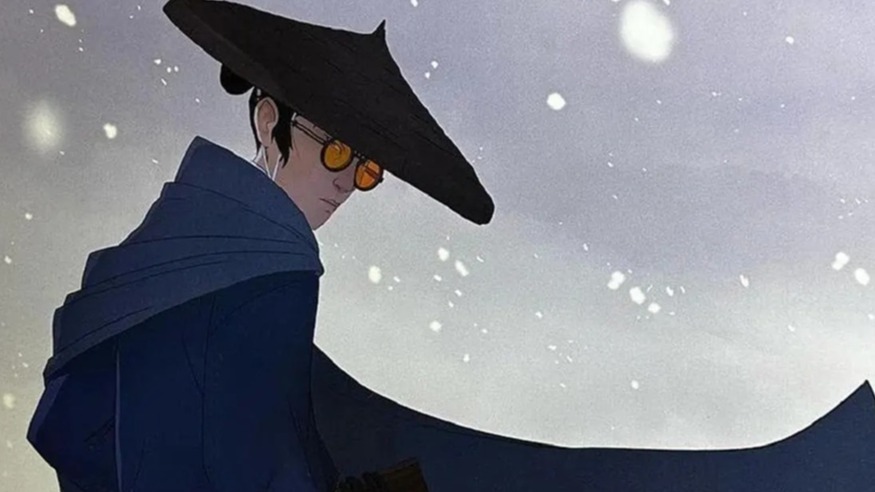
Blue Giant follows a high schooler obsessed with jazz who pulls together an unlikely band and chases the dream of playing on a real stage. The story keeps things grounded, focusing on practice, failure, and the strange bond that forms when people commit to making music together. Sharp, stylized animation paired with raw jazz performances captures why playing live can feel overwhelming, addictive, and life-defining all at once. | © GKIDS
Belle reworks Beauty and the Beast through the lens of the digital age, following a withdrawn teenager who escapes into a massive online world where she becomes a beloved pop icon. That fantasy cracks when she crosses paths with a feared, mysterious figure who mirrors her own hidden pain. The film uses social media and virtual identity in a way that feels natural and personal, turning a familiar fairy tale into a modern story about grief, connection, and self-acceptance. | © GKIDS
The Dumpster Battle shows why sports anime can hit just as hard as any action series, turning a volleyball rivalry into pure adrenaline. The film leans into everything that made Haikyu!! such an easy entry point for newcomers, from its likable cast to its clear, emotionally driven stakes. Big-screen energy elevates the matches, making the action sharper, louder, and more satisfying than ever. | © Crunchyroll
Suzume follows a seemingly ordinary teenager whose life flips after meeting a mysterious young man tied to magical doors that prevent disasters across Japan. A strange twist involving a mischievous cat and a living chair turns the journey personal, forcing Suzume to grow fast while helping fix what’s been broken. Familiar Shinkai themes return, but the film stands apart through its quiet reflections on the 2011 earthquake, giving the story emotional weight that feels personal rather than abstract. | © Crunchyroll
Mugen Train puts Tanjiro and the crew aboard the Infinity Train, where they join Fire Hashira Kyojuro Rengoku against a demon deadlier than anything they’ve faced before. The movie doesn’t feel optional at all, continuing the main story as a direct bridge between Season 1 and Season 2. Add its focus on loss and acceptance, plus anime visuals scaled for theatres, and it’s easy to see why it became a massive hit. | © Aniplex of America
Anime films in the 2020s didn’t play it safe. They took risks, chased bigger emotions, and proved that animated stories can hit just as hard as live-action cinema. These movies stand out not just for how they look, but for how they make you feel.