




















Costume design does more than dress characters. It defines worlds, power, and identity before a word is spoken. These films use clothing as storytelling, turning fabric, texture, and silhouette into something unforgettable.
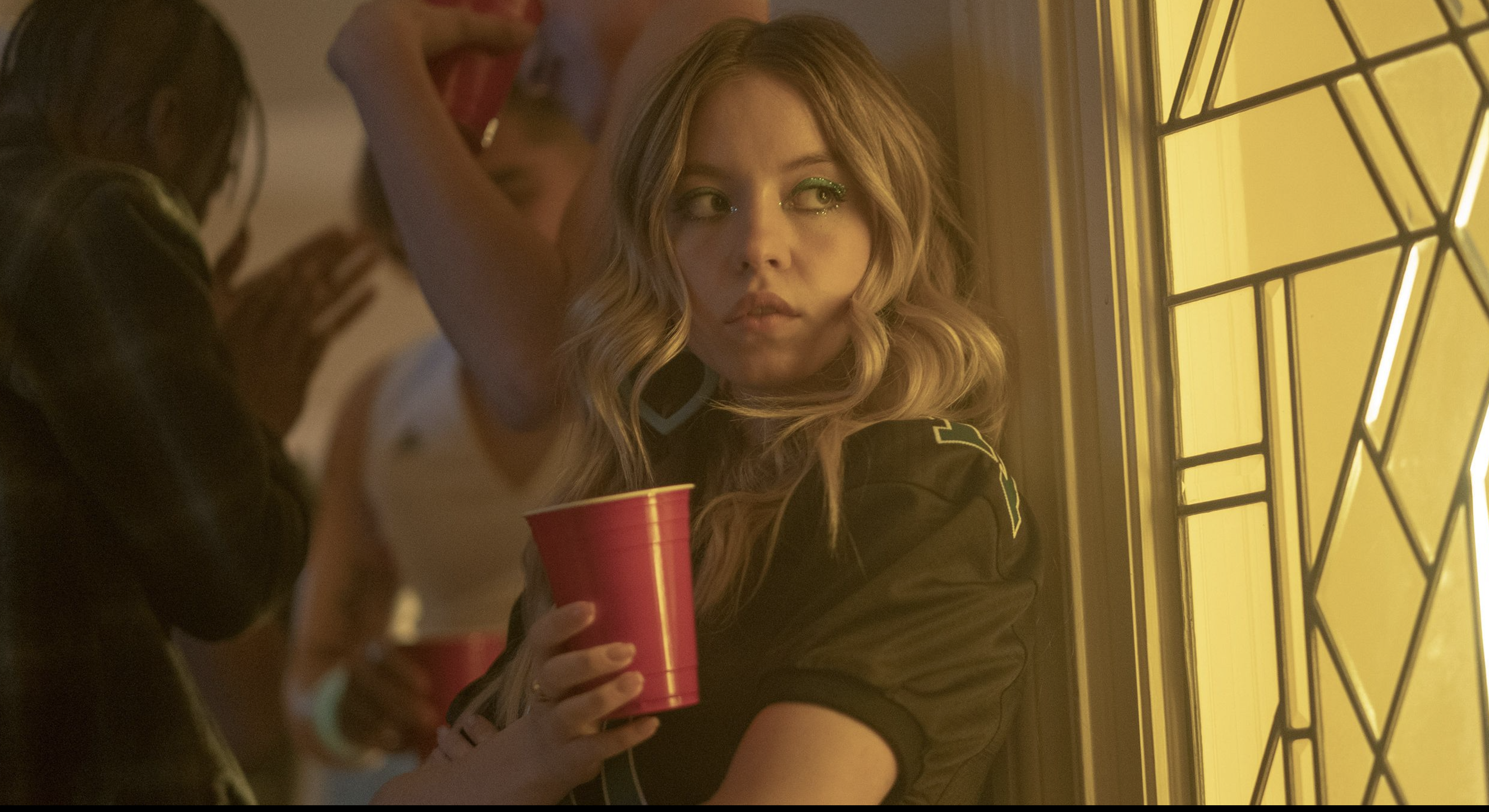
Marie Antoinette treats costume design as a window into youth, excess, and isolation. Milena Canonero’s Oscar-winning work leans into lavish gowns and towering wigs, then undercuts them with modern touches like Converse sneakers, reminding us how young Marie really was. The clothes shape the film’s tone, framing her less as a distant historical figure and more as a teenager swallowed by fashion and privilege. | © Columbia Pictures
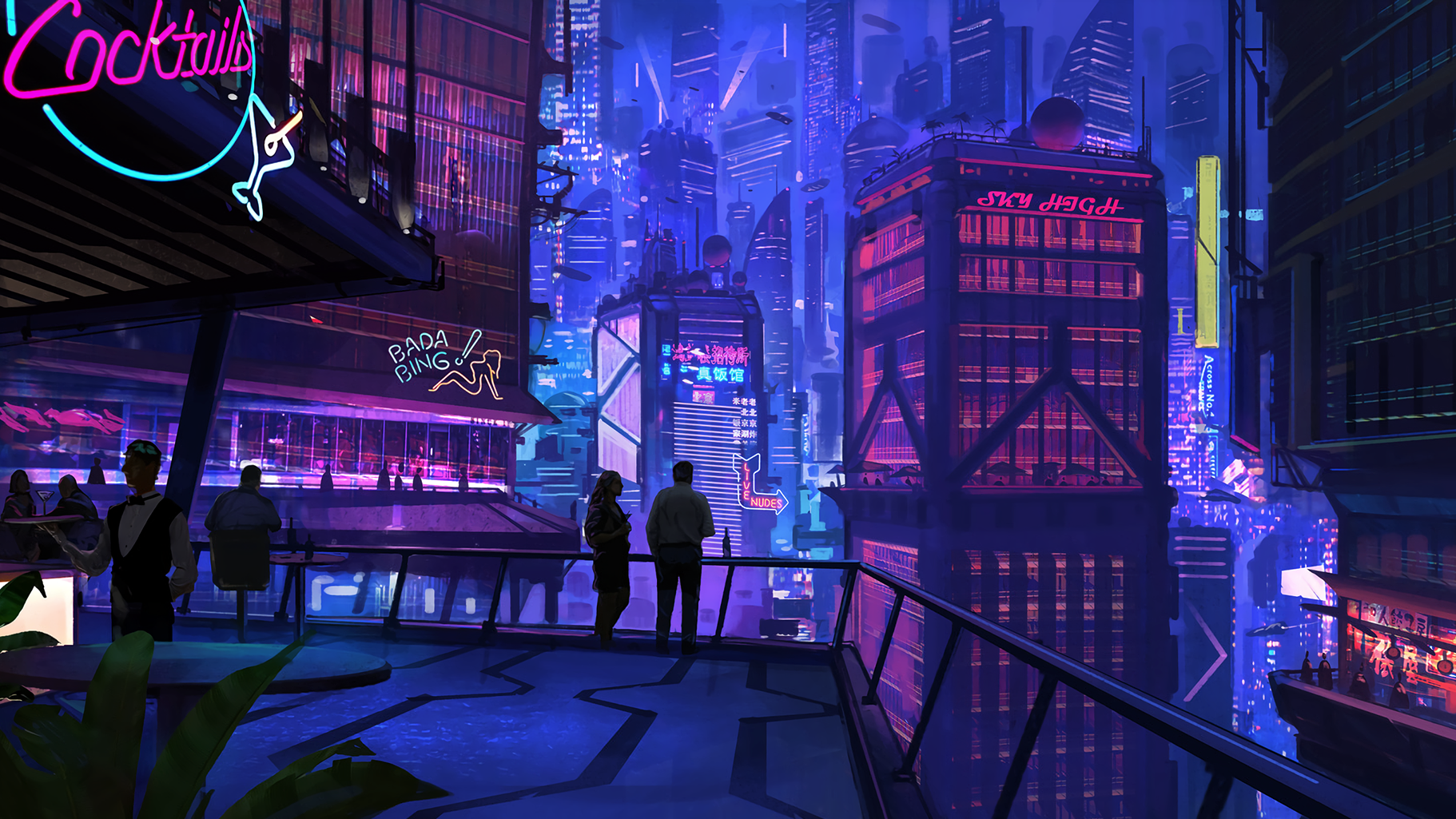
Blade Runner imagines the future through fashion as much as architecture and neon light. The mix of trench coats, punk details, glam makeup, and clear plastics gives the world a gritty, layered identity that still feels deliberate. Those choices help sell a future shaped by cultural overlap, unease, and style rather than clean, polished sci-fi. | © Warner Bros. Pictures
The Favourite uses costume design to sharpen power games rather than soften them with tradition. Sandy Powell keeps the silhouettes rooted in the 18th century but strips them down, using modern fabrics and stark contrasts to make the rivalry at court feel tense and immediate. The clothes reflect control, vulnerability, and ambition, shifting tone as alliances change. | © Fox Searchlight Pictures
Star Wars: Episode IV - A New Hope introduces a visual language that instantly defines good, evil, and everything in between. Darth Vader’s armor, the Jedi robes, and the lived-in look of smugglers and rebels give the galaxy a sense of history rather than polish. The costumes help sell the scale of the world, making it feel iconic and believable despite the era’s technical limits. | © 20th Century Fox
Mad Max: Fury Road uses costume design to define survival, hierarchy, and identity in a brutal wasteland. Jenny Beavan’s work gives every group a clear visual language, from Furiosa’s stripped-down practicality to the exaggerated excess of Immortan Joe’s followers. The clothes feel scavenged, worn, and functional, reinforcing the film’s raw energy and making its world instantly readable. | © Warner Bros. Pictures
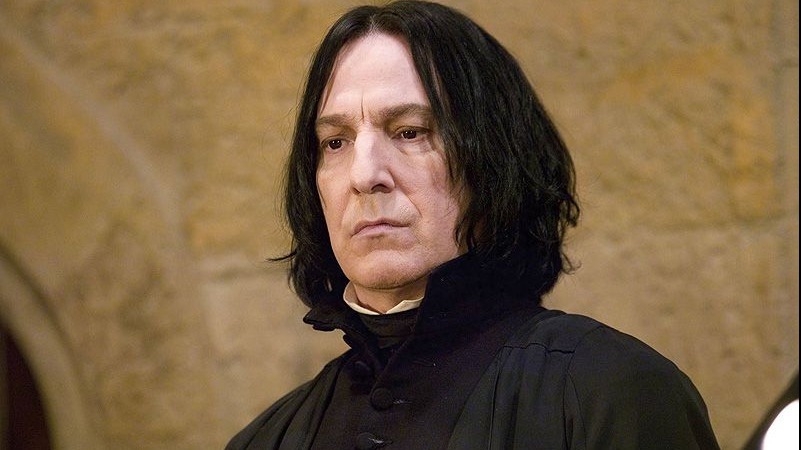
Batman Begins redefined Batman’s look by grounding it in realism instead of comic-book exaggeration. The suit feels functional and intimidating, built like tactical gear rather than a costume, which fits Nolan’s darker, more serious take on the character. That grounded design helps the film feel less like a superhero spectacle and more like a believable origin story. | © Warner Bros. Pictures
Pretty Woman uses costume design to track Vivian’s transformation as clearly as the story itself. Her shift from bold, attention-grabbing outfits to polished, elegant looks mirrors growing confidence rather than a total reinvention. The clothes became iconic because they feel tied to character, romance, and that very specific ’90s movie-star fantasy. | © Touchstone Pictures
The Cook, the Thief, His Wife & Her Lover treats costume design as part of the storytelling, not just decoration. Jean Paul Gaultier uses color shifts to match the rooms characters move through, letting clothing blend into the setting while still defining power, control, and vulnerability. The costumes quietly reinforce each role in the story, making the film’s visual identity impossible to separate from its themes. | © Miramax Films
Sabrina uses costume design to signal transformation rather than status. Audrey Hepburn’s shift from simple dresses to elegant Givenchy designs mirrors her character’s newfound confidence after Paris, without ever feeling forced. The film also marks the beginning of Hepburn’s iconic partnership with Hubert de Givenchy, a collaboration that reshaped movie fashion for decades. | © Paramount Pictures
The Fifth Element embraces excess, and the costume design fully commits to that spirit. Jean-Paul Gaultier fills the future with bold shapes, strange textures, and playful contrasts that make every character instantly recognizable. The outfits heighten the film’s humor and chaos while reinforcing its wildly imaginative vision of the future. © Columbia Pictures
Cleopatra turns costume design into pure spectacle, matching the film’s scale and ambition. Elizabeth Taylor’s wardrobe is built around opulence and power, using bold silhouettes, rich colors, and heavy ornamentation to reflect Cleopatra’s status and influence. The Oscar-winning designs didn’t just sell ancient grandeur; they left a lasting mark on pop culture and fashion long after the film’s release. | © 20th Century Fox
The Devil Wears Prada makes fashion the language of power, especially through Miranda Priestly. Meryl Streep’s wardrobe turns every entrance into a statement, using sharp tailoring and controlled elegance to command the room without raising her voice. Even as the story grows thin, the costumes define status, intimidation, and aspiration in ways the dialogue often doesn’t. | © 20th Century Fox
The Great Gatsby leans hard into spectacle, and the costume design is a big part of why the film feels so intoxicating to look at. Catherine Martin’s Oscar-winning outfits favor mood and excess over strict accuracy, using bold silhouettes, sparkle, and movement to sell the fantasy of the Jazz Age. The result captures the era’s obsession with wealth and image, filtered through a modern, high-gloss lens. | © Warner Bros. Pictures
Barry Lyndon uses costume design as a quiet marker of social ambition and reinvention. As Barry climbs through 18th-century society, his clothing shifts from rough and practical to carefully tailored and aristocratic, tracking his rise without a word of dialogue. Designed by Milena Canonero and Ulla-Britt Söderlund, the Oscar-winning costumes blend so seamlessly into each scene that they feel inseparable from the film’s visual identity. | © Warner Bros. Pictures
The Lord of the Rings: The Fellowship of the Ring uses costume design to make Middle-earth feel real and culturally distinct without spelling anything out. The hobbits’ simple, worn clothing contrasts with the elves’ lighter, flowing fabrics, instantly showing who these people are and how they live. Many outfits were hand-sewn from natural materials, giving the film a grounded, lived-in look that still holds up today. | © New Line Cinema
Costume design does more than dress characters. It defines worlds, power, and identity before a word is spoken. These films use clothing as storytelling, turning fabric, texture, and silhouette into something unforgettable.