



































The alpha-male self-presentation crumbled in the face of ‘tangible’ evidence.
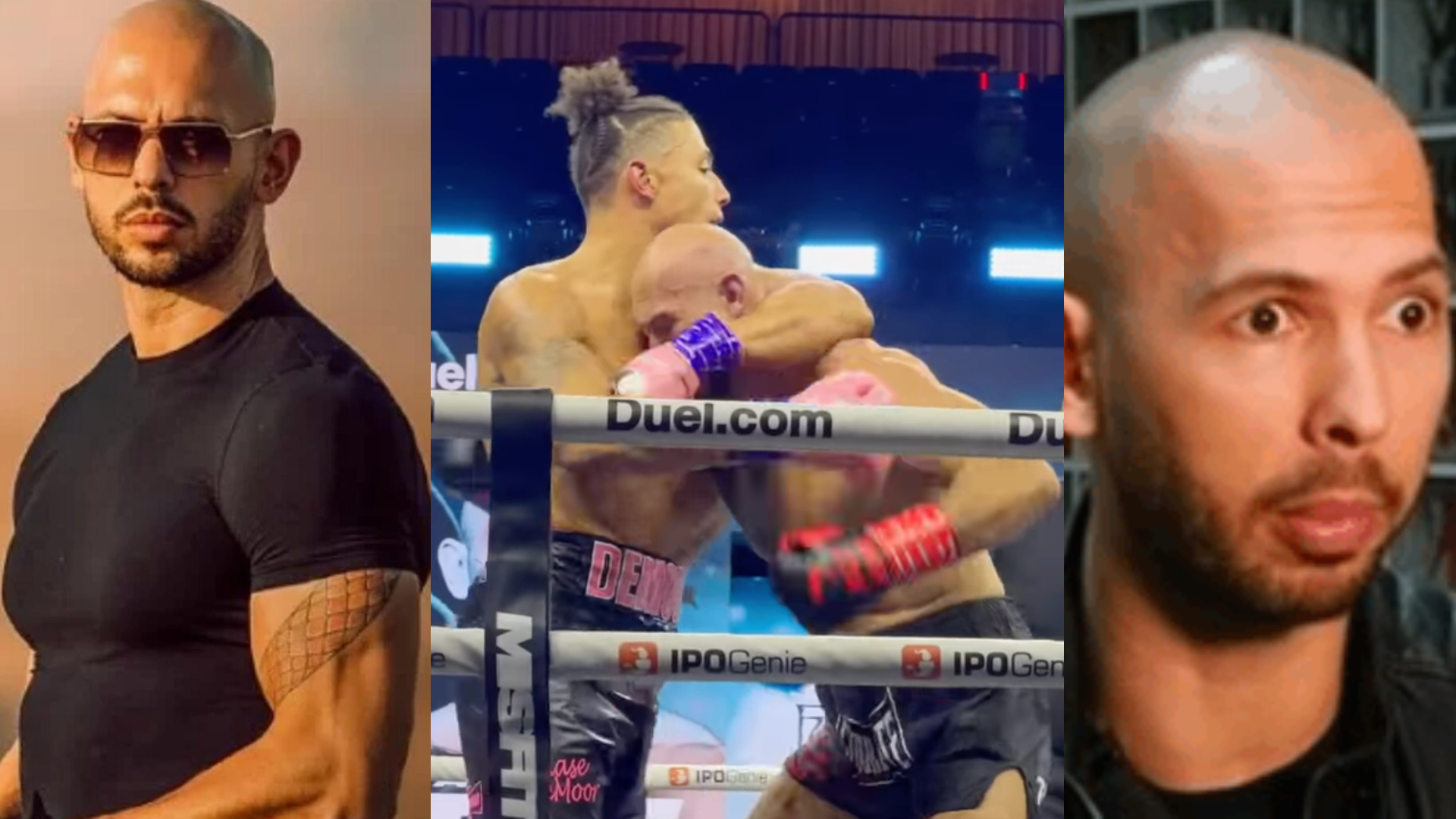
The highly controversial influencer Andrew Tate suffered a sobering setback in the boxing ring. In his professional boxing debut, he lost on points to U.S. reality TV star Chase DeMoor. The bout, staged under the umbrella of the influencer league Misfits Boxing, quickly became symbolic: big words colliding with athletic reality.
Hatred Of Women As A Marketing Tool
Outside the ring, Tate has been a polarizing figure for years. His online presence thrives on provocation, aggressive self-promotion, and a worldview frequently criticized as misogynistic and toxic. Added to this are serious legal allegations –which he denies – that nonetheless continue to weigh heavily on his public image. Human trafficking, abuse, extortion – directed exclusively at women – paint a picture of his deeply rooted hostility toward the female gender.
His rhetoric, by contrast, reflects a rejection of his own male inadequacies. Emotions, he claims, are weakness; only cold calculation is truly masculine. In the end, what remains is merely a sales strategy: tell men about an unattainable ideal, and a handful of isolated, lonely individuals will follow you and throw money at you – in the hope of someday becoming that fictional man.
Under the guise of the so-called "alpha male," numerous misogynistic and dehumanizing crimes take place – either ignored, denied, or dismissed as “cancel culture” when calls for accountability arise.
Tate Clearly Outmatched
Against this backdrop, the boxing match became more than just sport: it was a test of the image Tate so aggressively cultivates.
From an athletic standpoint, Tate initially showed resilience, but he lacked stamina, timing, and clear control of the ring. DeMoor appeared more physically present, landed the cleaner shots, and dominated especially in the later rounds. The points defeat was therefore inevitable – and revealing for a man who likes to portray himself as an invincible "alpha."
What made the outcome particularly delicious for the schadenfreude-driven internet: Tate had effectively handpicked this opponent. Believing DeMoor to be an easy matchup – someone who appeared, from the outside, to be an utterly untalented boxer – Tate nonetheless found himself outworked in the ring, where DeMoor landed enough meaningful punches to put him firmly in his place.
The loss illustrates how thin the line between performance and reality can be. Influencer boxing may be entertainment, but the ring does not forgive self-made myths. For Tate, the defeat represents not just a blemish on his record, but a very public reality check: volume does not replace skill, and self-confidence is no substitute for technique.
The Internet Reacts With Schadenfreude
No sooner had Andrew Tate’s boxing loss to Chase DeMoor been decided than the internet responded. What began as a clear points defeat in sporting terms quickly turned online into a collective dismantling of Tate’s self-styled persona – accompanied by mockery, derision, and a flood of memes.
On platforms such as Twitter, TikTok, and Reddit, users focused in particular on the contrast between Tate’s years-long "alpha male" rhetoric and his performance in the ring. Popular posts included image comparisons captioned "Online Alpha vs. Reality" or short clips juxtaposing Tate’s bombastic quotes about strength and dominance with scenes from the fight.
A setback for the scene of "male self-promoters"
Others went further, framing the fight as symbolic of Tate’s entire public persona. In discussion threads, he was cited as a prime example of how self-promotion, provocation, and internet fame can collapse when measured against genuine performance.
Reactions were especially gleeful among those who have criticized Tate for years over his misogynistic statements, aggressive tone, and business model. For them, the defeat was less a sporting event than a moment of vindication.
The digital aftermath shows that Tate’s defeat resonates far beyond the ring. It did not strike just a boxer, but a carefully constructed brand. In an internet culture that mercilessly dissects weakness, the fight became raw material for memes – and further proof that grandiose online rhetoric quickly turns into a target once it collides with reality.