









































When FarmVille meets crypto, it’s hard to imagine anything other than a scam coming out of it...
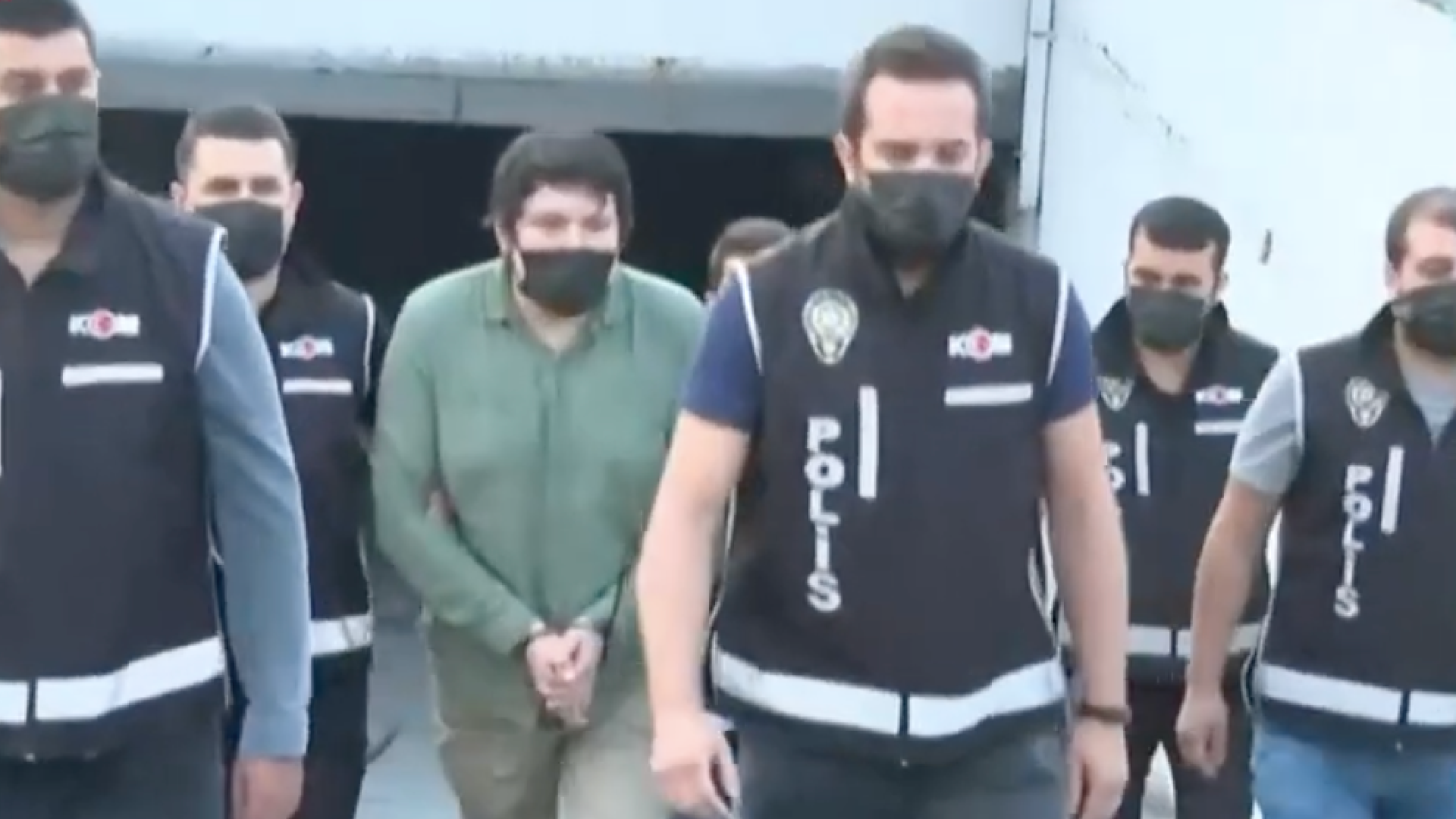
It sounds like the story from an over-the-top true-crime documentary: A former rapper builds an online game, sells virtual cows and chickens as an investment, collects millions, flees abroad – and years later is sentenced to more than 45,000 years in prison. That is exactly the case of Mehmet Aydın, better known in Turkey as Tosuncuk.
Making money with virtual animals?
Aydın was not only an entrepreneur, but had also previously been active as a rapper under the name Egoman. However, he did not become famous through music, but through his company Çiftlik Bank, internationally often referred to as "Farm Bank".
The project started in the mid-2010s and at first glance looked like a mix of mobile game, online farm and investment platform. Users could deposit real money and use it to buy virtual animals. The promise: These digital animals would be connected to real agriculture and generate profits for investors.
The problem: According to later investigations, the whole thing worked – surprise, surprise – like a classic Ponzi scheme. New deposits were reportedly used to pay out earlier users and build trust. As long as more and more people kept investing money, the system appeared stable from the outside. The moment new investments stop coming in, the old ones can no longer be paid out. When the structure then began to collapse, the full scale of the case became clear.
According to reports, around 132,000 people are said to have been affected, with the damage estimated, depending on the source, at more than 1.6 billion Turkish lira, equivalent to around 34 million dollars.
Deceptive simplicity
Çiftlik Bank did not look like a dry financial product, but like a playful, easy-to-understand farm investment. You bought virtual cows, chickens or other farm products and had the feeling of being part of a modern agricultural project.
It was exactly this mix of gaming, simple usability and supposedly real profits that made the model attractive to many people who might otherwise have been hesitant to put money into investments – instead of abstract numbers and tables, they saw virtual animals and farms in front of them, giving them the feeling that they understood what they were spending their money on. In this way, an online game became a massive fraud machine.
When the system collapsed in 2018, Mehmet Aydın fled Turkey. Turkish authorities investigated him for fraud, money laundering and founding or leading a criminal organization. Aydın was wanted internationally. After several years on the run, he turned himself in at the Turkish consulate in São Paulo, Brazil, in 2021 and was then brought back to Turkey.
45,000 years in prison
In February 2025, the verdict was handed down, making headlines around the world: Mehmet Aydın and his brother Fatih were each sentenced to 45,376 years and six months in prison. The extreme number comes from the fact that the sentences for thousands of individual offenses were added together. According to reports, they were found guilty of 4,414 crimes, including IT-assisted fraud, money laundering and founding a criminal organization.
Of course, such a sentence does not mean that someone can literally serve 45,000 years. The number should primarily be understood in legal and symbolic terms: It is meant to reflect the sheer number of individual fraud cases and the scale of the damage.
Still, it is exactly this absurdly high figure that makes the case so extraordinary. While financial fraud often feels abstract, Çiftlik Bank, with its virtual animals and gigantic prison sentence, became one of the best-known fraud cases in recent Turkish history.
The case shows how dangerous digital investment models can become when they are combined with gaming mechanics, promises of quick profits and a simple story.
Çiftlik Bank did not just sell a financial product, but an illusion: that anyone could conveniently invest in agriculture via an app and regularly make money from it. For many users, however, that hope ended in massive losses.
Mehmet Aydın’s story is therefore more than just a bizarre isolated case. It is an example of how modern fraud models work: emotional, playful, low-threshold and built around the promise that making money can suddenly become very easy.
A rapper became an entrepreneur, a farm game became a multimillion-euro Ponzi scheme – and “Tosuncuk” became one of the most notorious figures in Turkish white-collar crime.