


























Ubisoft’s Teammates lets you command AI companions with your voice, transforming the way games respond to you.

Ubisoft is pushing the boundaries of interactive gaming with Teammates, a playable research project exploring how AI can fundamentally reshape player experiences. Following the experimental Neo NPC showcased at GDC 2024, this new project introduces a system where AI-driven companions and a voice assistant respond dynamically to player input, creating more immersive, reactive gameplay.
An Experimental Playground for AI in Games
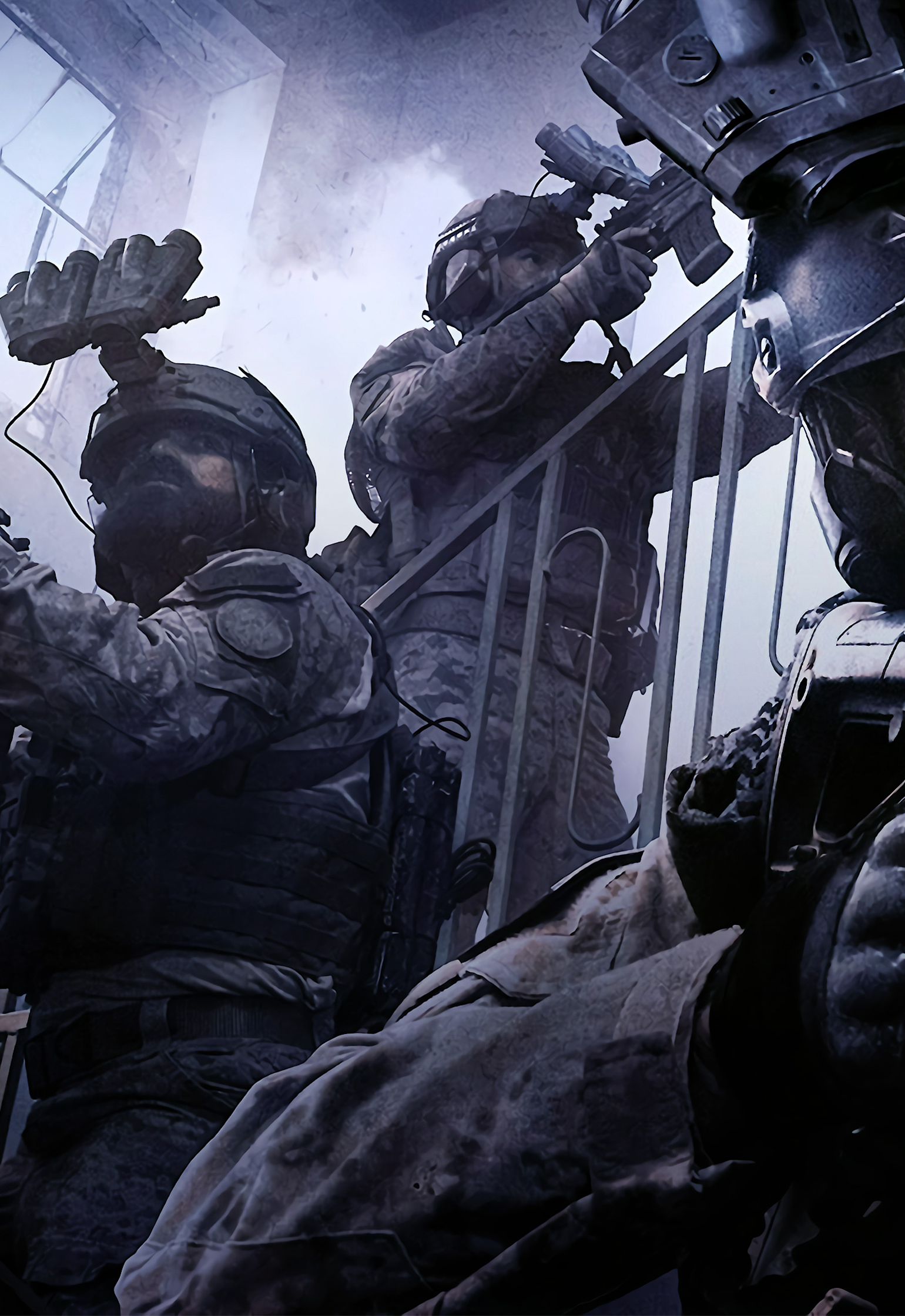
At its core, Teammates is a research initiative, but it’s fully playable. Set in a dystopian future, players assume the role of a resistance fighter navigating an enemy base to locate five missing team members. The short demo level tasks players with uncovering the final memories of these previous operatives while confronting enemy squads. Alongside the player are two AI-controlled NPC teammates, Pablo and Sofia, and a voice assistant named Jaspar, all designed to respond intuitively to player commands.
Jaspar: More Than A Voice Assistant
Jaspar goes beyond traditional AI helpers. Players can use natural speech to highlight enemies, interact with objects, adjust game settings, and even pause the game. But the assistant is also a character in its own right, reacting dynamically to the environment and the player’s choices. According to Ubisoft, the system interprets contextual cues to tailor responses and actions, making Jaspar feel like a genuinely responsive companion rather than a static tool.
The same technology powers Pablo and Sofia. Unlike Jaspar, these teammates physically inhabit the game world and can be directly commanded or engaged in conversation. Early scenarios demonstrate the system’s depth: players may encounter enemies without a weapon and must strategically instruct their squad to take cover, attack, or perform coordinated maneuvers. Every spoken command can influence the outcome, making voice interaction central to the gameplay.
Xavier Manzanares, Director of Gameplay GenAI, explains that early tests revealed players quickly formed connections with AI companions: “Jaspar helped players navigate when they were unsure what to do, explained the story, and accessed menus or settings on demand. We realized this system could be transformative for many types of games.”
AI At The Heart Of Player Experience
The project is designed with players at its core. Narrative Director Virginie Mosser emphasizes that AI allows for storytelling that adapts to the player’s choices: “Players can shape the story themselves rather than simply following it. When I interact with Sofia, she reacts to my commands, creating a unique experience for each player.”
Rémi Labory, Director of Data & AI, adds: “This technology enables real-time reactions that traditional game design cannot. It’s a full pipeline from onboarding to debriefing designed to deliver personalized and engaging experiences.”
Ubisoft stresses that AI is not intended to replace creative teams. Instead, it enhances human creativity by providing frameworks within which NPCs can improvise while remaining true to the story and character motivations. “We set the rules, but the AI can improvise within them,” Mosser explains. “It’s not removing humans from the process it’s augmenting what we can create.”
Looking Ahead: The Future Of AI In Gaming
Teammates has already been tested with a limited group of players, whose feedback is guiding further development. Ubisoft aims to refine these systems, exploring new ways for players to interact with games and crafting stories and characters that respond dynamically to player input. The project represents a step toward AI-assisted design that keeps human creativity at its center, blending technological innovation with the artistry of game development.
As Ubisoft continues to experiment with AI, Teammates stands as a compelling glimpse into a future where gaming is more interactive, personal, and unpredictable than ever before.
How do you feel about this new AI approach in gaming? Write it into the comments!