




















Some of the nicest people in Hollywood are also the best at playing monsters. That contrast is part of what makes their performances hit so hard. Here are actors whose kindness off-screen makes their worst characters even more disturbing.
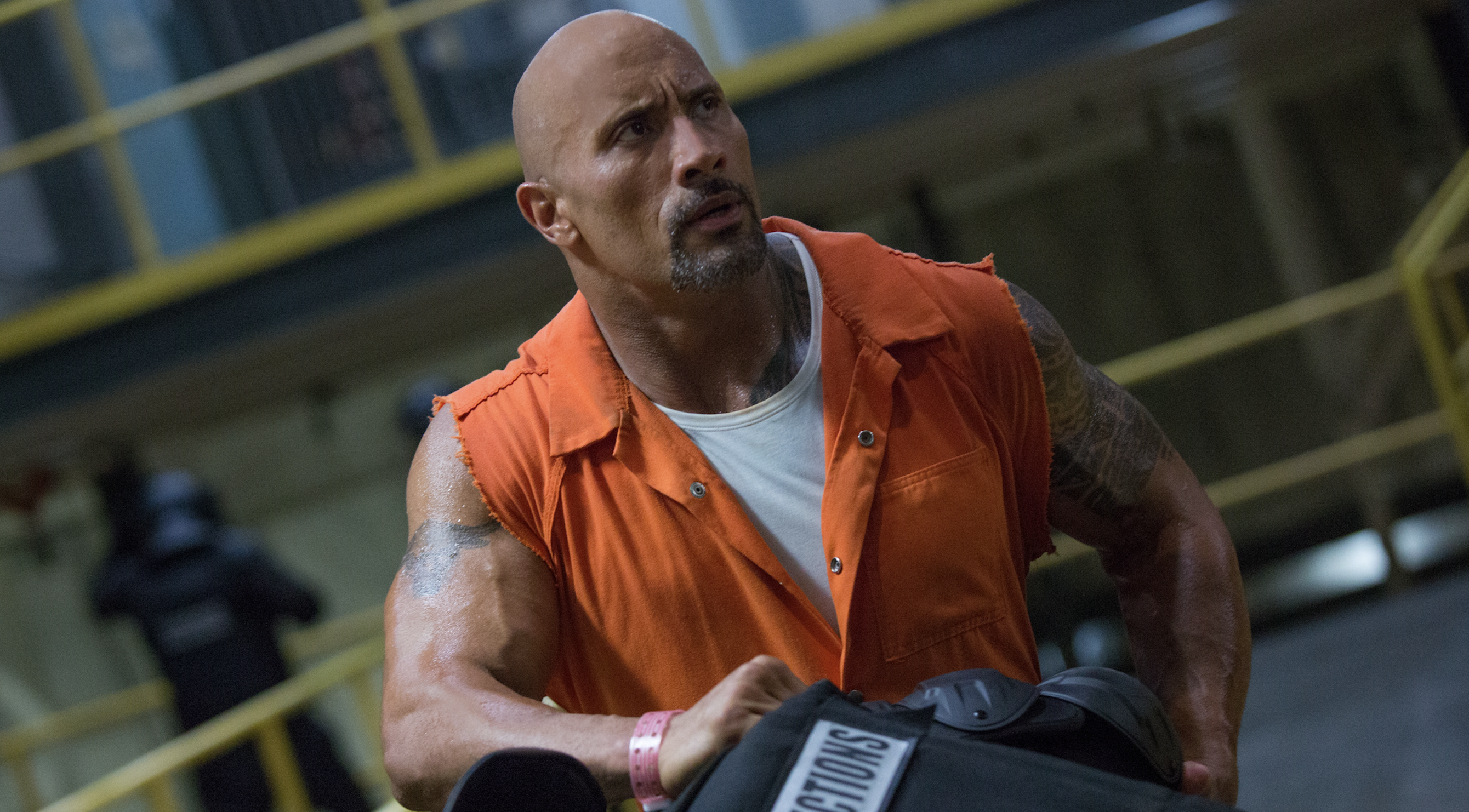
Bryan Cranston let Walter White rot slowly from the inside out in Breaking Bad, making the transformation feel terrifyingly earned. The performance is so convincing that it’s easy to forget how generous and game he’s known to be as a scene partner. Watching behind-the-scenes footage of him joking around almost feels wrong after seeing how monstrous that character became. | © Sony Pictures Releasing
Danny Trejo has spent decades playing criminals who feel dangerous the second they enter a scene, most iconically in Machete. The intimidation works because he never softens it onscreen, even when the role is pulpy or exaggerated. Off set, he’s known for mentoring younger actors and going out of his way for fans, which makes his real-life arc feel like the complete opposite of the men he plays. | © Netflix
Neal McDonough has made a career out of playing cold, rigid antagonists, especially as Robert Quarles in Justified. The characters feel harsh and unyielding, built on control rather than volume. Off screen, he’s known for being warm and deeply principled, a contrast that makes the hardness he brings to those roles feel entirely deliberate. | © Netflix
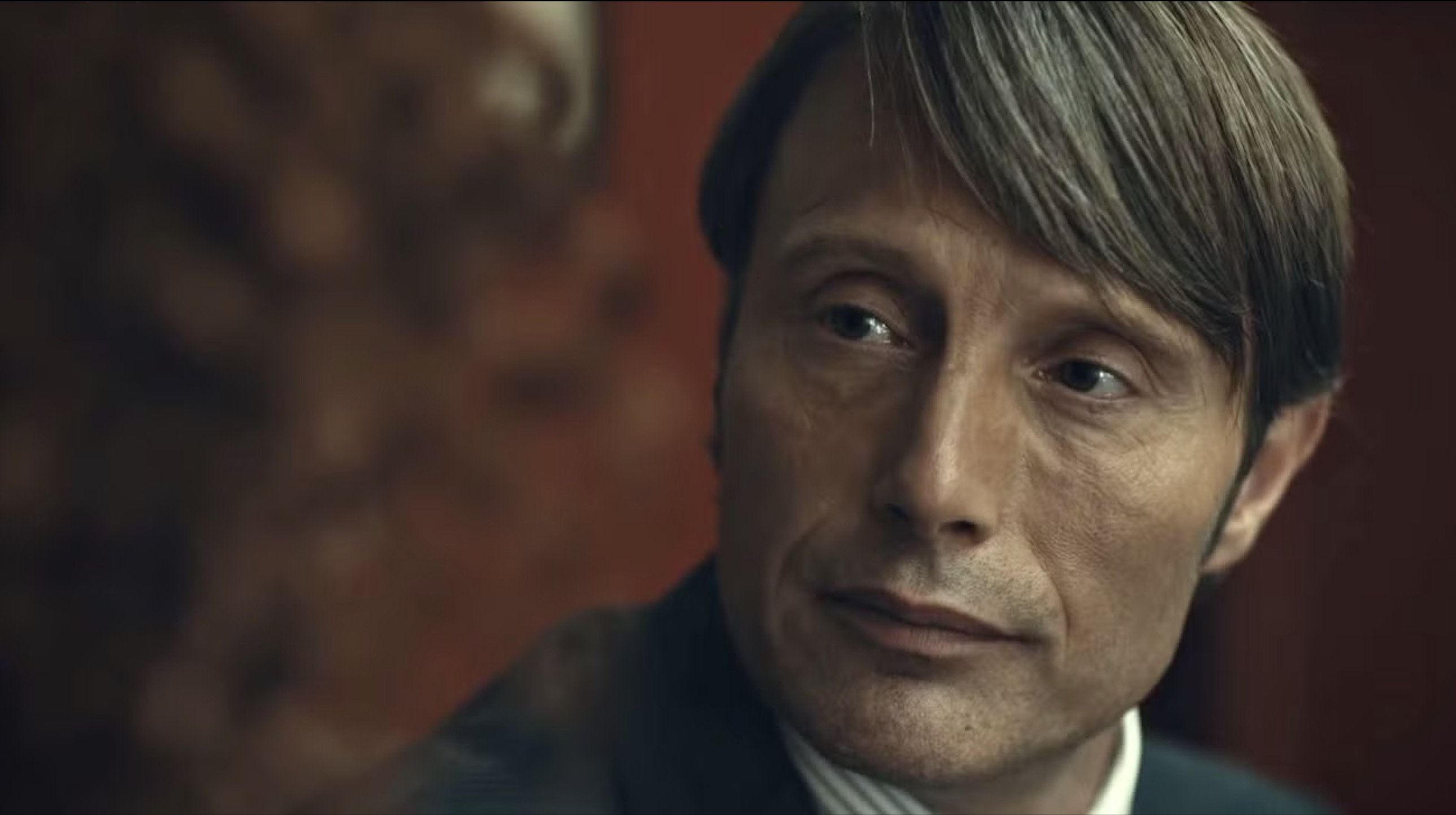
Mads Mikkelsen made menace feel unreadable by barely speaking as Hannibal Lecter in Hannibal. The restraint turns silence into a weapon, forcing viewers to lean in and fill the gaps themselves. Off camera, he’s friendly and a little awkward, which only sharpens how unsettling that quiet control feels in retrospect. | © Lionsgate
Christian Bale played cruelty with terrifying focus as Patrick Bateman in American Psycho. That performance feels so extreme because of how fully he commits, yet on set, he’s known for being kind, respectful, and intensely professional rather than domineering. The preparation is ruthless, but the ego never shows, which makes the darkness he taps into feel even more controlled. | © Columbia Pictures
Bob Odenkirk excelled at showing how decency erodes one small choice at a time as Saul Goodman in Better Call Saul. That slow moral collapse feels so convincing because it’s built with restraint rather than theatrics. Off camera, coworkers describe him as attentive and deeply collaborative, which makes watching him play someone who constantly betrays himself even more unsettling. | © Sony Pictures Releasing
Danny DeVito turned the Penguin into something cruel, grotesque, and strangely magnetic in Batman Returns. Away from the makeup, he’s known for being overwhelmingly kind, especially toward kids and first-time actors finding their footing. That underlying warmth somehow sneaks through even his ugliest roles, giving them a playful edge that makes the cruelty land without feeling hollow. | © United Artists
David Tennant made Killgrave deeply uncomfortable to watch in Jessica Jones, leaning into charm that curdles into control and menace. Off screen, the contrast is stark: he’s animated, warm, and openly delighted by people, especially fans. That friendliness lingers in your head afterwards, making the performance feel even more disturbing in hindsight. | © BBC
Gary Oldman vanishes so completely into villain roles that the person underneath almost disappears, especially in his unhinged turn in Léon: The Professional. Off camera, coworkers often describe him as supportive, calm, and surprisingly low-key, a far cry from the menace he puts onscreen. Oldman has spoken openly about valuing stability and kindness after difficult early years, which makes the darkness he taps into as an actor feel even more deliberate. | © Columbia Pictures
Rachel McAdams etched Regina George into pop culture by making cruelty look effortless in Mean Girls. Away from the spotlight, she’s known for being private, low-key, and genuinely kind, the opposite of the character who made pink feel threatening. That sharp contrast is exactly why the performance still lands, it never feels exaggerated, just chillingly precise. | © Paramount Pictures
Jason Isaacs made Lucius Malfoy feel icy and threatening in Harry Potter and the Chamber of Secrets, leaning into quiet sneers and total superiority. The switch between takes was jarring. He was known for hugging the younger cast members and regularly checking in to make sure they were okay. Several actors later admitted it was almost impossible to stay intimidated once the cameras stopped rolling. | © Warner Bros. Pictures
Tom Hiddleston fueled Loki’s chaos with bitterness, charm, and just enough vulnerability to power an entire franchise arc in The Avengers. The contrast off camera couldn’t be sharper, he’s widely known for being courteous, thoughtful, and almost disarmingly polite. Fans often leave meetings with him more struck by his gentleness than by the fact that they just met a Marvel villain. | © Walt Disney Pictures
Jack Nicholson turned villainy into a full-blown performance style, nowhere more memorably than his unhinged turn in The Shining. Off screen, he’s known as charming, mischievous, and intensely social, someone people describe as magnetic rather than frightening. That same larger-than-life energy fuels both sides of him, making his worst characters feel explosive instead of cartoonish. | © Warner Bros. Pictures
Willem Dafoe has a gift for turning chaos into something genuinely unsettling, especially when he lets it loose as the Green Goblin in Spider-Man and across a string of unhinged indie roles. Off screen, the contrast is striking, he’s widely described as generous, playful, and deeply supportive of younger actors finding their footing. That gap between his warmth in real life and the menace he channels on camera is exactly why his worst characters hit so hard. | © Walt Disney Pictures
Meryl Streep made Miranda Priestly terrifying by barely lifting her voice in The Devil Wears Prada. Off camera, she’s known for quiet generosity and treating every crew member with the same respect she gives the work itself, which makes the cruelty onscreen feel even sharper. Streep has admitted staying in that headspace was emotionally exhausting, a reminder that playing controlled nastiness can be just as draining as shouting villainy. | © 20th Century Studios
Some of the nicest people in Hollywood are also the best at playing monsters. That contrast is part of what makes their performances hit so hard. Here are actors whose kindness off-screen makes their worst characters even more disturbing.