











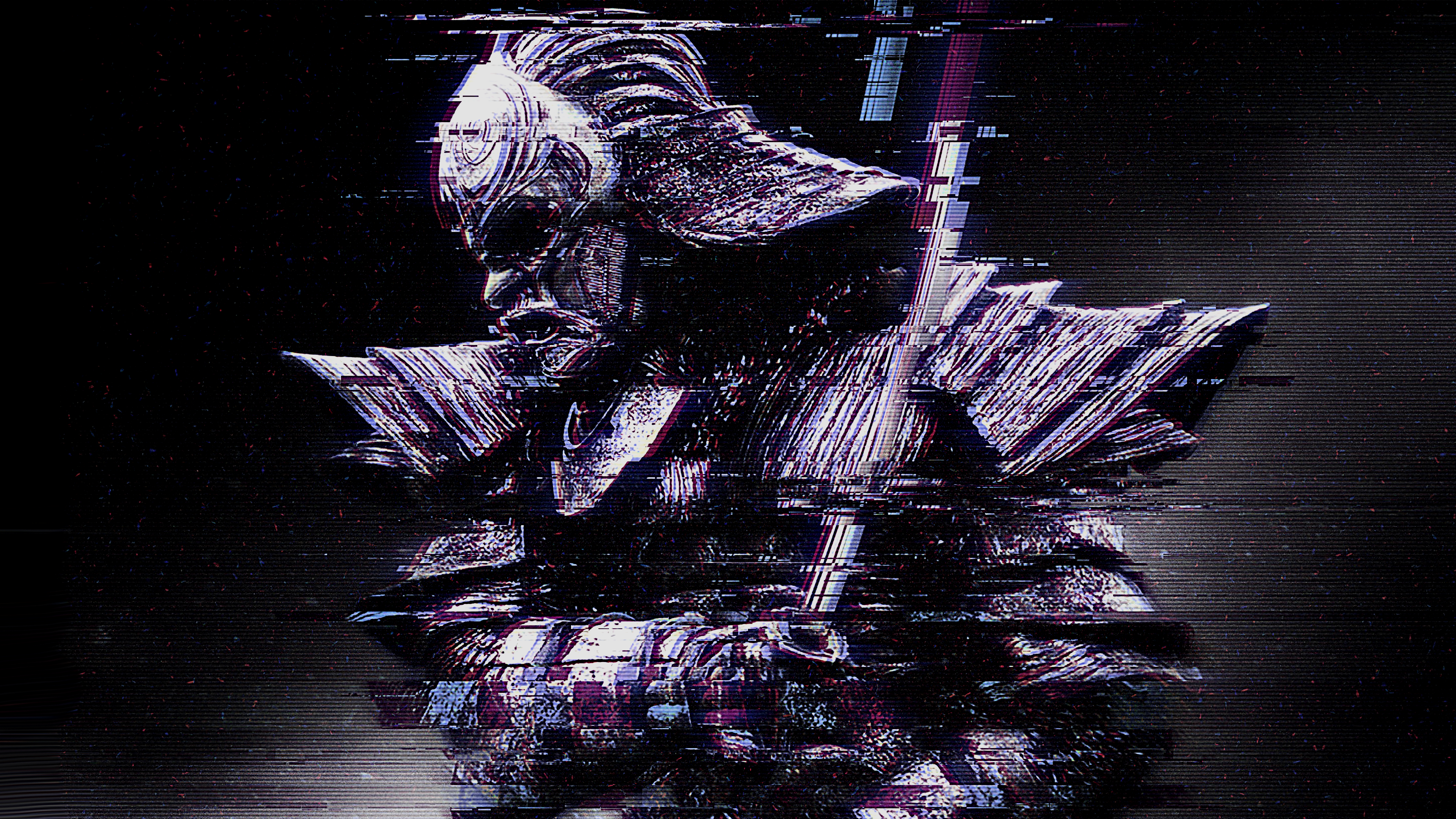

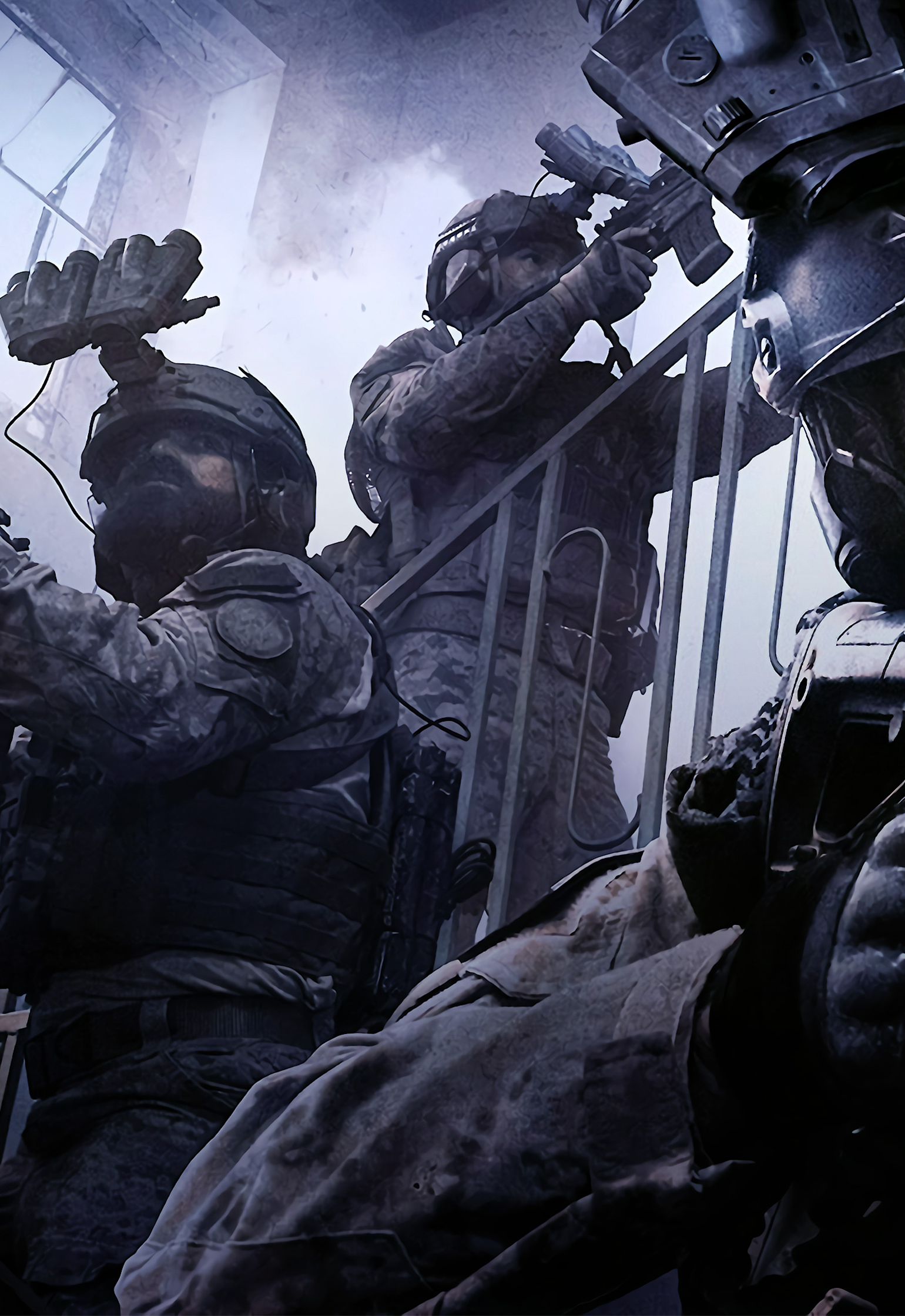

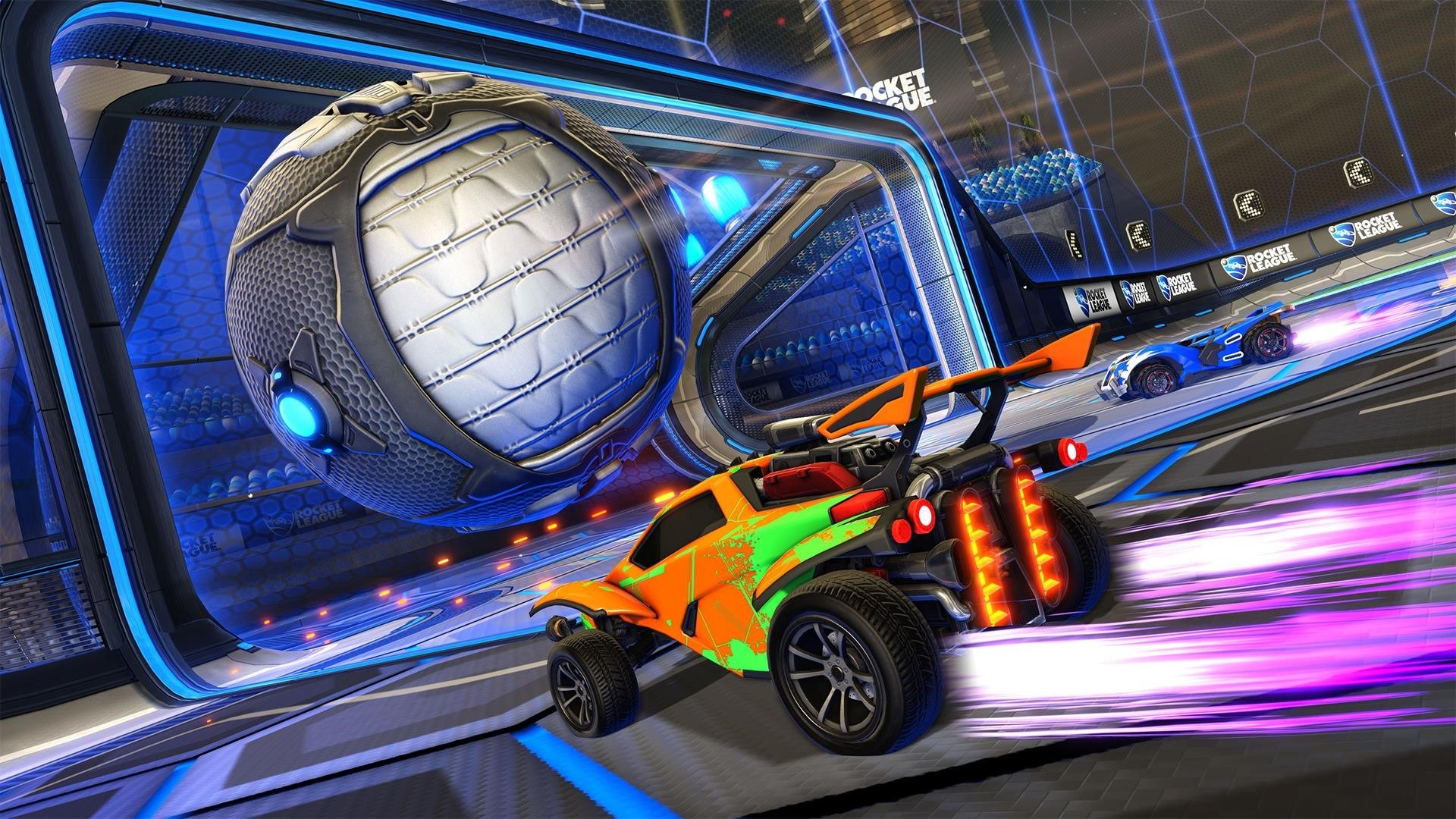

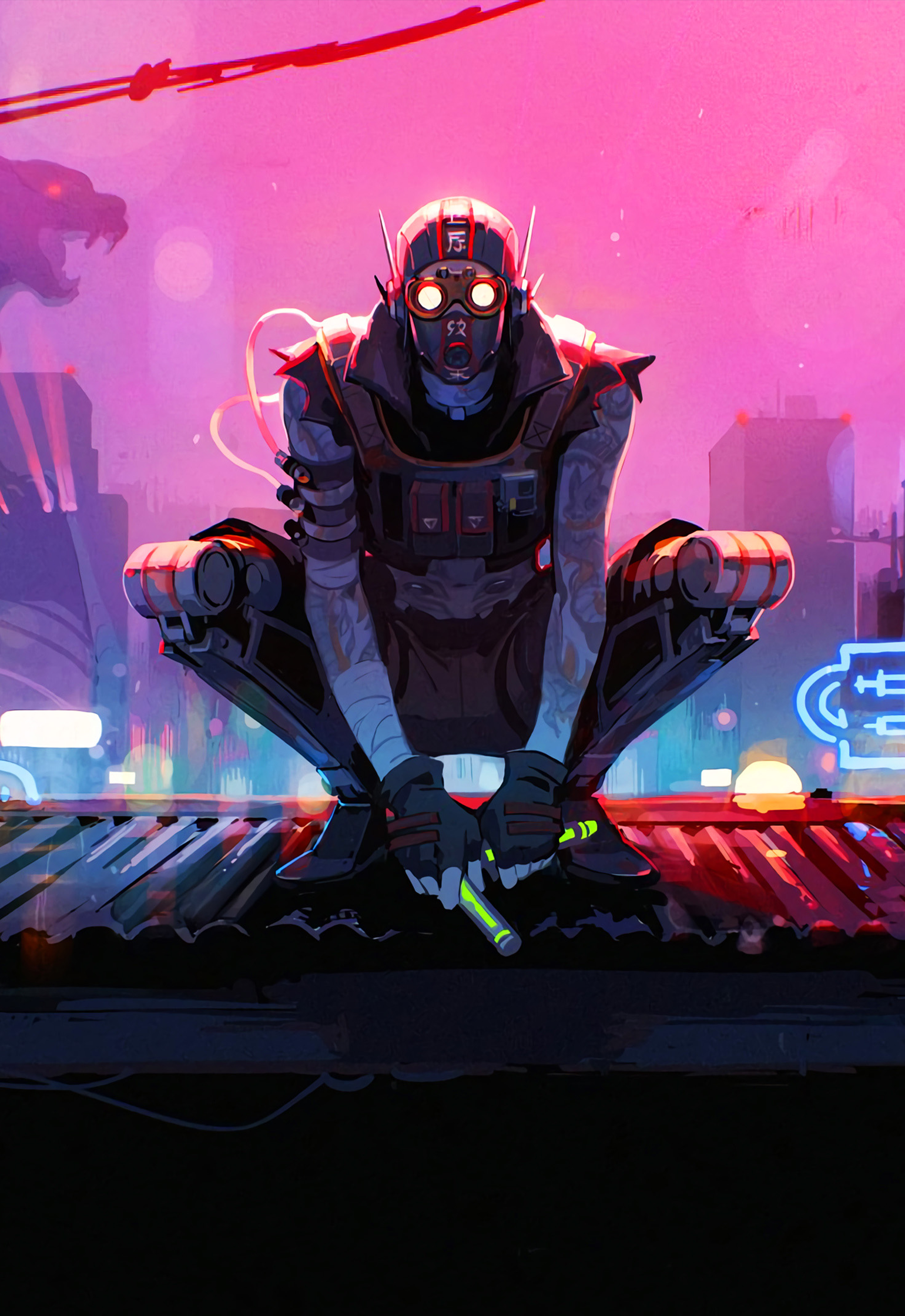







Some games are praised so often it feels automatic. People quote the consensus, repeat the highlights, and move on. Loving them out loud doesn’t always mean enjoying them in private.
Demon’s Souls is treated like sacred ground because it started everything. In reality, the original feels clunky and stripped of the quality-of-life fixes that made later Souls games easier to love. Most people praise it out of respect for its legacy, even if they’ve never played it, or quietly prefer to keep it that way. | © Bluepoint Games
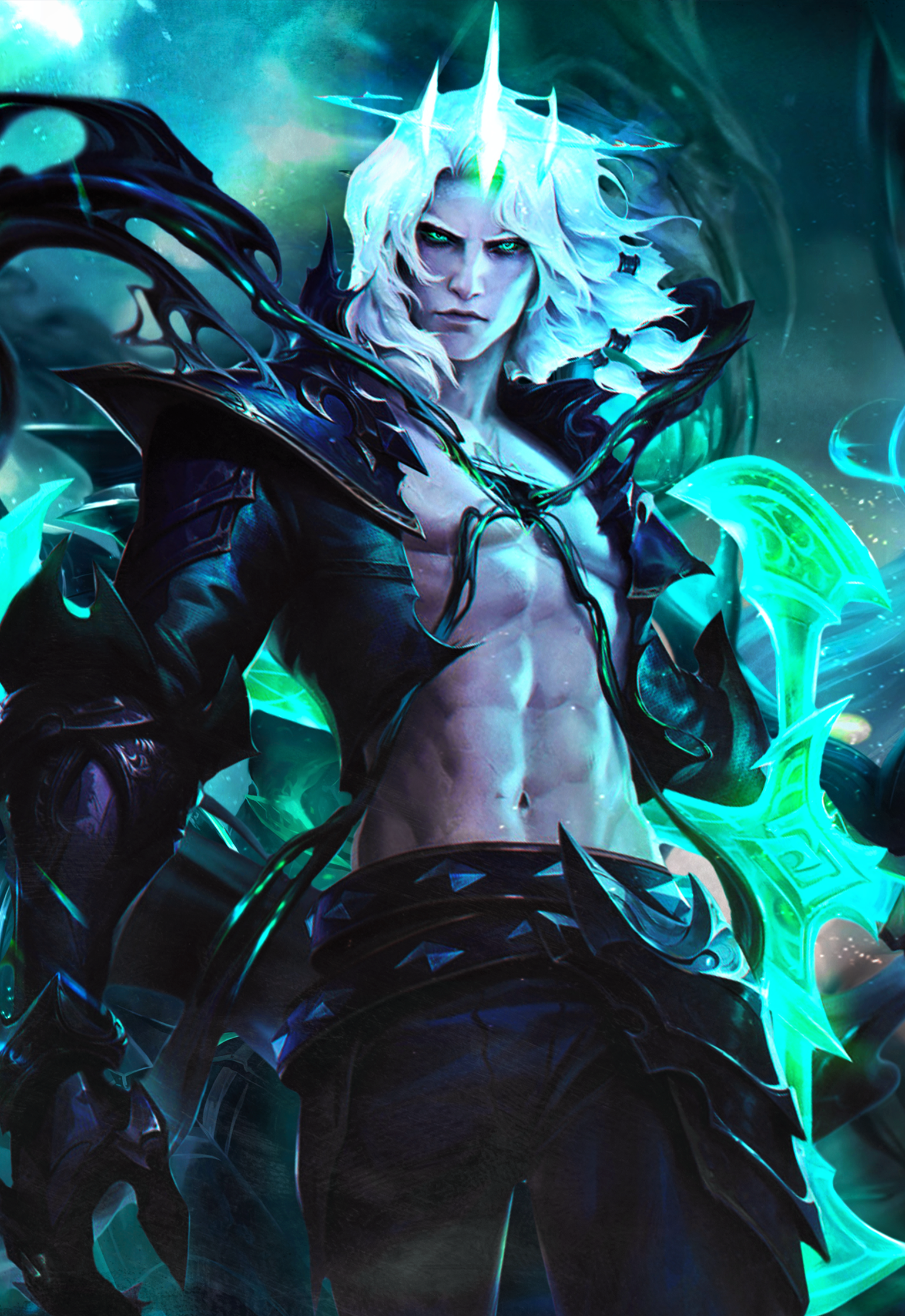
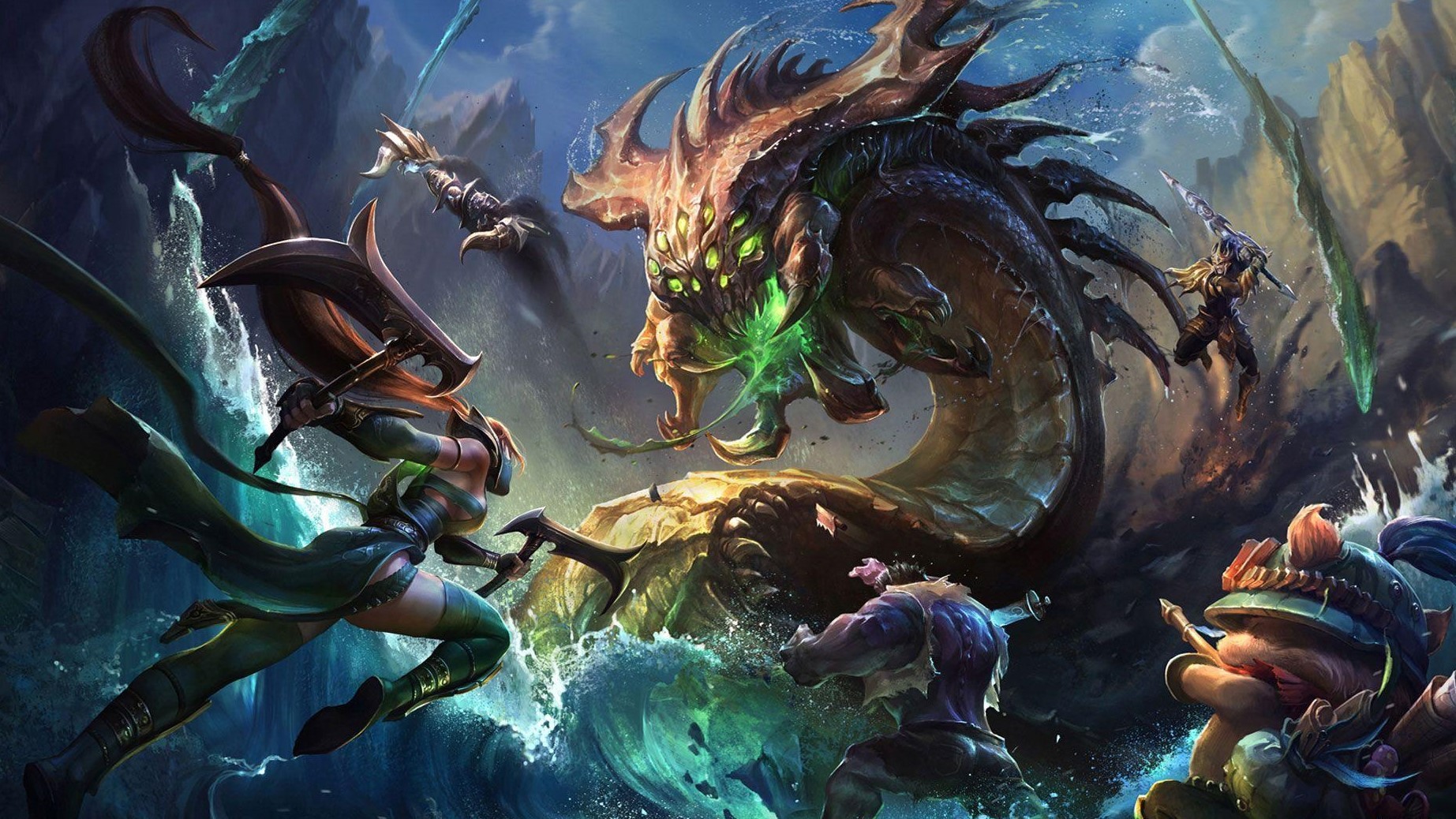
League of Legends has a strange reputation where everyone complains about it while still logging in every day. The toxicity, balance rants, and endless memes make it sound miserable, even though most players clearly enjoy the core competition. Maybe the frustrating parts just get voiced louder. | © Riot Games
Half-Life is revered less for how it plays today and more for what it changed forever. Most people know it as a milestone, not something they’re eager to sit down and experience now, which is why conversations drift toward its influence instead of its moment-to-moment feel. There’s a reason so many recommend Black Mesa instead; the original gets respected like a museum exhibit, not revisited like a favorite game. | © Valve
Uncharted 2: Among Thieves is almost always praised for how cinematic it feels, and that reputation has carried it for years. Once you actually play it, the shooting, climbing, and pacing feel pretty average outside of a few standout set pieces. A lot of the love seems rooted in memory or secondhand praise, where talking about the spectacle is easier than digging into how the game really holds up moment to moment. | © Naughty Dog
Stray got swept up in a wave of affection largely because you play as a cat. Strip that novelty away, and what’s left is a light walking simulator that rarely pushes its ideas or mechanics very far. Plenty of people praise it enthusiastically, even though most of that love seems tied to the concept rather than the experience of actually playing it. | © BlueTwelve Studio
The Witcher 3 earns reputation through sharp writing, rich characters, and a world that feels alive. The problem is how quickly that world balloons, burying players under side quests, menus, and constant upkeep. Plenty of people don’t quit out of frustration; they simply lose momentum and never pick it back up. | © CD Projekt
Persona 5 Royal wins people over with style, characters, and confidence right out of the gate. Then the length hits, the tutorials keep rolling, and the game starts asking for a level of commitment that’s hard to sustain. A lot of players still speak warmly about it, even as it sits unfinished on their console while they promise they’ll return someday. | © Atlus
Journey is widely praised as a landmark indie experience, but a surprising number of people love it in theory more than in practice. The admiration often comes from the music, the reputation, or someone else’s emotional essay rather than the time spent actually playing it. Because it’s treated as untouchable, many nod along with the consensus rather than admit it never quite connected for them personally. | © Thatgamecompany
Ori and the Blind Forest is often treated as a masterpiece on the strength of its art and music alone. Once you get past the visuals, the platforming and progression feel dated, with rough edges that don’t get mentioned nearly as often. A lot of the praise people repeat actually fits its sequel better, but the beauty carries this one far enough that few bother to push back. | © Moon Studios
BioShock Infinite still lives off the shock of how it felt at launch rather than how it actually plays today. People remember Columbia and the big twists, but tend to gloss over the uneven storytelling, clumsy shooter combat, and ideas that collapse once you look at them too closely. It’s praised more as a memory than a game, which is why discussion usually stops at admiration instead of turning honest. | © Irrational Games
Death Stranding clicks deeply for some players and not at all for others. When the walking-and-delivery loop doesn’t land, it feels like busywork wrapped in long monologues instead of something meaningful. Plenty of people respect what it’s trying to say, then quietly walk away and never come back. | © Kojima Productions
Hollow Knight looks stunning and feels thoughtfully crafted, which makes it easy to praise. The challenge creeps up fast, and the sprawling map offers very little guidance once you’re deep inside it. A lot of players reach a point where the precision and wandering stop feeling rewarding, then step away without making a big deal out of it. | © Team Cherry
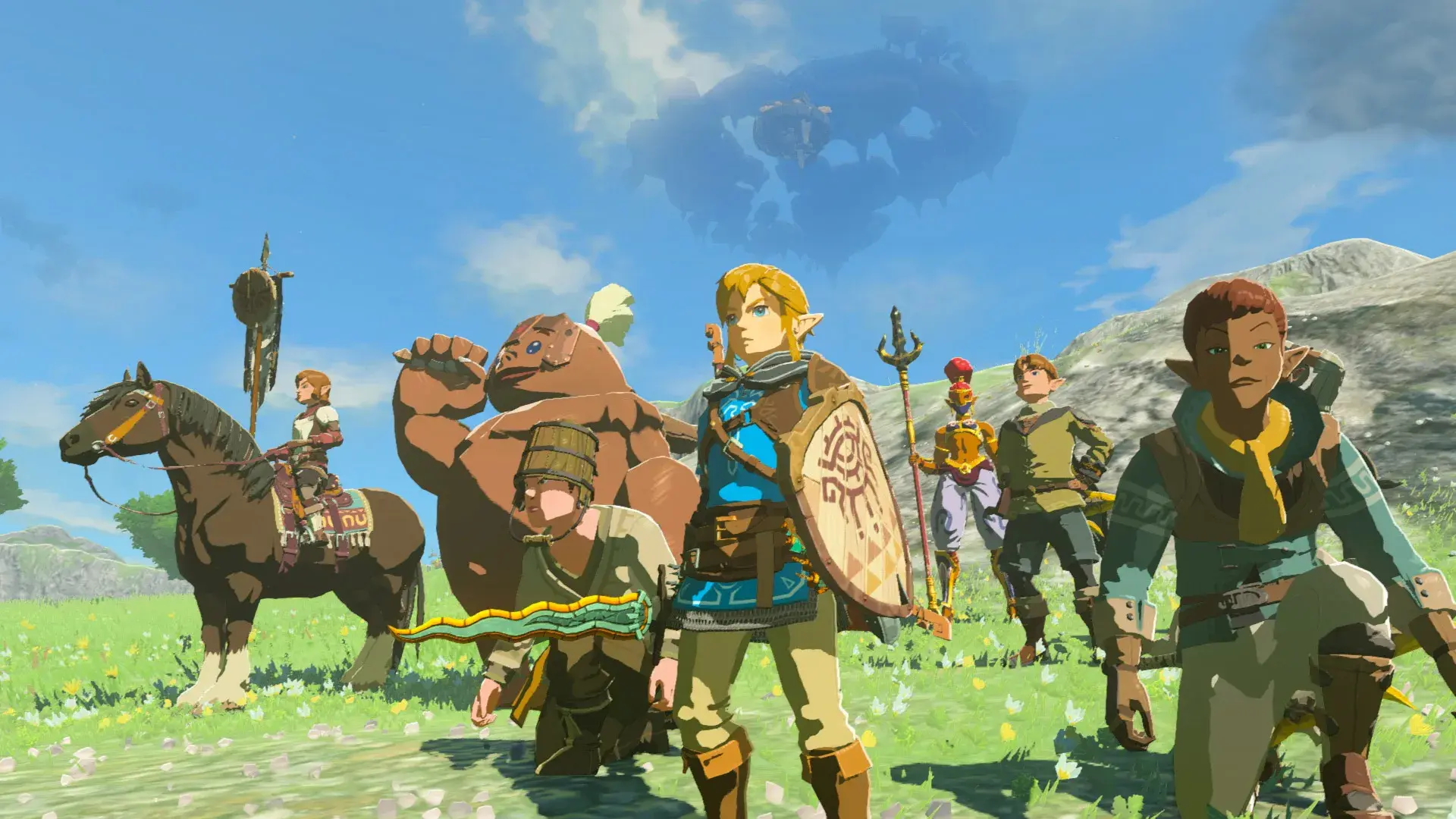
Breath of the Wild genuinely changed how open worlds are designed, and the praise didn’t come out of nowhere. The constant juggling of weapon durability, survival systems, and physics puzzles turns exploration into work for a lot of players instead of freedom. Many love the idea of it more than the experience itself, then drift away halfway through without ever finishing the adventure. | © Nintendo
Elden Ring gets sold as the most welcoming Souls game, which is true, only on a curve. The freedom, scale, and cryptic storytelling leave plenty of players drifting without a clear sense of purpose, unsure why they’re fighting or where they’re meant to go. Once the initial awe wears off, confusion creeps in, and a lot of people quietly stop playing rather than admit they’re lost. | © FromSoftware
Red Dead Redemption 2 is endlessly praised as a technical and storytelling triumph, and that part is earned. The problem is how slowly it asks you to live inside it, turning basic actions and long rides into a test of patience rather than pleasure. A lot of players genuinely admire what it’s doing, then put it down anyway, realizing respect isn’t the same thing as wanting to keep playing. | © Rockstar Games
Some games are praised so often it feels automatic. People quote the consensus, repeat the highlights, and move on. Loving them out loud doesn’t always mean enjoying them in private.