



























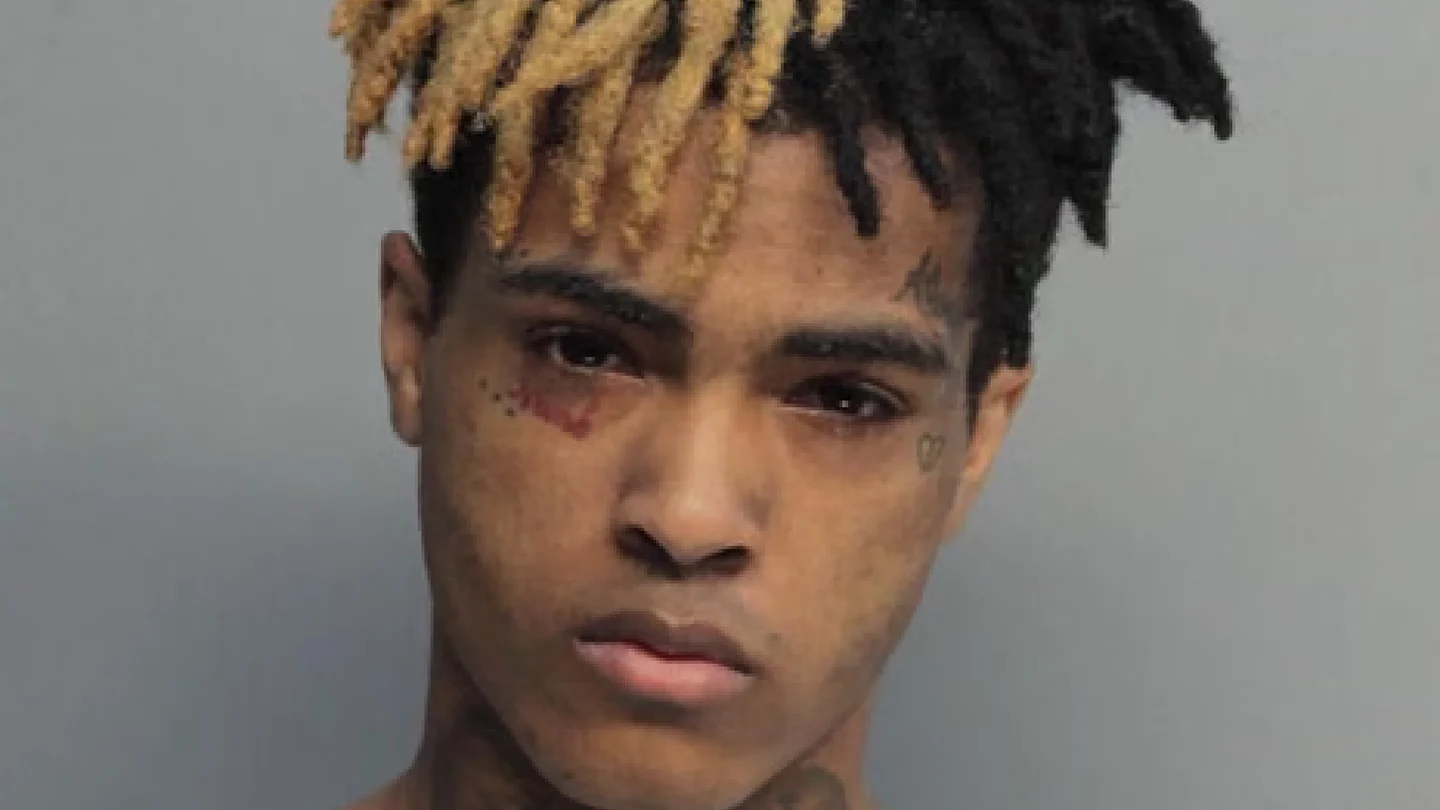

XXXTentacion was a product of his time, a symbol of his generation, and a deeply problematic role model.

On June 18, 2026, it will be eight years since the death of XXXTentacion. To this day, his name remains associated with one of the most contradictory figures in modern music history: an artist who reached millions of young listeners through raw, vulnerable songs and at the same time a person whose life was marked by allegations of violence, criminal proceedings, and serious controversy.
XXXTentacion, born Jahseh Dwayne Ricardo Onfroy, entered the world on January 23, 1998, in Plantation, Florida.
Raised in difficult circumstances, he was exposed to conflict, violence, and instability from an early age. Music became an outlet through which he could express anger, loneliness, and pain without filters. That directness was precisely what made him so important to many fans. His songs did not sound polished or emotionally distant; they felt like open diary entries filled with depression, aggression, longing, and self-destruction.
A Sound Between Rap, Emo And Chaos
XXXTentacion first gained attention through SoundCloud. His viral breakthrough came with “Look at Me!”, a distorted, aggressive track that felt raw, chaotic, and dangerous. It perfectly matched an internet generation that no longer sorted music neatly into genres. Rap, punk, metal, emo, lo-fi production, and melancholic guitar melodies could all coexist within the same song.
His debut album 17 arrived in 2017 and revealed a different side of him. Rather than relying solely on anger and provocation, it placed depression, emotional emptiness, and personal struggles at its center. Songs such as “Jocelyn Flores” and “Everybody Dies in Their Nightmares” became soundtracks to many listeners’ darkest moments. In 2018, he followed it with ?, which included his biggest hit, “SAD!”, and reached No. 1 on the Billboard 200.
It was this combination that made Onfroy so influential. He may not have been the most technically refined rapper of his generation, but he was among the most emotionally immediate. His music was often contradictory, erratic, and unfinished yet for many fans, that made it feel more authentic than polished pop perfection.
The Controversies That Cannot Be Ignored
Any discussion of XXXTentacion must also acknowledge the serious allegations that surrounded him. During his lifetime, he faced multiple accusations, including allegations of domestic abuse involving his former partner. In 2016, he was charged with several offenses, including aggravated battery of a pregnant woman, domestic battery by strangulation, false imprisonment, and witness tampering.
After his death, Pitchfork published a secretly recorded audio clip in which XXXTentacion appeared to discuss violence against a former partner and other acts of violence. The recording reignited debate over his legacy: How should society engage with art that many people found life-changing or even life-saving if its creator may have caused profound harm to others?
That tension cannot be resolved easily. For some fans, XXXTentacion remains the artist who spoke openly about depression when they felt completely alone. For others, he represents how quickly violence against women can be minimized once a talented, young, or tragically deceased artist is involved. Both realities are part of his story and neither should erase the other.
The Killing On June 18, 2018
On June 18, 2018, XXXTentacion was shot and killed outside a motorcycle dealership in Deerfield Beach, Florida. He was only 20 years old.
The shooting occurred during a robbery. Several men were later charged in connection with the crime. In 2023, three of the perpetrators were sentenced to life imprisonment, while a fourth had previously reached a plea agreement with prosecutors and testified against the others.
News of his death spread rapidly. Fans gathered at memorial sites, shared music, photographs, videos, and personal stories, and reflected on the impact his work had on their lives. Many said his songs had helped them through depression, loneliness, or self-hatred. Others emphasized that mourning him should not mean forgetting those who may have suffered because of him.
A Posthumous Legacy Full Of Contradictions
After his death, XXXTentacion’s popularity continued to grow. “SAD!” surged once again, his catalog accumulated hundreds of millions of additional streams, and posthumous releases such as Skins and Bad Vibes Forever followed. Skins debuted at No. 1 in the United States, while Bad Vibes Forever later received a more mixed reception.
Yet these releases also raised difficult questions. How much of a posthumous album still reflects the artist’s own vision, and how much is shaped by estate management? When does remembrance become commercialization? And how does a body of work change when the artist is no longer able to decide what is finished and what is not?
His death also left a lasting impact on his family. His son, Gekyume Onfroy, was born in January 2019, several months after XXXTentacion’s death. For many fans, Gekyume became an emotional symbol that a part of Jahseh Onfroy lived on although projecting such expectations onto a child can, of course, be problematic in its own right.
Why XXXTentacion Remains Polarizing
Eight years after his death, XXXTentacion remains a figure about whom few people speak neutrally. His supporters see an artist who gave voice to emotional pain before vulnerability became commonplace in mainstream rap. His critics see an example of how popular culture can romanticize violent men after their deaths while pushing victims to the margins.
Musically, his influence is difficult to deny. His fusion of emo rap, raw SoundCloud aesthetics, guitar-driven melancholy, and emotional openness helped shape an entire wave of younger artists. Onfroy demonstrated that rap did not have to focus exclusively on status, toughness, and success it could also explore panic attacks, self-hatred, grief, and emotional emptiness.
At the same time, his story serves as a reminder of the dangers of equating suffering with innocence. The fact that someone experiences pain does not mean they are incapable of causing pain to others. In XXXTentacion’s case, the difficult truth is that both realities existed at once: music that genuinely helped many people, and a life overshadowed by serious allegations and real harm.
An Anniversary Without Easy Answers
On June 18, 2026, XXXTentacion will have been gone for eight years. His music continues to live on, his fans continue to preserve his memory, and his posthumous releases as well as the XXXTentacion Foundation seek to connect his legacy with charitable initiatives. According to the organization, its mission includes supporting community projects, educational opportunities, disaster relief efforts, and assistance for underserved communities.
Yet his legacy remains deeply complicated. XXXTentacion was neither simply a monster nor merely a misunderstood genius. He was a young, extraordinarily talented, emotionally open, and at the same time profoundly problematic artist whose life and death continue to provoke debate.
Perhaps that is the most honest way to write about him: not as a saint, not as a scandal alone, but as someone whose music touched countless people and whose story should never be told without acknowledging those who suffered because of him.