




























No one can say for certain where AAA games are headed. What is clear, however, is that many theories are emerging about the future of gaming, one of which comes from former Assassin’s Creed director Alexandre Amancio.
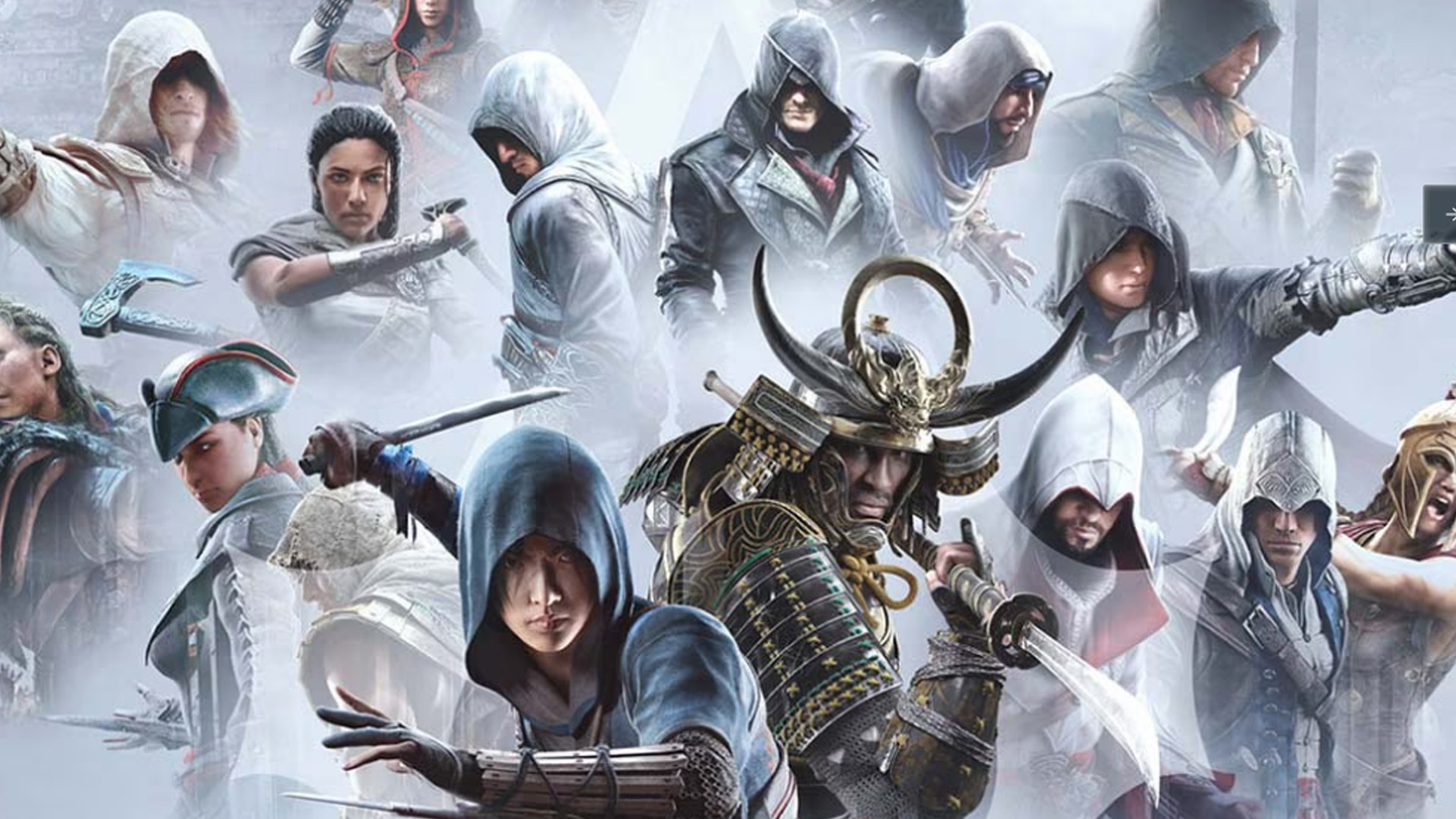
Alexandre Amancio, former director of Assassin’s Creed Unity and Revelations, is known for his sharp criticism of the AAA game industry. In an interview with gamesindustry, he expanded on his views, arguing that the core issue stems from the increasingly large size of development teams.
"The Western Games Industry Is In A Crisis."
People around the world are actively debating the future of the gaming industry. While artificial intelligence plays a major role in many of these discussions, it is not the factor Alexandre Amancio believes is at the heart of the problem. In his view, the size of development teams is what matters most.
In the interview, he told gamesindustry that once a game involves around 100 people, development quickly becomes heavily management-driven. It turns into a self-perpetuating cycle, where more people are hired simply to coordinate others who are already coordinating the work.
Something that a lot of AAA studios mistakenly do, or certainly did in the past, is think that you can solve a problem by throwing people at it.
In his view, adding more people can fundamentally change the dynamic of an existing team. The development process itself becomes more variable and harder to control. Put differently, too much input from too many directions inevitably alters the final outcome of a game.
Small Teams Are The Future
In his opinion, AAA studios would benefit from placing their bets on smaller teams. Doing so could maximize efficiency while avoiding the excess noise that can blur creative direction and dilute the final result.
I think that there's stuff we can learn from other industries. The film industry evolved into coalesced, core teams in which each person is responsible for putting together a crew to help them on that.
Building teams in this way would also mean they are largely temporary. While there would be trusted, go-to people for each project, this approach would ultimately make many roles redundant over time.
Outsourcing and co-development studios are also part of Amancio’s proposed solution. Smaller studios with leaner teams could remain flexible, bringing in additional resources from external partners only when a project requires them.
Ultimately, only time will tell where the gaming industry is headed. For now, however, AAA studios are clearly facing a period of crisis, especially when titles like Clair Obscur: Expedition 33 demonstrate that a small studio can deliver a high-quality experience without relying heavily on generative AI.
What do you think? Is team size the real issue, or could AI play a bigger role? Share your thoughts in the comments!