





















The use of AI-generated voices is becoming increasingly common in the gaming industry. Recent debates surrounding the game Arc Raiders have only intensified criticism of the practice, putting development studios under heavy scrutiny. Now, voice actors have had enough. One of them, Neil Newbon, best known for his role as Astarion, has spoken out critically against the use of AI voices.
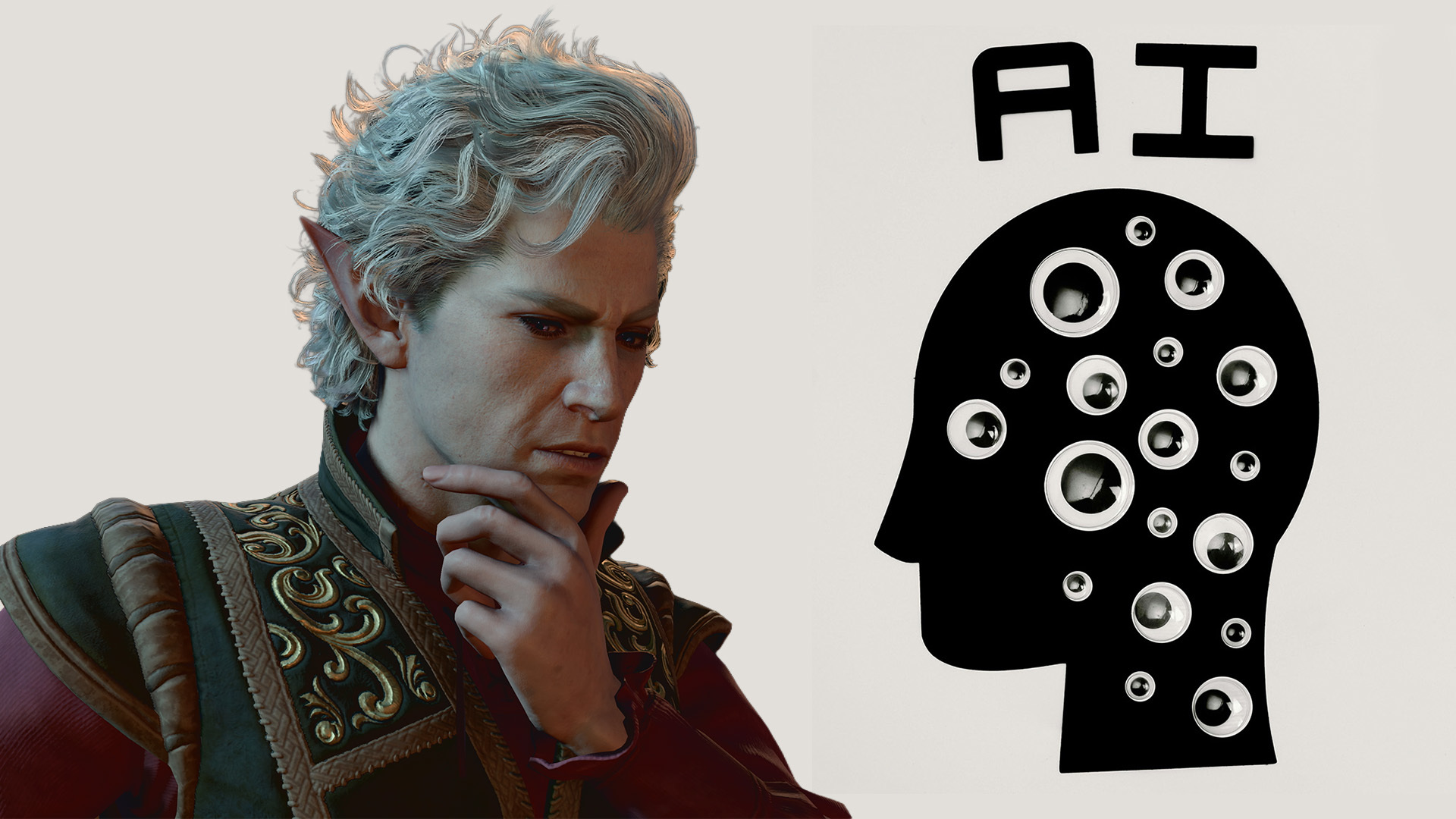
Almost every day, a new headline appears that has something to do with generative AI in gaming. Its use is increasing without any real regulation. Human talent and creativity are being replaced by computer code by major publishers. One affected group, for example, are voice actors, who lend their voices to our beloved characters. Neil Newbon, known for his role as Astarion in Baldur's Gate 3, has spoken out publicly against its use, while other actors and the American union SAG-AFTRA are also fighting against its implementation.
Finances As An Excuse
Only recently, Embark Studios came under fire for its game Arc Raiders. The reason was the excessive use of AI-generated voices for NPCs. For this purpose, an AI was specifically trained using human actors, the AI then recorded the NPC dialogue.
Embark’s main counterargument is that “only” NPCs were voiced this way. Major story elements were still recorded using human voice actors.
In a previous interview with Eurogamer, the CCO gave further reasons for the use of generative AI. It allowed the team to remain small. Text adjustments could be made quickly and without re-recordings. Additionally, these tasks were described as work that a voice actor would consider low-value.
This is interesting when you consider that voice actors like Alex Jordan, also known as Rook from Dragon Age Veilguard, were only responsible for recording the explicit scenes in Baldur’s Gate 3, if you know what we mean. You know – the NSFW sounds. Does that mean there is work that is actually considered not valuable?
A major argument from the anti-AI side is that studios are trying to save money this way, even though voice actors are still generally underpaid, considering the impact they can have on a game purely through their voices.
A Clear Stance From Voice Actors
Neil Newbon has already taken a very clear position on this topic in the past. AI voices are exactly what they are: not human, and you are able to hear that.
I've heard generative AI. It's dull as hell. I don't believe it. It takes me out of the immersion.
And he’s not the only one who feels this way. Voice actors fear for their livelihoods, which was also one of the reasons behind the massive strike in the United States. For a long time, Alex Jordan didn’t even stream the game in which he played the lead role, nor did he reveal which characters he had voiced, in order to stand in solidarity with his colleagues.
Both SAG-AFTRA and many other voice actors are fighting against the use of AI voices. Even though many have come to realize that AI cannot be stopped in the long term, they are advocating for regulated usage.
I don't really care about generative AI, because it sounds [bad]. No matter how advanced it's getting, it still sounds not right. And I would say to anyone who made a [...] ton off of a release that uses generative AI for voices: maybe go back to those actors you paid however much money to clone their voices, maybe get them in the booth and re-record that stuff.
Neil Newbon clearly calls for re-recordings, especially when a studio has made a large amount of money from a release. A voice actor’s salary is relatively small compared to overall production costs.
Code Over Humanity
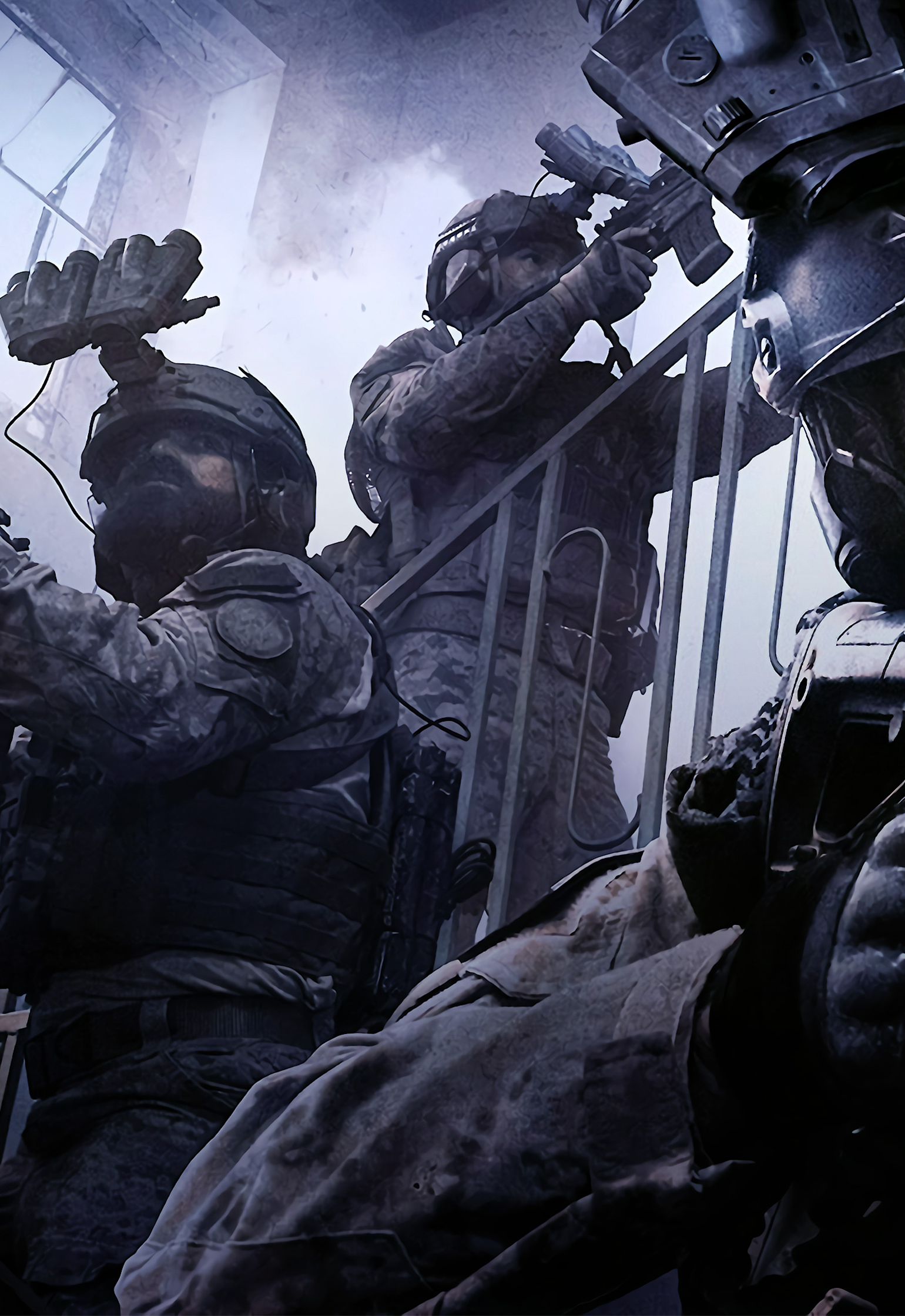
Unfortunately, the trend seems to be strongly leaning toward AI. This is likely one of the reasons for the major backlash. In addition to Arc Raiders, Call of Duty Black Ops 7 faced similar criticism. The game was publicly torn apart for the quality of its work.
The main point of criticism here as well was that it simply doesn’t feel right. At the end of the day, AI may be good at imitation, but human creativity and emotion are difficult to replace with computer code.
Whether another strike will occur in the future remains to be seen. AI will likely continue to be omnipresent, and only time will tell how far it manages to push its way to the top.
At the very least, there is hope due to the negative reactions that follow whenever AI-generated content is released. In conclusion, it can be said that AI can be an incredibly powerful tool to enhance human creativity, but it should never be seen as a replacement.
What do you think about generative AI? How do you see its development in the future? We’d love to hear your opinion, so feel free to leave a comment!