

























A Winnie-the-Pooh joke mocking Xi Jinping sparked the backlash that pulled Devotion from Steam and derailed its return through GOG.

Winnie-the-Pooh is not a monster in Devotion. He does not chase you down a corridor or wait behind a locked door. Yet a reference to the bear in a small piece of background art did more damage to the Taiwanese horror game than anything its creators had scripted.
Released in February 2019, Devotion earned glowing reviews before a joke about Chinese leader Xi Jinping triggered a backlash that swallowed its launch. Within days, it was gone from Steam. An attempted comeback through GOG collapsed the following year. Removing the offending image proved considerably easier than getting the game back on sale.
The Scariest Thing Was Supposed to Be the Apartment
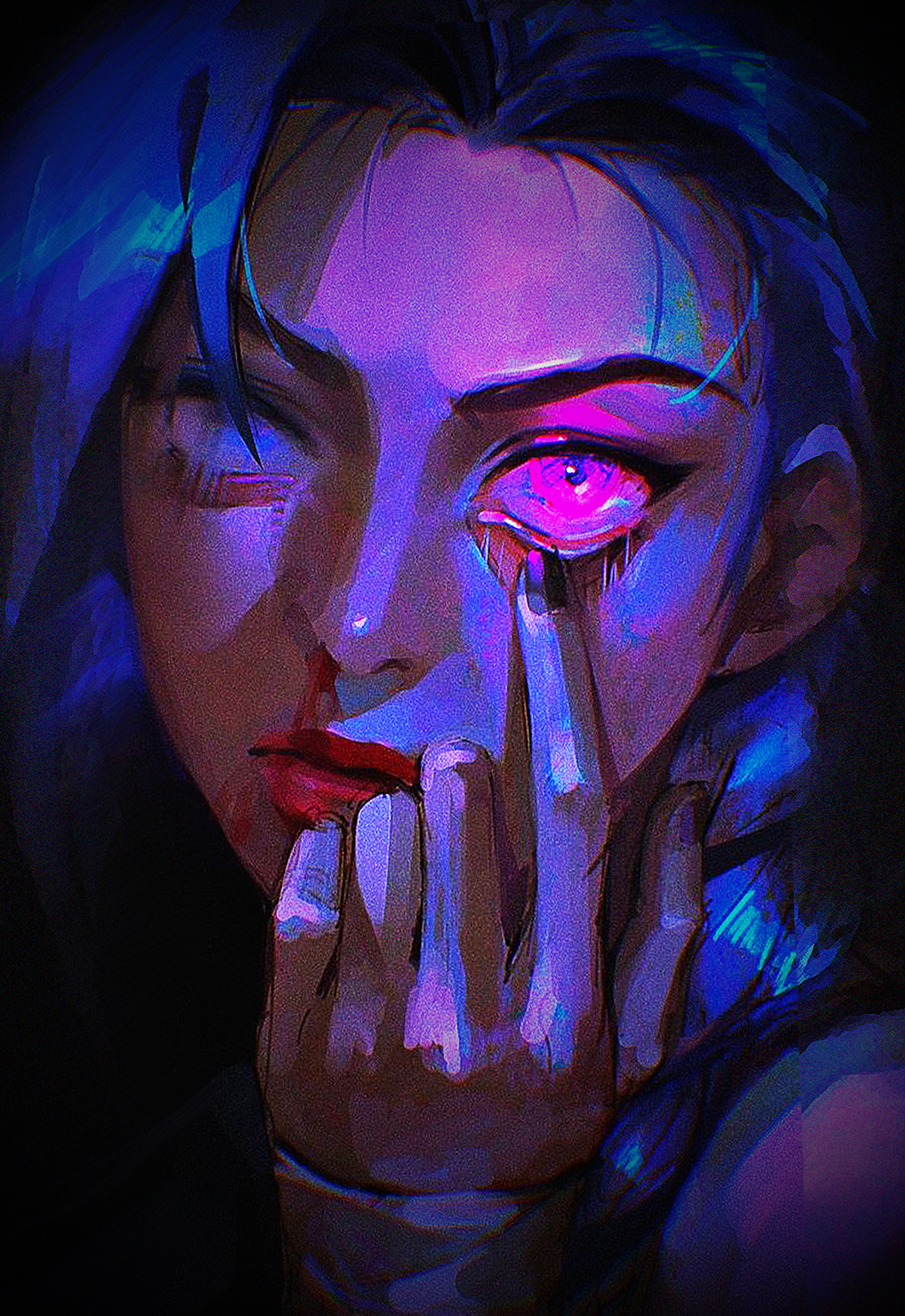
Developed by Red Candle Games, Devotion explores a family's unraveling in 1980s Taiwan. Its apartment setting shifts as players piece together a story of illness, religious obsession and parental love turned destructive. Domestic details carry the horror: familiar rooms become uncomfortable, then unbearable.
That intimacy helped distinguish it from the usual haunted-house routine. WIRED praised its emotional depth, while Polygon celebrated its unsettling use of a changing home. This was a game worth discussing for what it did with a few rooms. Instead, the conversation narrowed to one decoration.
Players discovered a talisman containing text that connected Xi with Winnie-the-Pooh and an insult commonly translated as “moron.” The comparison was already politically charged: Chinese censors had targeted Pooh memes mocking Xi. A background gag had wandered straight into that sensitivity.
Red Candle said the image was placeholder material accidentally left in the finished game. The studio removed it and apologized, insisting that attacking real people was not its intention. Whatever the individual asset's origin, the developers were not presenting Devotion as a political satire.
The Apology Didn't Put It Back on Sale
Negative Steam reviews poured in, with the backlash also reaching Red Candle's earlier game, Detention. Publishing relationships with Indievent and Winking Entertainment ended, and the studio's Weibo account was shut down.

By February 25, Devotion had disappeared from Steam globally. Red Candle said it was withdrawing the game to investigate crashes, perform another quality check and review its art assets. Its statement also explicitly acknowledged the pressure surrounding the controversy.
That distinction matters: Red Candle announced the withdrawal itself. Describing the episode simply as Valve banning a game on Xi's orders would go beyond the available evidence. The documented sequence is damaging enough: an offensive joke, a furious backlash, severed business ties and a developer pulling its acclaimed release from sale.
Months passed. A limited physical release in Taiwan in 2020 offered a small reprieve, but international players were still waiting for a straightforward way to buy a digital copy.
A Comeback That Lasted a Few Hours
On December 16, 2020, Red Candle announced that Devotion would arrive on GOG two days later. Finally, there was a date and a storefront.
Then GOG reversed course that same day. Its explanation cited “many messages from gamers,” without identifying the senders or explaining their objections. The planned release was canceled before it could happen.

The wording invited an obvious question: since when did complaints from people who didn't want a game determine whether everyone else could buy it? GOG had turned a potential rescue into another rejection, leaving Red Candle to explain yet another failed return.
In January 2026, GOG managing director Maciej Gołębiewski acknowledged that the decision and its communication had damaged users' trust. He cited business constraints and a limited understanding of the geopolitical circumstances. It was a more substantial explanation than the original message, arriving more than five years later.
Red Candle had already found its own solution. In March 2021, it opened an online shop and restored digital sales of Devotion, offering the game without DRM. It remains available directly from the developer, so its disappearance was not permanent.
Still, the bear has become an absurdly effective distraction. A horror game about a family destroying itself is now routinely introduced through a joke its creators removed almost immediately. Red Candle managed to get Devotion back into players' hands. Getting people to talk about the actual game has proved a much longer job.