


























• Lootday.com logo
  • Join today to claim your daily loot
English
    • News
    • Guides
    • Gaming
      • Codes
      • League of Legends
      • Lootday
    • Creators
    • Entertainment
    • Careers
    • Lootday
    • EarlyGame+
  • Login
  • Homepage My List Settings Sign out
  • News
  • Guides
  • Gaming
    • All Gaming
    • Codes
    • League of Legends
    • Lootday
  • Creators
  • Entertainment
  • Careers
  • Lootday
  • EarlyGame+
Game selection
Kena
Gaming new
Enterianment CB
ENT new
Influencer 5229646 640
TV Shows Movies Image
TV shows Movies logo 2
Fifa stadium
Fc24
Fortnite Llama WP
Fortnite Early Game
LOL 320
Lo L Logo
Codes bg image
Codes logo
Smartphonemobile
Mobile Logo
Videos WP
Untitled 1
Cod 320
Co D logo
Rocket League
Rocket League Text
Apex 320
AP Ex Legends Logo
DALL E 2024 09 17 17 03 06 A vibrant collage image that showcases various art styles from different video games all colliding together in a dynamic composition Include element
Logo
Logo copy
GALLERIES 17 09 2024
News 320 jinx
News logo
Lootday bg
Guides
More EarlyGame
Logo copy

Galleries

Lootday bg

lootday

News

News

Codes bg image

Codes

Razer blackhsark v2 review im test

Giveaways

  • Copyright 2026 © eSports Media GmbH®
  • Privacy Policy
  • Impressum and Disclaimer
 Logo
English
  • English
  • German
  • Spanish
  • EarlyGame india
  • Homepage
  • Gaming

15 Video Games That Aged Flawlessly

1-15

Nazarii Verbitskiy Nazarii Verbitskiy
Gaming - July 24th 2026, 20:30 GMT+2
Batman Arkham Asylum

15. Batman: Arkham Asylum (2009)

Rocksteady did not need an open city to make players feel like Batman. The asylum’s tightly connected wings turn every corridor, vent, and gargoyle into part of a larger hunting ground, while FreeFlow combat still makes a simple string of punches, counters, and takedowns look improbably graceful. Predator rooms remain the real showpiece, rewarding patience, intimidation, and a little theatrical cruelty. Later entries added more gadgets and square mileage, but Arkham Asylum keeps the cleaner rhythm. Its comic-book art direction, sharp pacing, and memorable villain encounters still hold together with almost no apology required. | © Warner Bros. Games

Gears of War

14. Gears of War (2006)

Gears of War may be soaked in the brown-and-gray palette of its era, yet the game itself still moves with unusual force. Sliding into cover, blind-firing around corners, and hitting an Active Reload all feel immediate because every action has weight behind it. The campaign knows when to trade military bravado for horror, spectacle, or a quiet walk through ruined streets, so the shooting rarely becomes a flat corridor exercise. Plenty of later games borrowed its camera and cover system; far fewer matched the crunchy weapons, aggressive enemy pressure, and wonderfully excessive confidence of the original. | © Xbox Game Studios

Pac Man

13. Pac-Man (1980)

Pac-Man remains a minor miracle of design economy: one maze, four ghosts, a handful of power pellets, and enough tension to expose every bad decision a player makes. The ghosts are not simply random pursuers; their different movement patterns create traps, openings, and sudden reversals that become easier to read without ever becoming harmless. Chasing fruit or clearing the last dots introduces just enough greed to ruin a safe route. Its visuals have become cultural shorthand, but the game survives because movement, risk, and reward are communicated instantly. Decades later, no tutorial pop-up is needed. | © Bandai Namco Entertainment

Diablo III

12. Diablo II (2000)

Diablo II still understands the dark art of making one more dungeon feel like a perfectly reasonable life choice at 2 a.m. Each class has a distinct identity, loot constantly reshapes the next decision, and randomized areas keep familiar acts from becoming completely mechanical. The combat is simple to read but increasingly demanding as enemies, resistances, and build choices begin colliding. Its gothic atmosphere also benefits from restraint: muddy crypts, scorched wastelands, and oppressive music do more than endless visual clutter could. Inventory management is undeniably old-school, yet the core loop remains dangerously effective and remarkably easy to lose an evening inside. | © Blizzard Entertainment

Final Fantasy VI

11. Final Fantasy VI (1994)

Final Fantasy VI gives its enormous cast room to feel like people rather than party slots waiting to be optimized. Terra’s uncertainty, Celes’s despair, Locke’s guilt, and Cyan’s grief all survive the limitations of sprite-based storytelling because the writing and animation know exactly when to pull back. The midgame catastrophe still lands with extraordinary force, rebuilding the adventure around loss, reunion, and a villain who actually succeeded. Traditional turn-based battles may reveal the game’s age, but its pacing, character work, music, and willingness to fracture its own world remain bold. Even the opera sequence still plays with total confidence. | © Square Enix

Chrono Trigger

10. Chrono Trigger (1995)

Chrono Trigger is so well paced that replaying it can make newer role-playing games feel trapped in an endless meeting about crafting materials. Encounters happen directly on the map, transitions are swift, and Dual and Triple Techs turn party composition into something visibly collaborative. Time travel is more than a premise pasted onto the story; actions in one era alter another, optional quests deepen the cast, and multiple endings reward curiosity without bloating the journey. Akira Toriyama’s character designs remain instantly readable, while the soundtrack carries wonder, melancholy, and momentum in equal measure. Almost nothing here feels wasted. | © Square Enix

Doom

9. Doom (1993)

Doom opens with the design equivalent of a shove through a door and never loses that momentum. Movement is fast, weapons are distinct, enemies broadcast their threats clearly, and the best maps repeatedly fold back on themselves through keys, lifts, ambushes, and secret passages. Its sprites and chunky environments now look stylized rather than merely primitive, especially beside realistic shooters whose once-cutting-edge visuals aged into mud. More importantly, the rules remain beautifully legible: keep moving, control space, and choose the right weapon before the room becomes a demonic traffic jam. Modern source ports help, but the original design is doing the heavy lifting. | © id Software

Super Mario World

8. Super Mario World (1990)

Super Mario World treats movement as its main attraction, then keeps finding new ways to complicate it without making it fussy. Yoshi changes how enemies and hazards are approached, the Cape Feather rewards mastery far beyond its basic tutorial, and secret exits turn Dinosaur Land into a map full of quiet conspiracies. Mario’s momentum has just enough looseness to encourage experimentation while still making mistakes feel readable. The bright pixel art has barely lost any charm, but the real reason the game endures is its generosity: almost every level introduces an idea, plays with it, and leaves before the joke becomes stale. | © Nintendo

Castlevania Symphony of the Night

7. Castlevania: Symphony of the Night (1997)

Castlevania: Symphony of the Night begins by handing players a powerful vampire, promptly stealing his equipment, and then setting him loose inside a castle built like an architectural prank. Alucard’s fluid movement, varied weapons, spells, transformations, and RPG progression make exploration rewarding long before the map reveals its greatest trick. The pixel art remains lavish, the soundtrack leaps confidently between gothic grandeur and jazz-inflected oddity, and nearly every suspicious wall invites investigation. Its inverted castle can stretch the adventure, but the central pleasure of getting lost, finding something strange, and becoming absurdly powerful has barely aged at all. | © Konami

Street Fighter III

6. Street Fighter III: 3rd Strike (1999)

Street Fighter III: 3rd Strike turns defense into a public act of disrespect. The parry system rewards precise timing and nerve, allowing a player to steal momentum instead of merely blocking until the danger passes. That mechanic gives matches a sharp psychological edge, but it is only part of the appeal: Capcom’s hand-drawn animation remains astonishingly fluid, every fighter moves with distinct personality, and the jazzy soundtrack still sounds effortlessly cool. The unconventional roster may have seemed risky at release, yet it helped the game escape the shadow of earlier Street Fighter lineups. It remains demanding, expressive, and capable of producing instant legends. | © Capcom

Majoras Mask

5. The Legend of Zelda: Majora’s Mask (2000)

The moon in Majora’s Mask is not background decoration; it is a deadline with a face, growing larger while Termina’s residents continue their routines below. The repeating three-day cycle turns the world into a network of schedules, private fears, and missed opportunities, asking players to learn people rather than simply clear objectives. Transformation masks dramatically alter movement and combat, but the emotional side quests give the game its lasting power. Low-poly environments have aged into something dreamlike and unsettling, which suits the material perfectly. Repetition rarely feels this meaningful, and helping someone has seldom felt so temporary or precious. | © Nintendo

Eternal Darkness Sanitys Requiem

4. Eternal Darkness: Sanity’s Requiem (2002)

Eternal Darkness: Sanity’s Requiem does not stop at frightening its characters; it occasionally tries to convince the player that the television, controller, or save file has turned against them. The sanity effects remain its most famous trick, but the larger structure is just as clever, linking protagonists across different centuries into one expanding cosmic nightmare. Spellcasting encourages experimentation, while repeated locations gain new meaning as the timeline advances. Combat and animation show their age more clearly than the ideas do, yet the game’s willingness to tamper with player trust still feels wonderfully mischievous. Many horror games unsettle; this one tries to gaslight the hardware. | © Nintendo

Devil May Cry

3. Devil May Cry (2001)

Devil May Cry arrived with the confidence of a game that had already decided ordinary victory was not enough. Dante can launch demons into the air, keep them suspended with gunfire, and turn a basic encounter into a performance measured by the style meter. Responsive swordplay, enemy-specific tactics, and Devil Trigger make the compact castle worth mastering rather than merely surviving. Fixed cameras and underwater sections remain obvious relics, but the central philosophy has not dulled: action should reward expression, precision, and swagger. Entire subgenres grew from that idea, and the original still communicates it with remarkable clarity. | © Capcom

Age of Empires II

2. Age of Empires II (1999)

Age of Empires II makes empire-building readable without making it shallow, which remains a harder balancing act than it sounds. Villagers gather, construct, farm, and fortify through an interface that clearly communicates priorities, while military counters punish anyone who believes one expensive unit can solve every problem. Civilizations share a common foundation but diverge through bonuses, technologies, and unique troops, creating variety without turning each match into homework. Campaigns deliver historical drama, yet skirmishes produce the better stories: desperate walls, ruined economies, accidental heroics, and one trebuchet surviving far longer than logic permits. The strategy still feels clean, flexible, and endlessly replayable. | © Xbox Game Studios

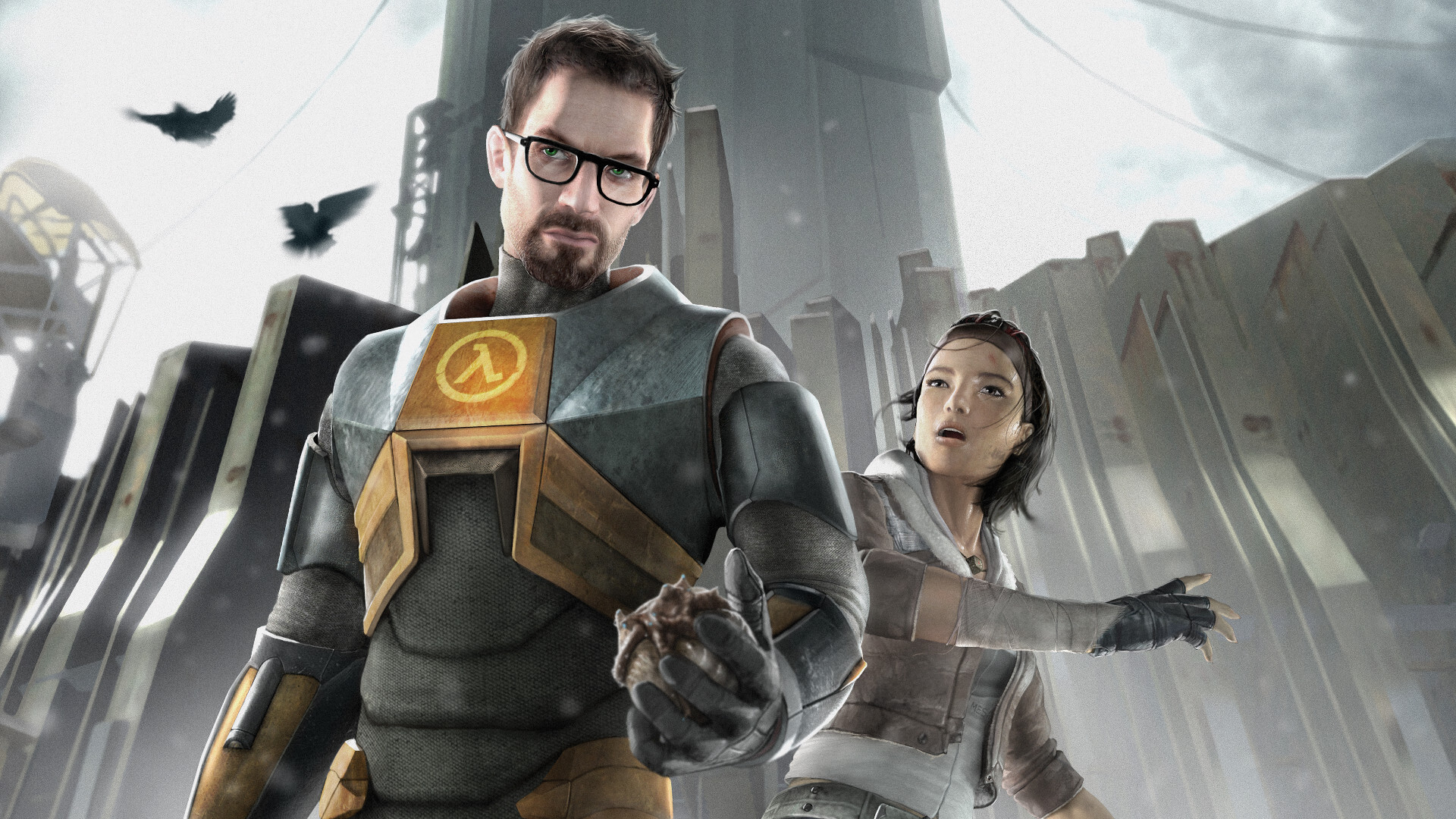
Half Life 2

1. Half-Life 2 (2004)

Half-Life 2 still makes technology feel inseparable from adventure. The Gravity Gun is a weapon, puzzle tool, toy, and invitation to inspect every loose object in City 17; even a radiator can become a convincing argument against oppression. Valve moves from surveillance-state unease to canals, Ravenholm, coastal roads, and open rebellion without breaking the first-person perspective for conventional cutscenes. Alyx Vance remains expressive without feeling scripted into submission, while environmental details reward attention without stopping the story for exposition. Plenty of shooters have become prettier and louder since then. Very few have built a world this convincing while trusting the player to keep moving. | © Valve

1-15

Most games eventually reveal their age through clunky controls, dated visuals, or mechanics that modern players have learned to live without. Others seem almost untouched by time, still feeling sharp, inventive, and effortlessly playable decades after release. These 15 video games have aged flawlessly, not because nostalgia hides their flaws, but because their design was strong enough to outlast changing technology, industry trends, and several generations of hardware.

  • Facebook X Reddit WhatsApp Copy URL

Most games eventually reveal their age through clunky controls, dated visuals, or mechanics that modern players have learned to live without. Others seem almost untouched by time, still feeling sharp, inventive, and effortlessly playable decades after release. These 15 video games have aged flawlessly, not because nostalgia hides their flaws, but because their design was strong enough to outlast changing technology, industry trends, and several generations of hardware.

Related News

More
Cropped Fool Me Once
TV Shows & Movies
15 Best Psychological Thrillers to Binge on Netflix
Cropped The Last of Us 2
Gaming
Franchise Fatigue: 20 Video Game Series That Have Been Milked Dry
Fallout
TV Shows & Movies
15 TV Shows with the Deepest and Most Complex Lore
Bloodborne 2015
Gaming
Top 20 Great Video Games That Will Never Get a Sequel
Counterpart
TV Shows & Movies
The 15 Best Sci-Fi TV Shows Available to Binge Right Now
2001 A Space Odyssey 1968
Entertainment
15 Movies You Didn’t Know Were Inspired by Homer’s The Odyssey
Logan
Gaming
15 Video Game Villains Who Were Actually Right All Along
Sahara
TV Shows & Movies
The 15 Great Movies with Horrible Rotten Tomatoes Scores
Blake Lively Ryan Reynolds 1
TV Shows & Movies
15 Fictional Couples Who Got Together in Real Life
Kevin Spacey
Entertainment
15 Hollywood Stars Who Fell From Grace and Never Recovered
Elder Dragon League
League of Legends
League of Legends: Is Elder Dragon Actually Too Strong?
Cropped Portada
Entertainment
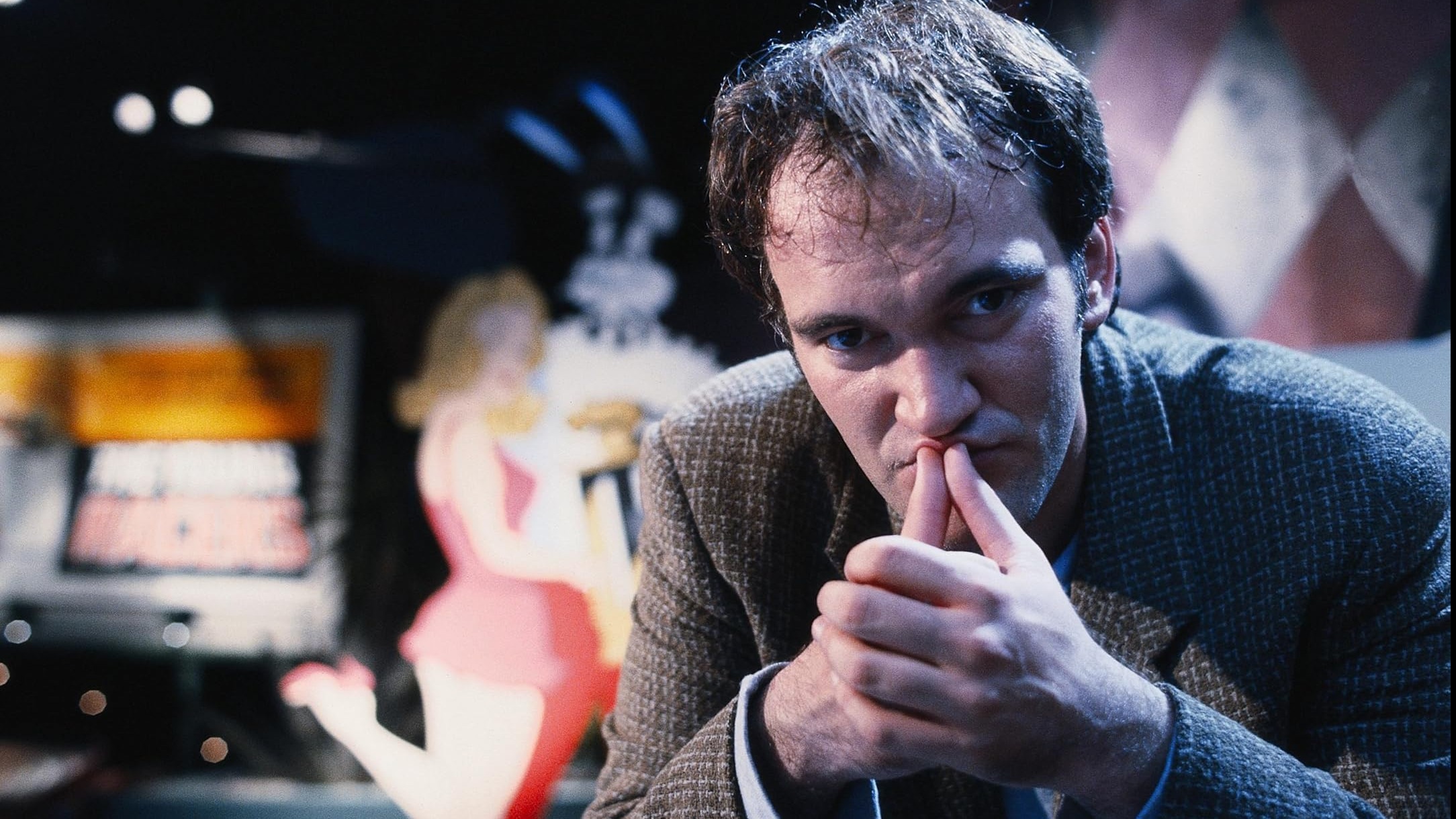
Quentin Tarantino’s 11 Favorite Movies Of All Time
  • All Gaming
  • Videos
  • News
  • Home

Subscribe to our Newsletter

Sign up for selected EarlyGame highlights, opinions and much more

About Us

Discover the world of esports and video games. Stay up to date with news, opinion, tips, tricks and reviews.
More insights about us? Click here!

Links

  • Affiliate Links
  • Privacy Policy
  • Impressum and Disclaimer
  • Advertising Policy
  • Our Editorial Policy
  • About Us
  • Authors
  • Ownership

Partners

  • Kicker Logo
  • Efg esl logo
  • Euronics logo
  • Porsche logo
  • Razer logo

Charity Partner

  • Laureus sport for good horizontal logo

Games

  • Gaming
  • Entertainment
  • Creators
  • TV Shows & Movies
  • EA FC
  • Fortnite
  • League of Legends
  • Codes
  • Mobile Gaming
  • Videos
  • Call of Duty
  • Rocket League
  • APEX
  • Reviews
  • Galleries
  • News
  • Your Future
  • Lootday
  • Guides

Links

  • Affiliate Links
  • Privacy Policy
  • Impressum and Disclaimer
  • Advertising Policy
  • Our Editorial Policy
  • About Us
  • Authors
  • Ownership
  • Copyright 2026 © eSports Media GmbH®
  • Privacy Policy
  • Impressum and Disclaimer
  • Update Privacy Settings
English
English
  • English
  • German
  • Spanish
  • EarlyGame india