




















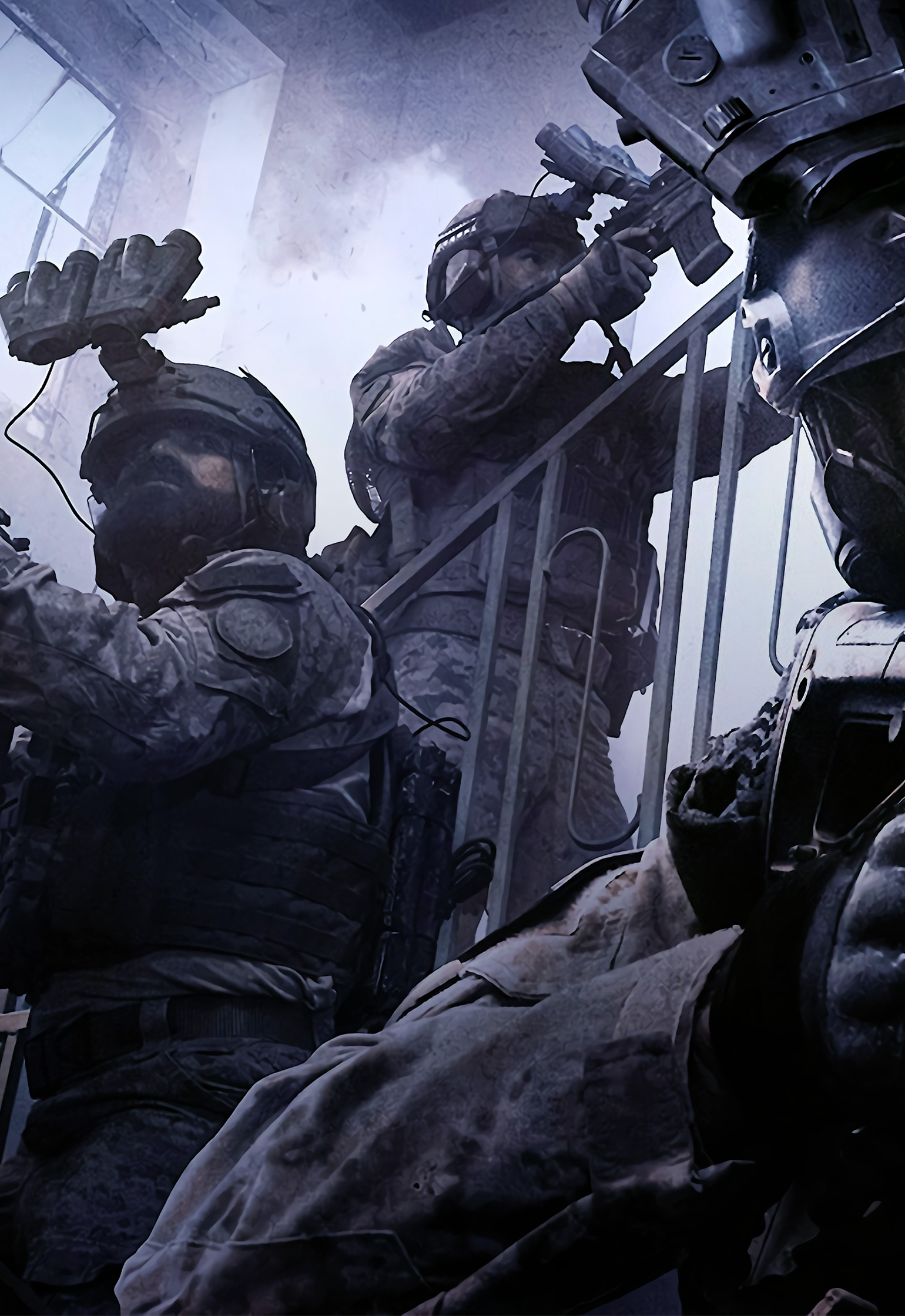




















Valor Mortis mixes challenging soulslike combat with BioShock-style action, inventive boss fights, and a versatile arsenal that rewards experimentation.

Valor Mortis combines first-person soulslike combat with a versatile arsenal, memorable bosses, and smart design choices that make experimenting a pleasure.
I expected the combat to be the weak link in Valor Mortis. Mixing soulslike mechanics with first-person action sounded appealing, but getting the weight, timing, and readability right was another matter. Instead, fighting became what kept pulling me forward. There’s real satisfaction in learning an enemy’s attacks, finding the right weapon for the situation, and finally landing the parry that had been getting you killed.
What surprised me just as much was how often the game anticipated something I wanted to do. Weapon upgrades can be changed for free, encouraging experimentation without charging admission. Hold sprint on a ladder and you’ll slide down quickly without hurting yourself. These are small decisions, but together they suggest developers who understand where challenge belongs and where convenience makes everything better.
Finally, an Arsenal I Actually Want to Use
Give players a dozen weapons and plenty of us will find one we like, upgrade it, and leave the others gathering dust. It makes sense: once you’ve found an efficient solution, switching can feel like creating extra work. Unfortunately, it can also mean spending most of a game ignoring half its mechanics.
I rarely felt that temptation in Valor Mortis, because its arsenal kept presenting useful alternatives. A grenadier becomes a much more manageable problem when a pistol shot detonates his grenade bag. Fire can achieve similarly satisfying results. For enemies hanging back at a distance, the musket essentially fills the sniper role.

Melee choices matter just as much. A slower boss gives the rapier room to shine through powerful parries, while the saber offers a better defensive option when attacks arrive faster than I can reliably deflect them. Switching feels like responding intelligently to an encounter, and the weapons are enjoyable enough that I actually want to do it.
That flexibility even helped sell me on the stealth. I’m usually happy to skip sneaking altogether, so making it optional was already a good start. Better still, encounters can shift quickly from a quiet approach into open combat. The interface lets you change equipment without interrupting that momentum, keeping stealth from feeling like a separate activity you have to finish before the fun resumes.
Dark Souls Foundations, BioShock Instincts
Valor Mortis wears its influences openly. The structure owes plenty to Dark Souls and Elden Ring, while fighting in first person with melee in one hand and a firearm or power in the other recalls BioShock. It’s an effective combination, giving familiar soulslike encounters a more immediate, up-close feel.
The underlying rules will take genre veterans about five minutes to recognize. Catalysts function as both currency and experience for leveling up. Lanterns handle checkpoints and fast travel. Healing flasks refill when you rest, which also brings regular enemies back to life while leaving defeated bosses dead. Even the inventory’s 99-item stacks feel comfortably familiar.

Areas between bosses gradually open through shortcuts, saving you from repeating the entire route whenever things go wrong. There’s nothing revolutionary about that structure, and the genre certainly isn’t short on games using it. Here, though, it supports combat with enough personality to make another trip through the formula worthwhile.
Bosses That Break Your Habits
Learning to use your equipment is only half the job. Bosses expect you to understand dodging and, especially, parrying. Ignore those fundamentals and they’ll make the lesson painfully clear. The first boss has been the hardest for me so far, putting a substantial obstacle right where I was still getting comfortable with the controls.
Thankfully, the bosses differ enough that beating one doesn’t make the next feel predictable. Their designs demand adjustments to your strategy, giving each encounter its own learning process. I appreciate a game that makes me reconsider an approach without making the tools I’ve already learned feel useless.
I wanted more from the music, though. The Christian imagery and nightmare atmosphere of Napoleonic France practically invite a grand, imposing soundtrack, but much of what I heard was unremarkable. The windmill boss was the glorious exception: its metal accompaniment briefly made me feel like I’d wandered into Doom, and I mean that as a compliment.
Verdict: 8/10
The journey can feel too linear, moving from one level to another without quite disguising the seams, and some animations are noticeably awkward. Those shortcomings are worth mentioning, but they rarely occupied my thoughts once a fight got going. On a more personal note, having no missable achievements is excellent news for completionists like me.
Valor Mortis gets the important part right: I enjoyed playing it far more than I expected. Its demanding combat gives me something to master, its arsenal keeps that process varied, and its thoughtful design makes trying a different approach easy. A little more polish and a stronger soundtrack would help, but neither is a prerequisite for having this much fun.