


















• Lootday.com logo
  • Join today to claim your daily loot
English
    • News
    • Guides
    • Gaming
      • Codes
      • League of Legends
      • Lootday
    • Creators
    • Entertainment
    • Careers
    • Lootday
    • EarlyGame+
  • Login
  • Homepage My List Settings Sign out
  • News
  • Guides
  • Gaming
    • All Gaming
    • Codes
    • League of Legends
    • Lootday
  • Creators
  • Entertainment
  • Careers
  • Lootday
  • EarlyGame+
Game selection
Kena
Gaming new
Enterianment CB
ENT new
Influencer 5229646 640
TV Shows Movies Image
TV shows Movies logo 2
Fifa stadium
Fc24
Fortnite Llama WP
Fortnite Early Game
LOL 320
Lo L Logo
Codes bg image
Codes logo
Smartphonemobile
Mobile Logo
Videos WP
Untitled 1
Cod 320
Co D logo
Rocket League
Rocket League Text
Apex 320
AP Ex Legends Logo
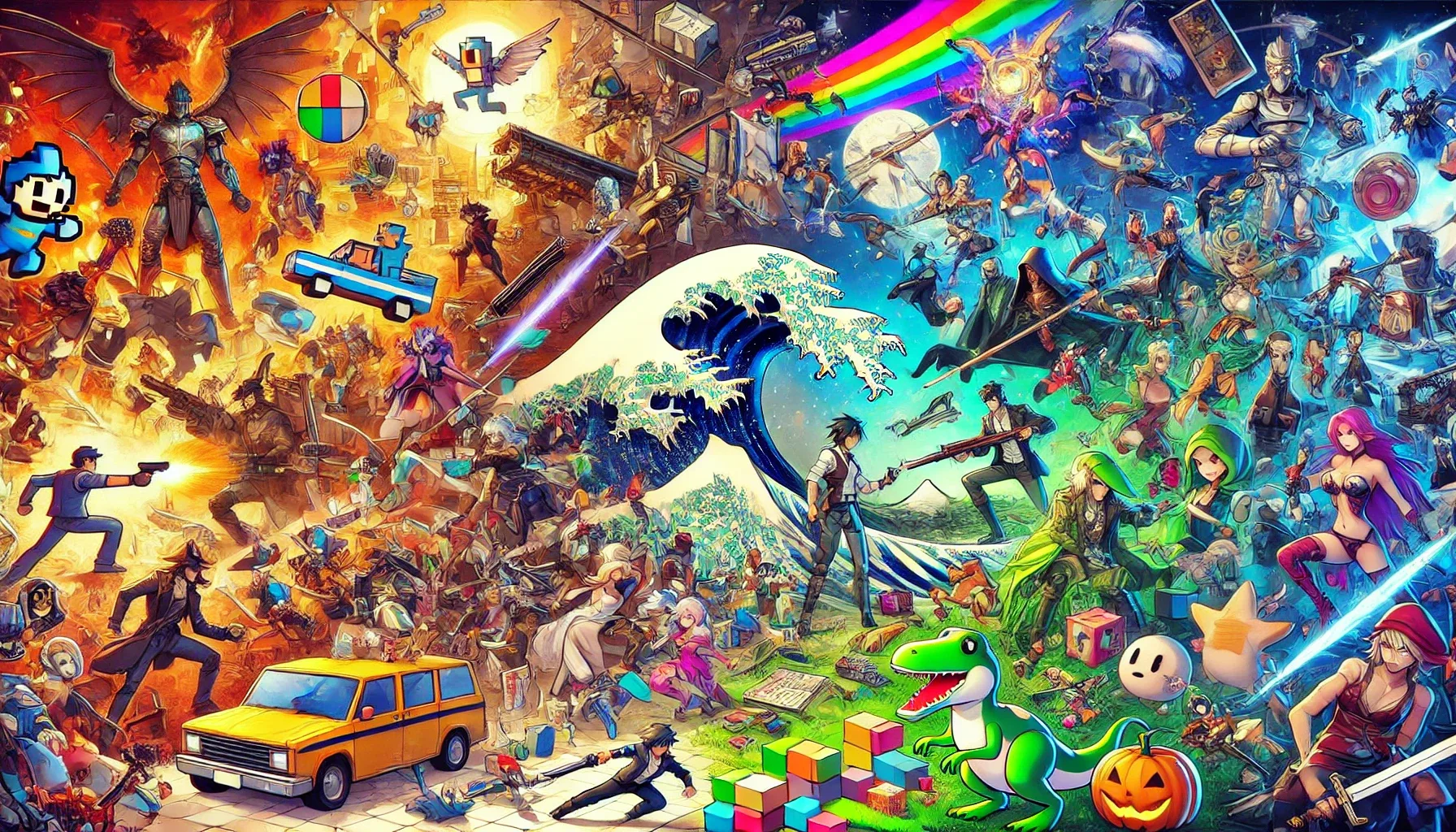
DALL E 2024 09 17 17 03 06 A vibrant collage image that showcases various art styles from different video games all colliding together in a dynamic composition Include element
Logo
Logo copy
GALLERIES 17 09 2024
News 320 jinx
News logo
Lootday bg
Guides
More EarlyGame
Logo copy

Galleries

Lootday bg

lootday

News

News

Codes bg image

Codes

Razer blackhsark v2 review im test

Giveaways

  • Copyright 2026 © eSports Media GmbH®
  • Privacy Policy
  • Impressum and Disclaimer
 Logo
English
  • English
  • German
  • Spanish
  • EarlyGame india
  • Homepage
  • Gaming

Top 50 Video Game Franchises of All Time

1-50

Ignacio Weil Ignacio Weil
Gaming - September 16th 2026, 20:30 GMT+2
Monster Hunter Wilds

50. Monster Hunter (2004)

Monster Hunter turned preparation into part of the adventure rather than the boring work before it. Learning a creature’s habits, choosing the right equipment, and cooking a decent meal can matter as much as swinging a sword the size of a refrigerator. Once considered a niche obsession outside Japan, the franchise eventually became one of Capcom’s largest global successes. It made patience heroic and grinding with friends feel like a weekend ritual. | © Capcom

Cropped Uncharted

49. Uncharted (2007)

Nathan Drake spends most of Uncharted surviving events that would leave an ordinary person as a stain on an ancient wall. That cheerful disregard for physics became part of the appeal, supported by sharp dialogue, cinematic pacing, and extraordinary set pieces. Naughty Dog found a convincing middle ground between playable adventure and blockbuster spectacle. Climbing, puzzles, gunfights, and collapsing architecture rarely fit together this smoothly—or look this expensive while doing it. | © Naughty Dog

Doom eternal msn

48. DOOM (1993)

DOOM did not invent the first-person shooter, but it gave the genre its loudest possible introduction. Fast movement, ingenious maps, demonic imagery, and a thriving modding community helped turn id Software’s creation into a pillar of PC gaming. Its modern revival worked because nobody tried to make the Doom Slayer subtle or emotionally available. The assignment remains beautifully clear: enter Hell, find a shotgun, and ruin Satan’s afternoon. | © id Software

Cropped Battlefield

47. Battlefield (2002)

Battlefield sells the fantasy of organized warfare, then drops players into matches where a jeep may fall from the sky without explanation. Large maps, combined-arms combat, destructible environments, and class-based teamwork distinguished the series from more tightly scripted military shooters. At its peak, every battle generated stories that no campaign writer could have planned. Heroism and complete incompetence frequently occurred within the same ten seconds, sometimes courtesy of the same player. | © EA DICE

Cropped Tony Hawks Pro Skater

46. Tony Hawk's Pro Skater (1999)

A generation discovered punk music, skateboarding terminology, and an unhealthy need to collect floating letters through Tony Hawk’s Pro Skater. Neversoft’s responsive controls made basic tricks accessible while leaving an enormous skill ceiling for players chasing absurd combos. Schools, warehouses, and airports became playgrounds where gravity was treated as a polite suggestion. Even after uneven sequels and a disastrous remake, the original formula remained strong enough to mount a spectacular comeback. | © Neversoft

Cropped Kirby

45. Kirby (1992)

Kirby resembles a strawberry-flavored marshmallow and regularly defeats entities capable of swallowing reality. That contrast captures the franchise perfectly: welcoming platforming on the surface, wonderfully strange cosmic nonsense underneath. Copy abilities make enemies into potential toys, allowing younger players to experiment without stripping away variety for experienced fans. Nintendo has larger mascots, but Kirby remains its most dependable source of comfort—assuming nobody stops to investigate the terrifying implications of his digestive system. | © HAL Laboratory

Cropped Wolfenstein

44. Wolfenstein (1981)

Long before shooters became gaming’s dominant genre, Wolfenstein was already experimenting with stealth, mazes, and escaping Nazi strongholds. Its later transformation into a first-person action series helped establish conventions that countless developers would follow. MachineGames eventually found unexpected emotional depth in B.J. Blazkowicz without abandoning the franchise’s pulpy excess. The central appeal, however, requires no scholarly interpretation: terrible fascists meet increasingly unreasonable weapons, and nobody mourns the ammunition. | © id Software

Cropped Gran Turismo

43. Gran Turismo (1997)

Kazunori Yamauchi approached automobiles with the reverence normally reserved for fine art, and Gran Turismo asked players to do the same. Its enormous garages, convincing handling, meticulous presentation, and dreaded license tests brought a new seriousness to console racing. Each vehicle felt less like a disposable selection and more like machinery worth understanding. The franchise also became a recurring showcase for PlayStation hardware, proving that admiring reflections on a polished hood could qualify as entertainment. | © Polyphony Digital

Cropped Borderlands

42. Borderlands (2009)

Borderlands combined cooperative shooting with randomized loot before that marriage became an industry-wide fixation. Pandora’s comic-book presentation, deranged inhabitants, and seemingly bottomless supply of firearms gave the series an identity louder than a bandit with a megaphone. Its sense of humor has never pleased everyone, and later installments occasionally mistook constant talking for constant comedy. Still, the basic loop remains dangerously effective: shoot enemies, compare guns, and immediately forget what sunlight looks like. | © Gearbox Software

Quake

41. Quake (1996)

Quake pulled first-person shooters into fully three-dimensional spaces and immediately began testing how quickly players could fly through them. Rocket jumping, aggressive movement, online competition, gothic machinery, and Trent Reznor’s unnerving soundscape gave the original a personality entirely its own. Its technology proved just as influential as its monsters, powering games and educating modders for years. Modern esports and 3D action owe a substantial debt to this grim corridor full of angry polygons. | © id Software

Cropped Hitman

40. Hitman (2000)

Agent 47 may be the world’s most conspicuous bald man, yet a borrowed uniform apparently renders him invisible. Accepting that joke unlocks the brilliance of Hitman, where lavish locations operate as elaborate assassination puzzles. Players can study routines, exploit accidents, improvise disasters, or ignore elegance and leave behind a small national emergency. IO Interactive perfected the formula by trusting curiosity, making failure entertaining, and recognizing that a rubber duck can be deadlier than military hardware. | © IO Interactive

Cropped Crash Bandicoot

39. Crash Bandicoot (1996)

PlayStation needed a mascot, and Crash arrived spinning through crates with eyebrows raised like he already knew the marketing plan. Naughty Dog’s trilogy presented colorful levels from shifting perspectives, mixing cartoon spectacle with platforming far stricter than its cheerful appearance suggested. Running toward the camera while a boulder gave chase produced a special flavor of panic. The bandicoot’s long absence only strengthened his following, eventually turning a revival into something close to a homecoming. | © Naughty Dog

Cropped Need for Speed

38. Need for Speed (1994)

Consistency has never been Need for Speed’s strongest quality, but reinvention certainly has. The franchise has moved through exotic supercars, police pursuits, track racing, tuner culture, open worlds, and stories featuring actors trying heroically to sound serious beside customized Hondas. Entries such as Hot Pursuit and Underground captured distinct automotive fantasies with remarkable confidence. When the series finds its lane, nobody makes illegal speed feel quite as glossy, reckless, or immediately inviting. | © Electronic Arts

Dragon age

37. Dragon Age (2009)

Most fantasy heroes defeat evil and receive applause; Dragon Age heroes defeat evil and inherit several new political crises. BioWare filled Thedas with competing religions, wounded cultures, moral compromises, and companions willing to challenge the player’s decisions. Each installment has approached combat and exploration differently, sometimes dividing its own audience in the process. The connective tissue is conversation: campfire confessions, ideological arguments, ill-advised romances, and choices guaranteed to upset at least one beloved party member. | © BioWare

Cropped The Sims

36. The Sims (2000)

Saving humanity sounds important, but The Sims understands that choosing wallpaper and getting someone to use the bathroom can feel equally urgent. Maxis created a life simulator that doubles as a dollhouse, architecture program, social experiment, and accidental torture chamber. Players arrived to manage careers and relationships, then spent three hours adjusting a kitchen. Beneath the absurdity sits a remarkably flexible storytelling system, capable of producing domestic triumph, generational drama, or another suspicious pool-related tragedy. | © Maxis

Cropped Gears of War

35. Gears of War (2006)

Everything in Gears of War appears carved from concrete, including the soldiers. That exaggerated weight gave the franchise a distinctive combat rhythm: dive into cover, time an active reload, and introduce subterranean monsters to a chainsaw bayonet. Its influence helped make chest-high walls unavoidable during the following console generation. Underneath the testosterone and industrial grime, however, sat a surprisingly sincere story about friendship, sacrifice, and soldiers attempting to laugh while their world collapsed. | © Epic Games

Cropped Yakuza

34. Yakuza/Like a Dragon (2005)

Like a Dragon, formerly marketed internationally as Yakuza, can stage an operatic betrayal and a chicken-management minigame without suffering tonal whiplash. Its heroes navigate organized crime, chosen families, and rapidly escalating conspiracies across dense Japanese districts packed with distractions. Kazuma Kiryu became iconic because immense physical strength never erased his compassion or magnificent social awkwardness. The franchise’s willingness to be sincere, ridiculous, and brutally dramatic at once is not confusion; it is the entire magic trick. | © Ryu Ga Gotoku Studio

Diablo II 2000 cropped processed by imagy

33. Diablo (1996)

The operating principle behind Diablo is suspiciously simple: click monster, collect object, discover that object is slightly better than previous object. Blizzard surrounded that compulsion with gothic atmosphere, tactile combat, flexible character builds, and the looming possibility of an extraordinary loot drop. The result helped define the action RPG and influenced decades of imitators. Sanctuary may be a miserable place filled with demons and eternal suffering, but players keep returning because those boots have excellent statistics. | © Blizzard Entertainment

Cropped Mass Effect

32. Mass Effect (2007)

BioWare promised an entire galaxy in Mass Effect, but the Normandy’s crew became the reason players fought to save it. Commander Shepard’s choices carried across three games, allowing relationships, loyalties, and mistakes to follow players on an unusually personal journey. The original trilogy combined military science fiction with political intrigue and more conversations about alien romance than anyone anticipated. Its destination remains debated; the voyage, full of extraordinary companions and impossible decisions, is much harder to dismiss. | © BioWare

Cropped Tekken

31. Tekken (1994)

The Mishima family could have tried counseling, but repeatedly throwing relatives from cliffs and into volcanoes proved more marketable. Behind Tekken’s spectacularly unhealthy family history lies a sophisticated 3D fighting system built around movement, spacing, punishment, and extensive move lists. Its fighters range from martial artists to robots, bears, and a professional wrestler who communicates through jaguar noises. Somehow, that chaos has remained mechanically serious enough to anchor tournaments and emotionally silly enough to remain approachable. | © Bandai Namco Entertainment

Cropped Animal Crossing

30. Animal Crossing (2001)

Animal Crossing rejects heroic urgency in favor of fishing, decorating, debt, and conversations with neighbors who happen to be animals. Its clock keeps moving when the console is off, turning each village into a place that appears to exist without constant supervision. That gentle routine became especially powerful whenever real life felt overwhelming. Nintendo found drama in missed birthdays and turnip prices, proving that a game does not need a villain when Tom Nook has already presented the mortgage. | © Nintendo

Cropped Donkey Kong

29. Donkey Kong (1981)

Donkey Kong began as Mario’s barrel-throwing enemy before becoming the necktie-wearing hero of his own platforming dynasty. Donkey Kong Country reinvented him with pre-rendered visuals, rhythmic level design, mine-cart panic, and one of gaming’s richest soundtracks. Later entries preserved the satisfying weight behind every roll, jump, and ground pound. The franchise has changed identities repeatedly, but smashing through a carefully arranged line of barrels still activates an uncomplicated and deeply primal corner of the brain. | © Nintendo

Cropped Starcraft

28. StarCraft (1998)

Terran adaptability, Zerg aggression, and Protoss precision gave StarCraft three factions that felt fundamentally different without destroying competitive balance. Blizzard’s campaign supplied betrayal, tragedy, and memorable science-fiction characters, while multiplayer transformed the franchise into an esports institution—particularly in South Korea. Matches reward strategy but demand frightening mechanical speed, making professional play resemble competitive piano performed during an alien invasion. Its releases have been limited, yet its influence on real-time strategy remains almost impossible to overstate. | © Blizzard Entertainment

Half Life

27. Half-Life (1998)

Gordon Freeman arrived for an ordinary day at work and accidentally changed first-person shooters forever. Half-Life placed storytelling inside the playable world, allowing disasters, conversations, and scripted events to unfold without constantly removing control. Its sequel expanded that ambition through physics, expressive characters, and the oppressive beauty of City 17. Valve has released remarkably little compared with the franchise’s influence, which explains why three remains the most emotionally complicated number in PC gaming. | © Valve

Cropped Age of Empires

26. Age of Empires (1997)

History becomes considerably less respectable inside Age of Empires. Civilizations advance through centuries in minutes, villagers work without labor protections, and entire military campaigns collapse because someone forgot to build another house. Ensemble Studios balanced accessibility with intricate economies and tactical warfare, giving PC players a strategy series that rewards planning without draining away personality. It also ensured that monks chanting “wololo” would occupy permanent space in gaming culture—an achievement no conventional history textbook can claim. | © Ensemble Studios

Cropped Persona

25. Persona (1996)

Most RPG heroes prepare for battle by buying weapons; Persona protagonists also need to study, work part-time, and remember a friend’s birthday. The series combines dungeon crawling with a social calendar, making everyday relationships central to both its storytelling and progression. Stylish interfaces, infectious music, and explorations of identity helped the franchise escape its spin-off origins and become an Atlus flagship. Saving humanity matters, naturally, but so does performing well on Tuesday’s chemistry exam. | © Atlus

Silent Hill MSN

24. Silent Hill (1999)

The monsters in Silent Hill rarely exist merely to chase the player; they expose guilt, grief, repression, and other wounds considerably harder to shoot. Fog concealed technical limitations in the original game and became one of horror’s most recognizable visual devices. At its best, the franchise pairs vulnerable characters with sound design that makes an empty room feel diseased. Plenty of horror games deliver effective shocks. Silent Hill leaves players wondering what the nightmare was trying to say about them. | © Konami

Cropped FIFA

23. FIFA/EA Sports FC (1993)

For millions of players, a new football season traditionally arrived with updated squads, disputed ratings, and another copy of FIFA. Licensed clubs and recognizable presentation helped the series dominate, but local rivalries gave it cultural staying power. Matches could transform a quiet living room into a hostile stadium through one deflection or badly timed tackle. The FIFA name eventually departed, yet EA’s football series continues under EA Sports FC, carrying decades of habits and grudges with it. | © EA Sports

Cropped Warcraft

22. Warcraft (1994)

Warcraft began as a real-time strategy conflict between humans and orcs before expanding into a fantasy universe capable of consuming entire social lives. Azeroth’s factions, heroes, villains, raids, and endless political reversals turned lore into a communal experience shared by millions. World of Warcraft did not invent the MMORPG, but it made the genre a mainstream phenomenon. Careers changed, friendships formed, and countless dinners went cold because the guild needed one more healer. | © Blizzard Entertainment

God of war

21. God of War (2005)

Kratos originally solved Greek mythology by shouting at it and applying enormous blades. Those early God of War games delivered spectacular violence, colossal bosses, and an antihero too furious to recognize the damage trailing behind him. The Norse revival did not erase that history—it forced an older Kratos to live with it while raising his son, Atreus. Few franchises have matured so convincingly without surrendering the brutal combat and cinematic scale that made them famous. | © Santa Monica Studio

Fallout

20. Fallout (1997)

Fallout imagines the future through the cracked lens of 1950s optimism, surrounding cheerful advertising with radiation, mutants, and spectacularly bad government planning. The original RPGs emphasized choice and dark humor, while later entries transformed the wasteland into an enormous first-person playground. Vaults, factions, moral compromises, and retrofuturistic technology give the franchise an identity nobody could mistake for another post-apocalypse. Even opening a refrigerator can uncover a tragedy, a joke, or twelve bottle caps. | © Bethesda Game Studios

Cropped Skyrim

19. The Elder Scrolls (1994)

The Elder Scrolls offers epic destinies, ancient prophecies, and the freedom to ignore both while stealing tableware. Bethesda’s open worlds became famous for their scale, dense lore, flexible character building, and occasional bugs that somehow graduate into cherished memories. Morrowind, Oblivion, and Skyrim each approached fantasy exploration differently, but all trusted players to wander. The franchise’s greatest achievement may be making a random cave feel more urgent than the literal end of the world. | © Bethesda Game Studios

Cropped Mortal Kombat

18. Mortal Kombat (1992)

An arcade cabinet dripping with digital blood was enough to make Mortal Kombat irresistible to children and alarming to politicians. Fatalities provided the scandal, but distinctive fighters, elaborate mythology, and an escalating taste for anatomical absurdity built the franchise. Its controversy contributed to the creation of the American video game rating system, giving it influence far beyond fighting mechanics. Decades later, “Finish Him” still promises a conclusion that will not respect ordinary medical science. | © Midway Games

Cropped Tomb Raider

17. Tomb Raider (1996)

Lara Croft became a global celebrity while 3D action games were still learning how knees should bend. The original Tomb Raider emphasized lonely exploration, environmental puzzles, acrobatics, and ancient spaces that felt enormous despite severe technical limits. Later reboots transformed Lara from an untouchable adventurer into a vulnerable survivor, giving the franchise several distinct identities. Through every version, the fantasy remains potent: discover a forbidden place, disturb it, and escape as the architecture collapses. | © Core Design

Cropped Mega Man

16. Mega Man (1987)

Defeat a Robot Master, claim its weapon, and use that weapon against another boss: Mega Man built an empire from one wonderfully elegant loop. Precise platforming, colorful enemies, selectable stages, and superb music made the Blue Bomber a defining Capcom hero. Numerous subseries later introduced cyber futures, role-playing systems, and enough timelines to frighten a historian. Whatever the setting, players can rely on disappearing blocks to arrive precisely when their patience is weakest. | © Capcom

Cropped Castlevania

15. Castlevania (1986)

Dracula owns an impressive castle and apparently renovates the entire structure between visits from the Belmont family. Early Castlevania games demanded careful movement, disciplined attacks, and acceptance that staircases were natural predators. Symphony of the Night later traded linear progression for exploration and RPG systems, helping inspire the “Metroidvania” label. Gothic art, magnificent music, and generations of monster hunters have kept the franchise alive even during long stretches when Konami seemed determined to bury it. | © Konami

Super Metroid

14. Metroid (1986)

Isolation is not an empty space in Metroid; it is the atmosphere. Samus Aran explores hostile planets with little guidance, slowly gaining abilities that transform inaccessible barriers into invitations. Super Metroid helped define nonlinear action-platforming, while Metroid Prime translated its exploration into first person without losing the original mood. Players do not simply unlock doors—they develop a new understanding of the environment, then return with enough missiles to settle every previous disagreement. | © Nintendo

Cropped Metal Gear

13. Metal Gear (1987)

Metal Gear can discuss nuclear deterrence, genetic destiny, surveillance, and the military-industrial complex before asking the player to hide inside a cardboard box. Hideo Kojima fused stealth systems with cinematic storytelling, political anxiety, fourth-wall tricks, and gloriously excessive dialogue. Solid Snake became a hero defined as much by restraint as firepower, encouraging players to study patrols rather than erase them. The plots often border on delirium, yet their warnings about technology have aged uncomfortably well. | © Konami

GTA V

12. Grand Theft Auto (1997)

Grand Theft Auto turned open worlds into places where players could follow a dramatic crime story or ignore it completely to create a six-star catastrophe. The jump into 3D transformed the franchise, while San Andreas, GTA IV, and GTA V kept expanding its ambition, satire, and cultural reach. Few series have influenced modern game design—or attracted public outrage—with such consistency. Its cities feel less like maps than criminal playgrounds waiting for one terrible decision. | © Rockstar Games

Assassins Creed Unity

11. Assassin's Creed (2007)

Assassin’s Creed discovered that historical landmarks become considerably more attractive when players are allowed to climb them. The franchise mixes parkour, stealth, conspiracy fiction, and recreated eras stretching from the Crusades to feudal Japan. Its formula has expanded, contracted, and mutated into full-scale RPG territory depending on the installment. Even at its most bloated, the series offers a seductive promise unavailable in textbooks: history can be explored from the rooftops, preferably after pushing a guard into some hay. | © Ubisoft

Cropped The Witcher

10. The Witcher (2007)

Geralt of Rivia entered gaming as an established literary character and eventually became the face of one of its most acclaimed RPG series. The Witcher builds fantasy from prejudice, war, folklore, political maneuvering, and contracts involving creatures with unpleasant eating habits. Its choices rarely divide neatly between heroism and villainy; the consequences usually arrive later with a knife. The Witcher 3 elevated the franchise through an open world where even minor errands could become memorable tragedies. | © CD Projekt Red

Cropped Dark Souls 1

9. Dark Souls (2009)

Dark Souls treats failure as instruction, although its lessons are frequently delivered by an armored giant swinging a tree. Deliberate combat, interconnected environments, cryptic storytelling, and meaningful exploration made Lordran feel hostile but rarely arbitrary. Players learned to read animations, manage stamina, and accept that greed would kill them again. Its influence became so widespread that “Soulslike” now describes an entire design tradition, often while ignoring how much melancholy, curiosity, and strange humor accompanied the difficulty. | © FromSoftware

Cropped Resident Evil

8. Resident Evil (1996)

A remote mansion, scarce ammunition, awkward dialogue, and one remarkably resilient pharmaceutical company launched Resident Evil. Capcom has repeatedly rebuilt the series, moving from fixed-camera survival horror to explosive action and later to intimate first-person terror. Those shifts should have shattered its identity, yet zombies, elaborate puzzles, body horror, and shameless camp continue holding everything together. Other franchises reinvent themselves to follow trends; Resident Evil has survived long enough to cycle through several trends of its own. | © Capcom

Cropped Street Fighter

7. Street Fighter (1987)

Street Fighter II did more than improve its predecessor—it established the language competitive fighting games still speak. Special inputs, character matchups, combos, zoning, and psychological warfare transformed arcade matches into public tests of skill. Capcom has revised the formula repeatedly without disturbing its essential clarity: two fighters enter, one player mistimes a dragon punch, and an argument begins. Ryu’s Hadoken remains instantly recognizable because the franchise made mastery look difficult, desirable, and just barely attainable. | © Capcom

Cropped Halo

6. Halo (2001)

Xbox required a system seller; Halo: Combat Evolved arrived with Master Chief, a mysterious ringworld, and controls that made console shooting feel natural. Its rechargeable shields and two-weapon limit reshaped the genre, while vehicles and enemy behavior kept battles dynamic. Multiplayer carried the franchise from split-screen couches to Xbox Live, producing legendary rivalries and appalling displays of sportsmanship. The Gregorian chanting merely confirmed that shooting colorful aliens had somehow become a sacred cultural ceremony. | © Bungie

Cropped Sonic

5. Sonic the Hedgehog (1991)

Sega designed Sonic as a faster, sharper rival to Mario, and the blue hedgehog quickly became an emblem of 1990s attitude. His greatest games turn momentum into exhilaration, rewarding players who learn each level well enough to stop cautiously walking through it. The transition to 3D brought historic highs, spectacular lows, and more experiments than quality control could reasonably supervise. Sonic survives because speed, bright landscapes, excellent music, and cheerful chaos remain a powerful combination. | © Sega

Cropped Final Fantasy

4. Final Fantasy (1987)

Most long-running franchises preserve a hero or setting; Final Fantasy frequently discards both and starts another apocalypse from scratch. Crystals, summons, airships, emotional catastrophes, and beautifully dressed villains create continuity across otherwise independent worlds. Square Enix has repeatedly redesigned its combat, from turn-based parties to real-time spectacle, accepting the arguments each transformation brings. That restless ambition produces uneven results, but it also keeps the series capable of surprise nearly four decades into its impossible-to-explain existence. | © Square Enix

Cropped Pokemon

3. Pokémon (1996)

“Catch them all” may be marketing’s most successful impossible assignment. Pokémon made collecting, battling, trading, and exploration understandable to children while hiding enough strategy underneath to support competitive communities decades later. Each player’s first starter becomes a strangely durable emotional memory, which explains why debates about imaginary creatures can become alarmingly sincere. The main games have faced justified criticism for moving cautiously, yet the central fantasy remains nearly unbeatable: build a team and travel together. | © Game Freak

Cropped Zelda

2. The Legend of Zelda (1986)

Curiosity drives The Legend of Zelda more effectively than any quest marker. Each era has reinterpreted adventure differently, from the original game’s dangerous wilderness to Ocarina of Time’s 3D foundation and Breath of the Wild’s systemic freedom. Dungeons, puzzles, music, strange characters, and carefully placed secrets make Hyrule feel familiar without becoming predictable. Link may repeatedly awaken with no equipment and questionable memories, but players always understand the assignment: choose a direction and investigate. | © Nintendo

Cropped Mario

1. Super Mario (1985)

Super Mario occupies first place because Nintendo has used it to redefine platforming more than once. Super Mario Bros. helped establish the grammar of side-scrolling games, Super Mario 64 taught an industry how movement worked in 3D, and later entries continued treating every new mechanic as a toy. Mario himself needs little complexity; jumping is his personality. The remarkable part is that after decades of kingdoms, galaxies, and pipes, controlling him can still produce immediate joy. | © Nintendo

1-50

A single brilliant game can define a generation, but building a franchise that remains relevant for decades is a far tougher achievement. These series changed how we play, introduced characters recognized far beyond gaming, and survived everything from console wars to disastrous sequels. Ranking them means weighing quality, influence, longevity, and the number of childhood arguments they started. Only 50 can make the cut, and nostalgia will not be enough to secure the top spot.

  • Facebook X Reddit WhatsApp Copy URL

A single brilliant game can define a generation, but building a franchise that remains relevant for decades is a far tougher achievement. These series changed how we play, introduced characters recognized far beyond gaming, and survived everything from console wars to disastrous sequels. Ranking them means weighing quality, influence, longevity, and the number of childhood arguments they started. Only 50 can make the cut, and nostalgia will not be enough to secure the top spot.

Related News

More
Cropped The Fanatic 2019
TV Shows & Movies
15 Movies You Knew Were Trash in 10 Minutes
Dawn of the Planet of the Apes 2014
Entertainment
15 Movies Set in the Very Near Future
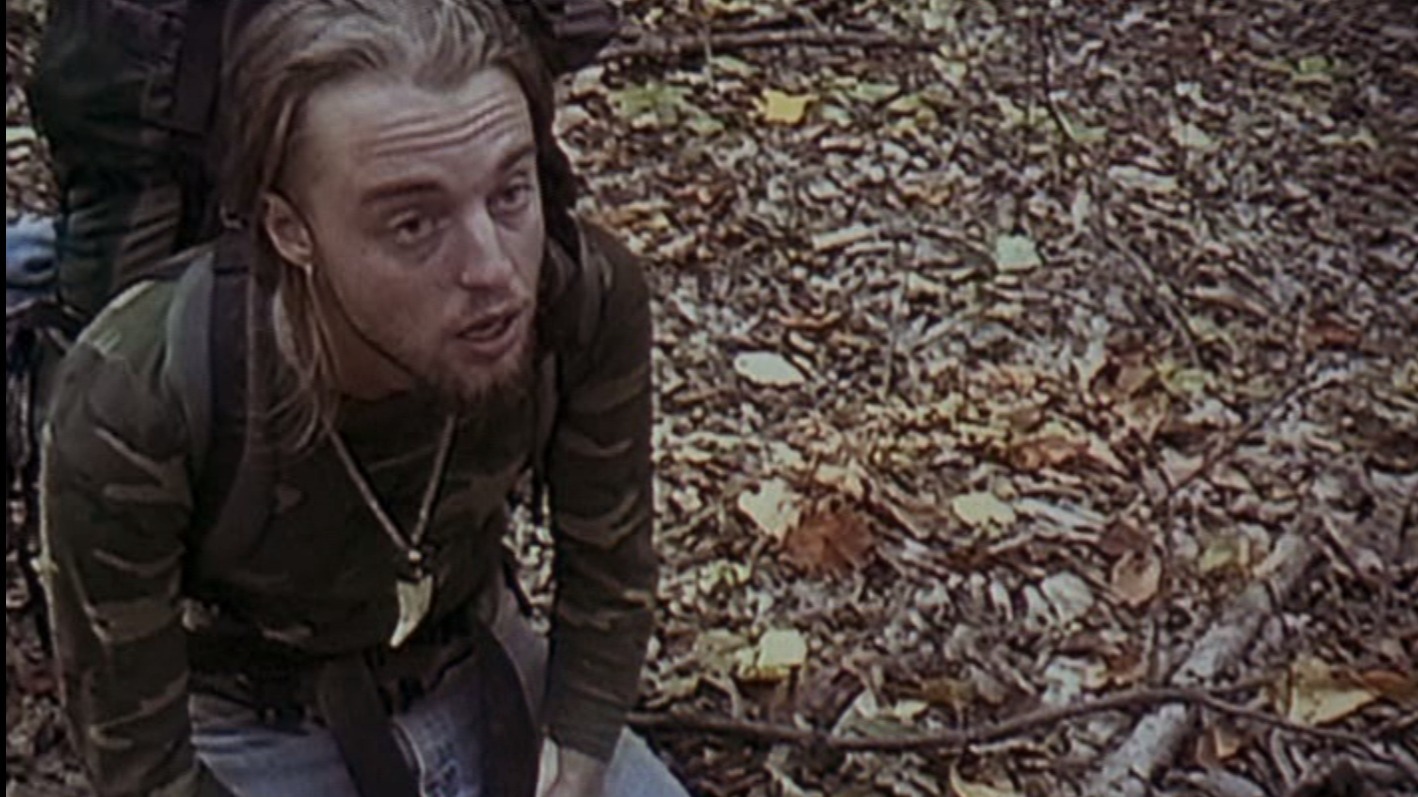
Cropped The Blair Witch Project
TV Shows & Movies
You Can’t Call Yourself a Horror Fan if You Haven’t Watched These 15 Movies
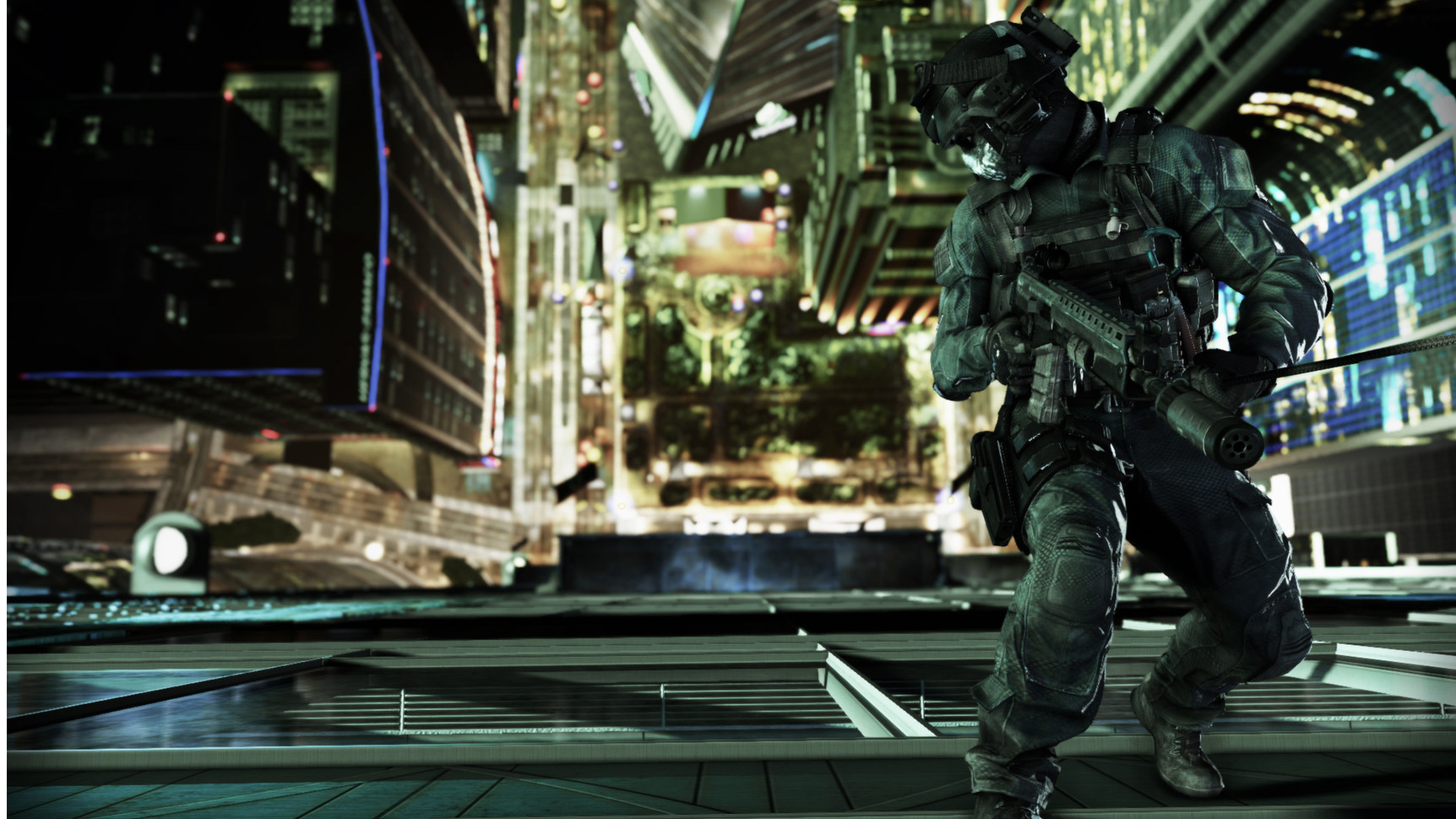
Call of Duty Ghosts 2013 cropped processed by imagy
Gaming
15 Video Games That Really Are As Bad As People Say
Lootday article thumbnail g
Lootday
Lootday For Casual Players: Which Tasks Are Actually Realistic?
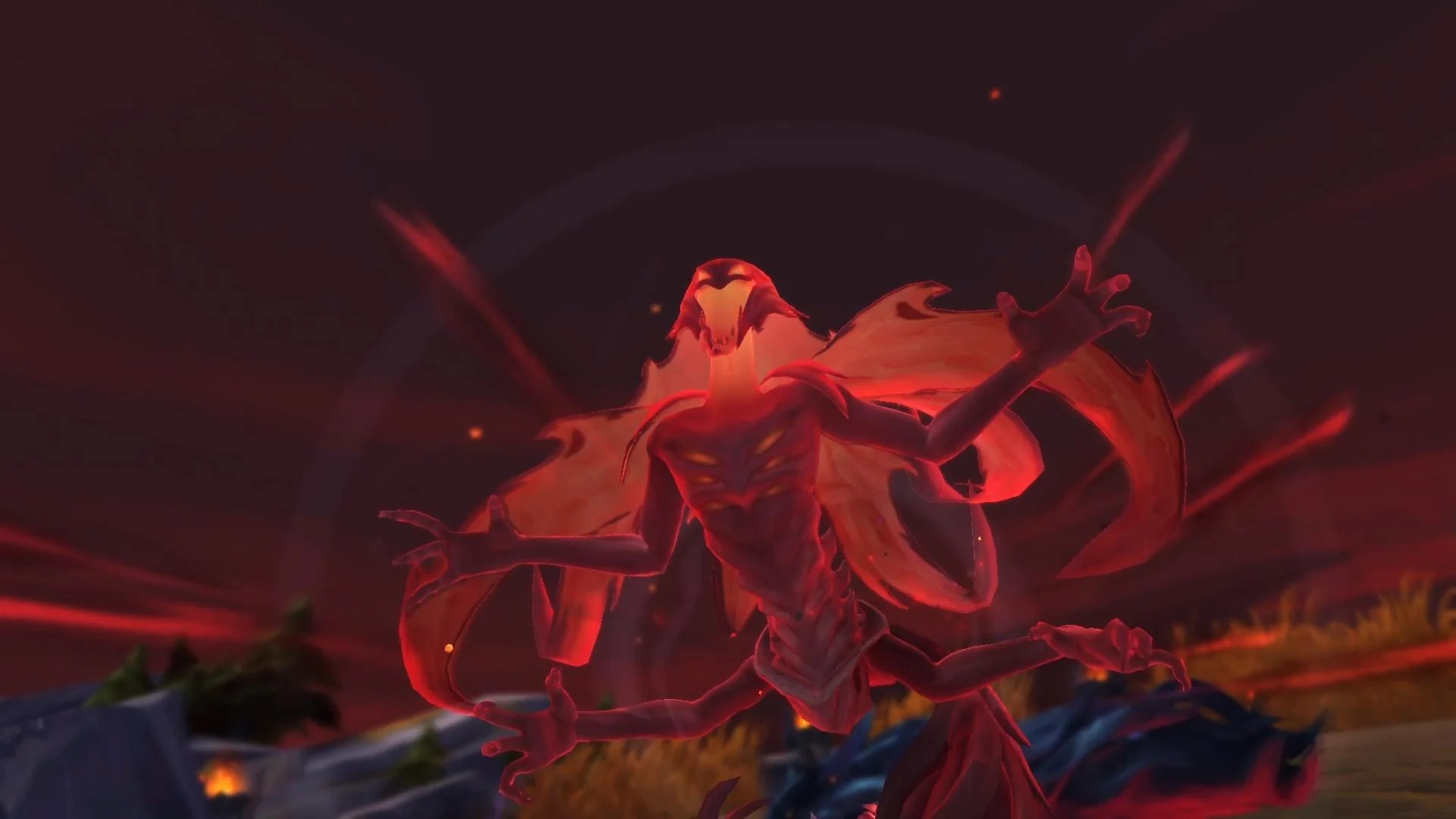
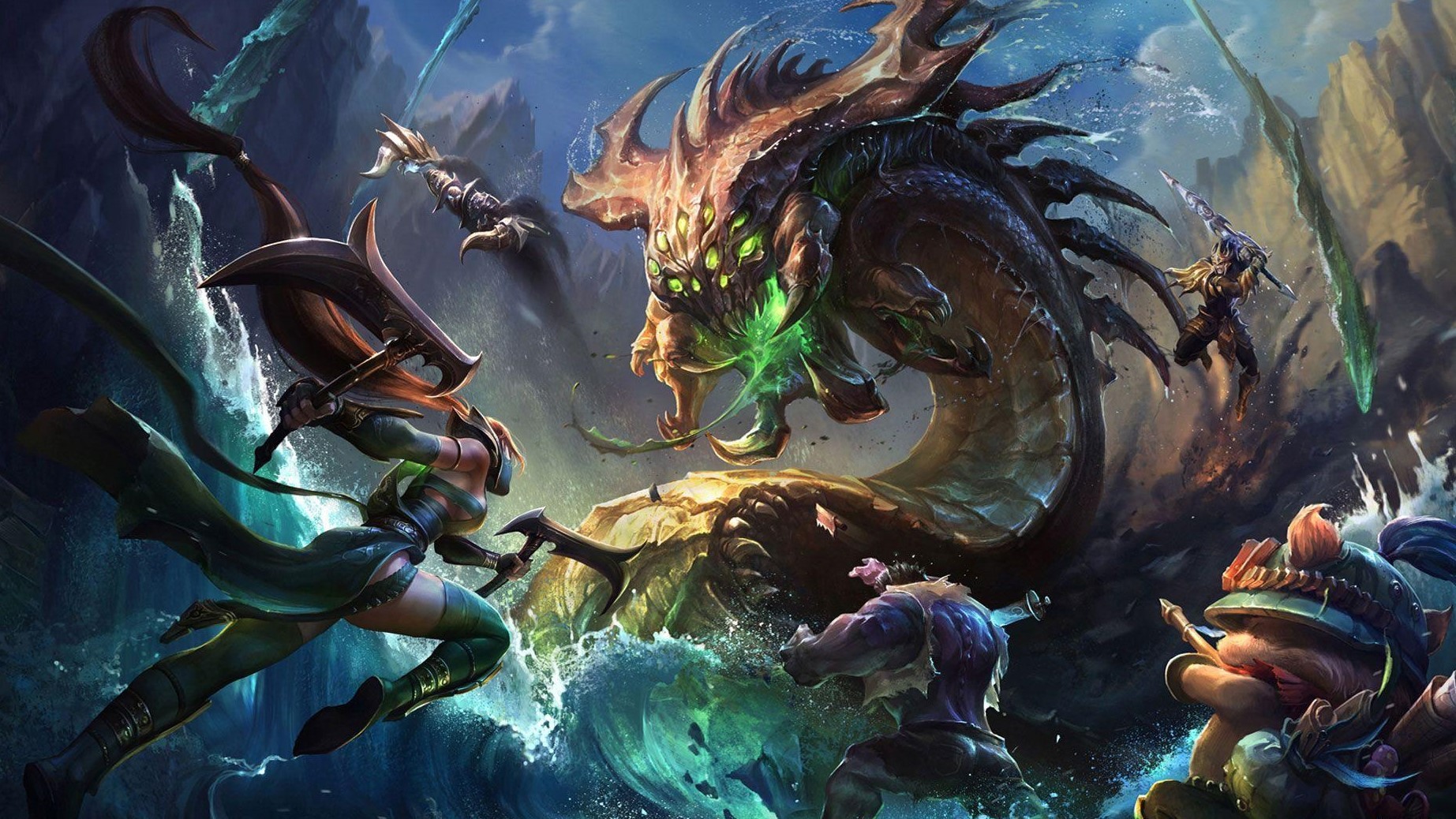
Atakhan League
League of Legends
Atakhan In League: What Went Wrong With Riot’s Big Objective Experiment?
Anna Kendrick Pitch Perfect 3
Entertainment
15 Times Actors Refused to Film Scenes
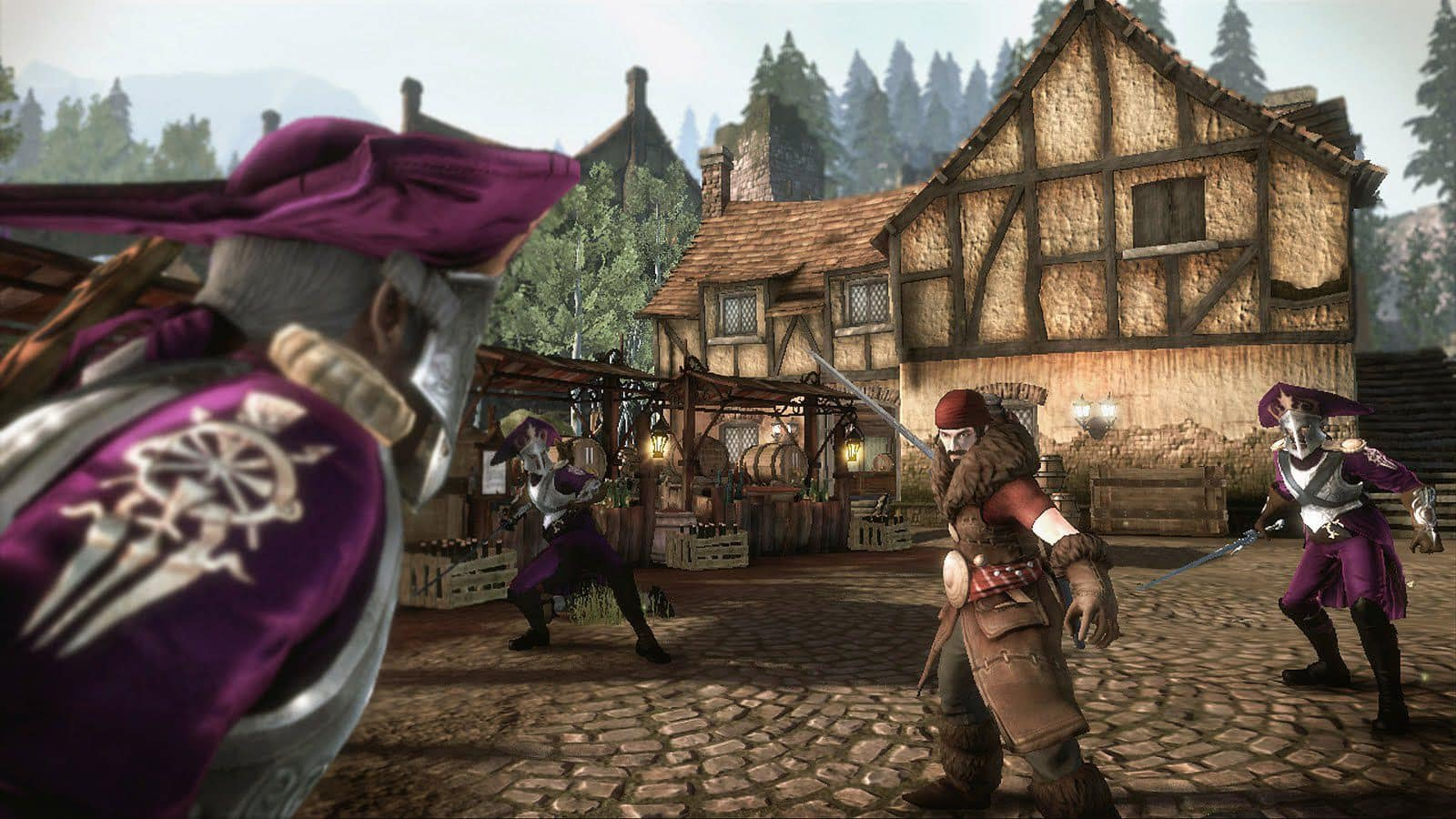
Fable III
Gaming
15 Video Games That Are Better Than You Remember
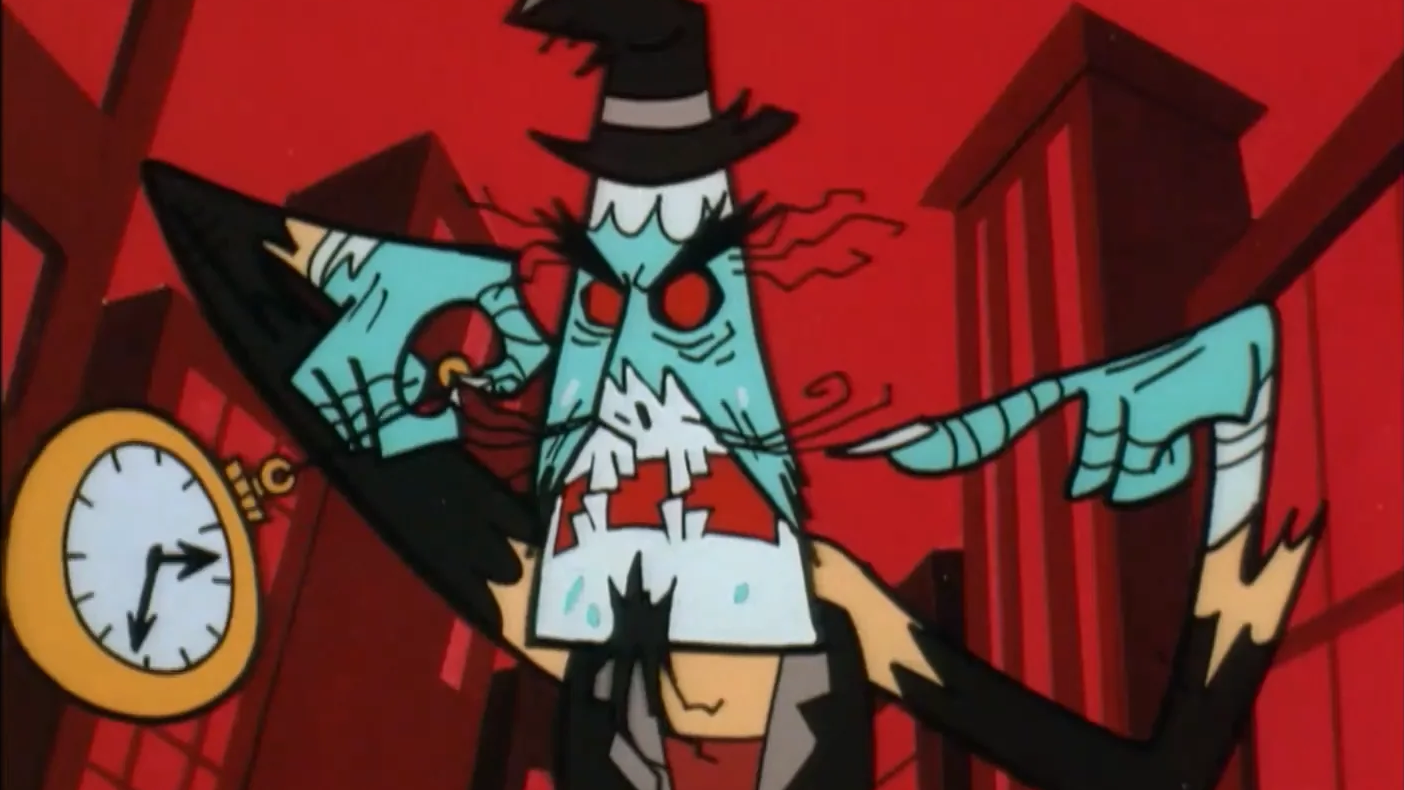
Abracadaver The Powerpuff Girls
Entertainment
Top 14 Creepiest Episodes in Kids’ Shows That Traumatized Us
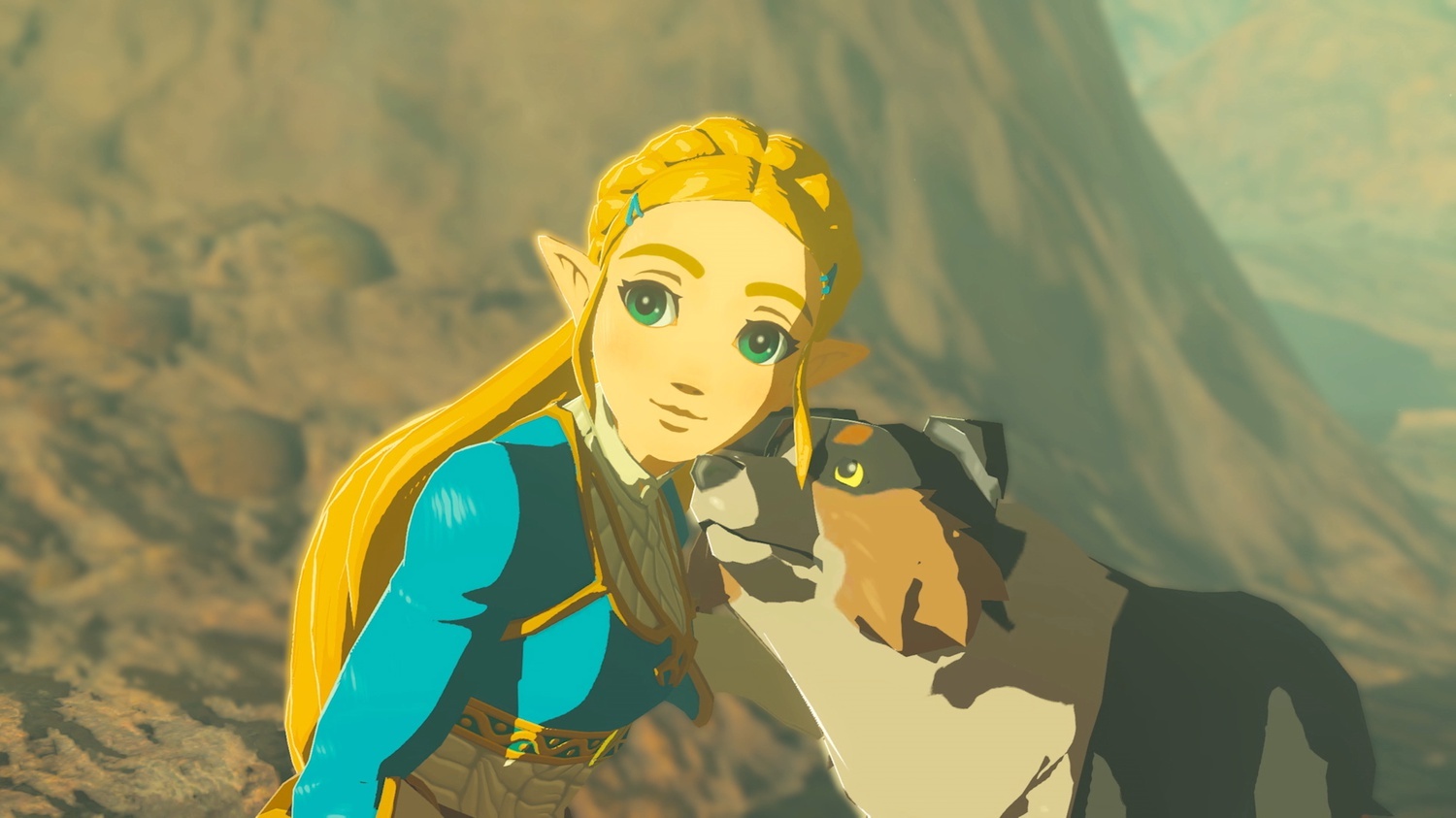
The Legend of Zelda Breath of the Wild
Gaming
15 Video Games That Borrowed Ideas From Completely Different Genres
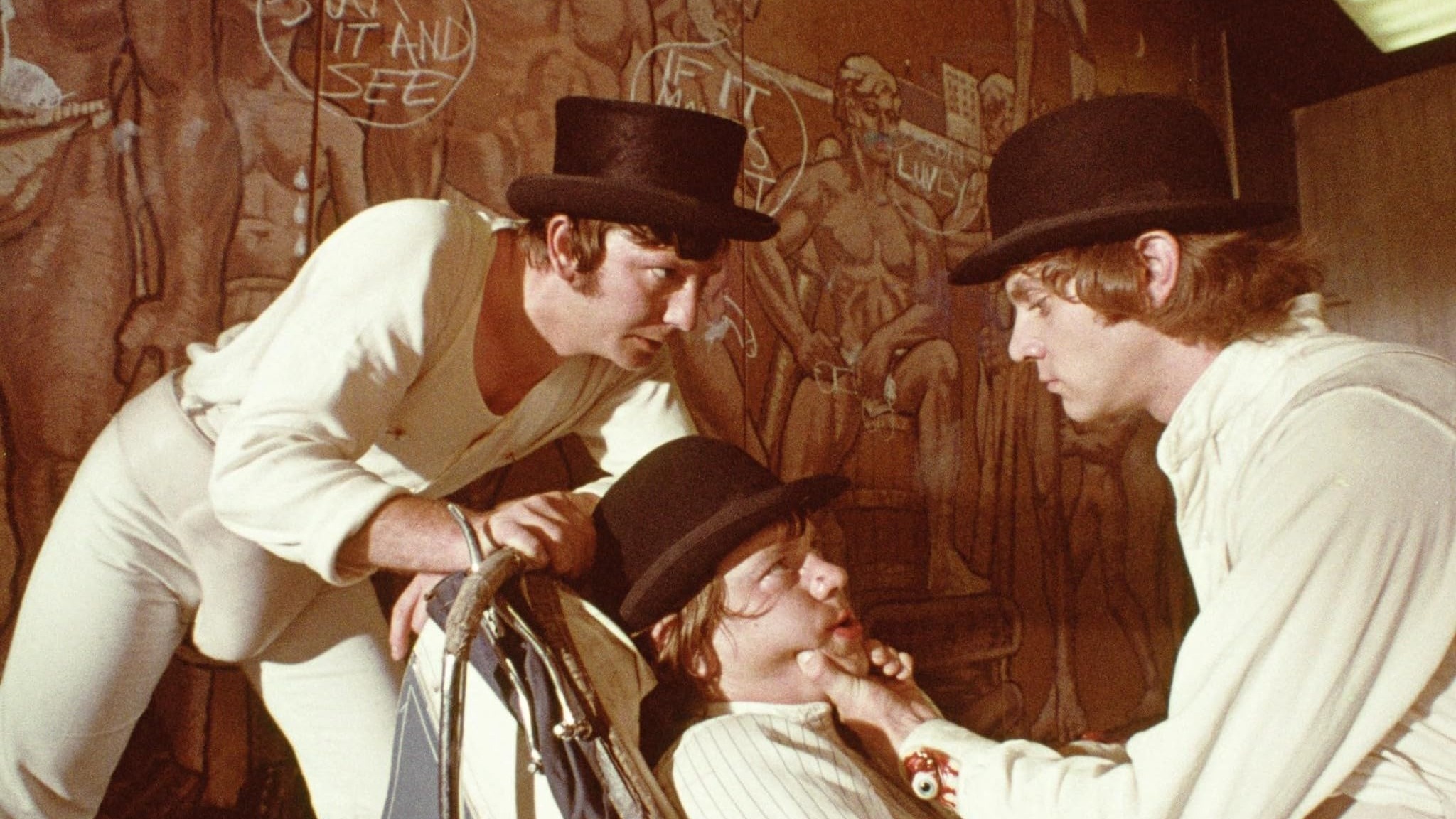
Cropped A Clockwork Orange
TV Shows & Movies
15 Classic Movies That Were Much Darker Than You Remember
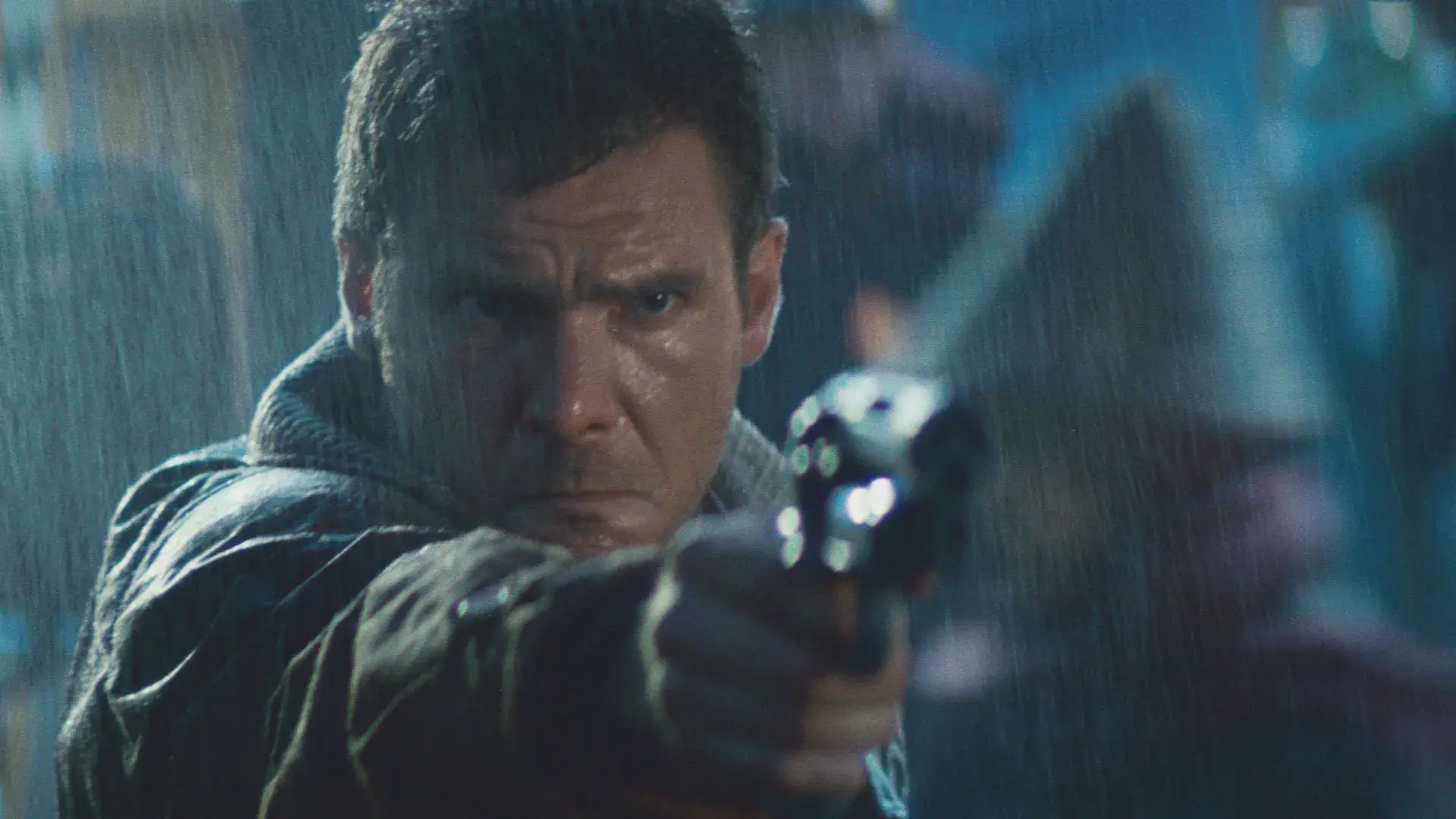
Blade Runner
TV Shows & Movies
15 Movies That Became Famous for Reasons Nobody Expected
  • All Gaming
  • Videos
  • News
  • Home

Subscribe to our Newsletter

Sign up for selected EarlyGame highlights, opinions and much more

About Us

Discover the world of esports and video games. Stay up to date with news, opinion, tips, tricks and reviews.
More insights about us? Click here!

Links

  • Affiliate Links
  • Privacy Policy
  • Impressum and Disclaimer
  • Advertising Policy
  • Our Editorial Policy
  • About Us
  • Authors
  • Ownership

Partners

  • Kicker Logo
  • Efg esl logo
  • Euronics logo
  • Porsche logo
  • Razer logo

Charity Partner

  • Laureus sport for good horizontal logo

Games

  • Gaming
  • Entertainment
  • Creators
  • TV Shows & Movies
  • EA FC
  • Fortnite
  • League of Legends
  • Codes
  • Mobile Gaming
  • Videos
  • Call of Duty
  • Rocket League
  • APEX
  • Reviews
  • Galleries
  • News
  • Your Future
  • Lootday
  • Guides

Links

  • Affiliate Links
  • Privacy Policy
  • Impressum and Disclaimer
  • Advertising Policy
  • Our Editorial Policy
  • About Us
  • Authors
  • Ownership
  • Copyright 2026 © eSports Media GmbH®
  • Privacy Policy
  • Impressum and Disclaimer
  • Update Privacy Settings
English
English
  • English
  • German
  • Spanish
  • EarlyGame india